
.png "Best Places to Visit in Vietnam: 15 Must-See Destinations by Region")
Best Places to Visit in Vietnam: 15 Must-See Destinations by Region
Stretching over 3,000 km from the northern mountains to the southern Mekong Delta, Vietnam packs a surprising range of experiences into one trip. This guide to the best places to visit in Vietnam covers 15 top destinations across the north, center and south, with the best time to go, how long to stay, and how to combine them into an itinerary that fits your time and style. Whether it is your first visit or your fifth, you will find a clear way to decide where to go. Explore more with Viet Aurora Travel.
Best Places to Visit in Vietnam at a Glance
Vietnam is long and varied, so the best places depend on how much time you have and what you enjoy. Use the tables below to narrow your choices in a minute, then jump to the sections that matter to you.
Top 10 Places Quick List
|
Destination |
Region | Best for | Suggested stay |
|---|---|---|---|
| Hanoi | North | Culture, food, first-timers | 2–3 nights |
| Halong Bay | North | Scenery, overnight cruises | 1 night |
| Ninh Binh | North | Rivers, countryside, photography | 1–2 nights |
| Sapa | North | Trekking, rice terraces, homestays | 2 nights |
| Hue | Central | History, imperial heritage, food | 2 nights |
| Hoi An | Central | Old town, lanterns, cooking classes | 2–3 nights |
| Da Nang | Central | Beaches, Hai Van Pass | 2 nights |
| Ho Chi Minh City | South | Energy, history, street food | 2–3 nights |
| Mekong Delta | South | River life, markets, homestays | 1–2 nights |
| Phu Quoc | South | Beaches, sunsets, resorts | 3–4 nights |
Best Places by Traveler Type and Interest
| If you are… | Go to… |
|---|---|
| A first-timer | Hanoi, Halong Bay, Hoi An, Ho Chi Minh City |
| A couple | Halong Bay, Hoi An, Phu Quoc (see Vietnam Vacations for Couples) |
| Traveling with family | Hoi An, Da Nang, Nha Trang, Phu Quoc |
| A food lover | Hanoi, Hue, Hoi An, Ho Chi Minh City |
| A culture seeker | Hue, Hoi An, Hanoi (browse our Unique Culture tours) |
| An adventurer | Ha Giang, Phong Nha, Sapa (browse our Adventure Tours) |
| A beach lover | Phu Quoc, Con Dao, Nha Trang |
Hidden Gems and Smarter Alternatives to Crowded Spots
Some famous places are at their best only at certain times of day, and a few small changes can make them feel completely different.
| Popular spot | The challenge | Smarter alternative |
|---|---|---|
| Hoi An Ancient Town at midday | Heat and crowds | Go early morning or after sunset |
| Halong Bay day trip | Long transfer, many boats | Overnight cruise, or Lan Ha Bay |
| Sapa town | Busy and built-up | Stay in a village in the valley |
| Ba Na Hills and the Golden Bridge | Heavy visitor numbers | Hai Van Pass drive or Son Tra Peninsula |
| Southern Phu Quoc | Busy beaches | Quieter beaches in the north and east |
For something truly off the beaten path, consider Phu Quy, Nam Du, Co To, Mai Chau or Pu Luong. Our guide to the best islands in Vietnam covers the island options.
Best Places to Visit in Northern Vietnam
The north is Vietnam at its most traditional: a thousand-year-old capital, limestone bays and mountain villages. Spring and autumn are the most comfortable seasons, while winter can be cold and misty, and summer is hot with a risk of storms.
Hanoi
Hanoi is a lively mix of lakes, French colonial streets and temple courtyards, with food that is a reason to visit all by itself.
Top Things to Do
- Walk the Old Quarter and Hoan Kiem Lake
- Visit the Temple of Literature and the Ho Chi Minh complex
- Try a guided street food tour and egg coffee
- See a traditional water puppet show
Best Time to Visit
October to April is generally cooler and more comfortable.
Where to Stay
The Old Quarter is lively and central, while the French Quarter is calmer.
How Long to Stay & How to Get There
Allow 2 to 3 nights. International and domestic flights arrive at Noi Bai Airport. See our Hanoi page and the Complete Hanoi Travel Guide.
Day Trips from Hanoi
Ninh Binh (about 2 hours), Halong Bay (about 2.5 to 3 hours) and the pottery village of Bat Trang are all within reach.
Halong Bay and Lan Ha Bay
Thousands of limestone islands rise from emerald water, and the bay is a UNESCO World Heritage Site.
Top Things to Do
- Spend a night on a cruise
- Kayak around quiet coves
- Visit a cave such as Sung Sot
- Watch sunrise and sunset from the deck
Best Time to Visit
March to May and September to November are the most reliable months.
Where to Stay
A cruise cabin is the classic choice. Cat Ba Island is a land-based alternative.
How Long to Stay & How to Get There
At least one night, ideally on a two-day cruise. It is roughly 2.5 to 3 hours by road from Hanoi. See our Halong Bay page.
Day Trip vs Overnight Cruise
A day trip from Hanoi spends much of the day on the road. An overnight cruise lets you enjoy the bay at its quietest, at dawn and dusk. Lan Ha Bay usually has fewer boats.
Ninh Binh
Often called “Halong Bay on land,” Ninh Binh combines karst peaks, rivers and rice fields in a quieter countryside setting.
Top Things to Do
- Take a small boat through Trang An or Tam Coc
- Climb to a viewpoint such as Hang Mua
- Cycle between villages
- Visit Bai Dinh Pagoda
Best Time to Visit
Late spring and early autumn, when the fields are golden or green.
Where to Stay
A homestay or boutique stay near Tam Coc lets you enjoy quiet evenings.
How Long to Stay & How to Get There
One to two nights. It is about 2 hours by road from Hanoi.
Ninh Binh vs Halong Bay
Choose Ninh Binh for countryside, cycling and river rides. Choose Halong Bay for sea views and a night on the water. Many travelers include both.
Sapa
Sapa is known for terraced valleys and villages of ethnic minority communities, with Fansipan (about 3,143 m), the highest peak in Indochina, nearby.
Top Things to Do
- Trek through the Muong Hoa Valley
- Stay in a family homestay
- Visit villages such as Cat Cat
- Ride the Fansipan cable car
Best Time to Visit
September to October for golden terraces, and March to May for pleasant weather. Winter is cold and often foggy.
Where to Stay
A valley homestay for an authentic feel, or a hotel in town for convenience.
How Long to Stay & How to Get There
Two nights. It is roughly 5 to 6 hours by road from Hanoi, or you can take the night train. See our Sapa page.
Trekking and Homestays
Go with a local guide, dress modestly, and ask before taking photos of villagers.
Ha Giang Loop
Dramatic mountain passes, including Ma Pi Leng, and the Dong Van Karst Plateau make Ha Giang one of Vietnam’s most spectacular road journeys.
Top Things to Do
- Travel the loop through Quan Ba, Yen Minh, Dong Van and Meo Vac
- Stop at viewpoints on Ma Pi Leng Pass
- Visit the Sunday market in Dong Van
- Stay in local homestays
Best Time to Visit
September to November and March to May.
Where to Stay
Simple homestays and hotels in Dong Van and Meo Vac.
How Long to Stay & How to Get There
Three to four days for the loop. Ha Giang city is roughly 6 to 7 hours by road from Hanoi.
Is It for You?
The roads are steep and winding. If you are not an experienced rider, go by car or with a driver, and make sure your insurance covers the activity.
Best Places to Visit in Central Vietnam
Central Vietnam concentrates heritage, beaches and nature, with the weather shifting sharply by season. Dry, sunny months run roughly from February to August, while autumn brings rain, floods and storms, so choose your dates with care.
Hue
Hue was the imperial capital, and its citadel, tombs and food culture give it a calm, refined mood.
Top Things to Do
- Explore the Imperial City
- Visit royal tombs such as Khai Dinh, Minh Mang and Tu Duc
- See Thien Mu Pagoda and take a boat on the Perfume River
- Try bún bò Huế and other local dishes
Best Time to Visit
Roughly February to August.
Where to Stay
Near the Perfume River or in a garden-house hotel.
How Long to Stay & How to Get There
Two nights. Reach Hue by flight, train, or a scenic drive from Da Nang. See our Hue page.
Da Nang
Da Nang combines long city beaches, bridges and mountains within easy reach of Hoi An and Hue.
Top Things to Do
- Relax on My Khe Beach
- Visit the Marble Mountains
- See the Dragon Bridge at night
- Visit Son Tra Peninsula
Best Time to Visit
Roughly February to August.
Where to Stay
A beachfront hotel or resort.
How Long to Stay & How to Get There
Two nights. The city has its own international airport.
Hai Van Pass and Marble Mountains
The Hai Van Pass drive between Da Nang and Hue is one of Vietnam’s best coastal roads. The Marble Mountains hold caves and pagodas that are easy to visit in a morning.
Hoi An
Hoi An’s UNESCO-listed Ancient Town, lanterns, river and cafés make it one of Vietnam’s most beloved stops.
Top Things to Do
- Walk the Ancient Town early or after sunset
- Take a cooking class and have clothes tailored
- Cycle through rice fields and Tra Que village
- Spend an afternoon at An Bang Beach
Best Time to Visit
Roughly February to August. Autumn can bring flooding.
Where to Stay
Near the Ancient Town for atmosphere, or by An Bang Beach for sea time.
How Long to Stay & How to Get There
Two to three nights. It is about 45 to 60 minutes from Da Nang Airport. See our Hoi An page.
Phong Nha–Ke Bang National Park
This UNESCO World Heritage park is home to some of the world’s largest caves, including Son Doong, in forested limestone hills.
Top Things to Do
- Visit Paradise Cave and Phong Nha Cave by boat
- Try the Dark Cave for a muddier adventure
- Cycle through quiet villages
- Stay in the countryside
Best Time to Visit
Roughly February to August. Autumn rains can flood roads and caves.
Where to Stay
Homestays and small hotels in Phong Nha village.
How Long to Stay & How to Get There
Two nights. The nearest airport is Dong Hoi, and the park is also reachable from Hue by road or train.
Easy vs Adventure Cave Tours
Paradise Cave is a gentle walk, the Dark Cave is more active, and a Son Doong expedition is a multi-day trek that must be booked far in advance.
Da Lat
At altitude in the Central Highlands, Da Lat has cool air, pine forests, waterfalls and coffee farms, a very different mood from the coast.
Top Things to Do
- Visit waterfalls and a coffee farm
- See the Crazy House and French-era villas
- Hike Langbiang Mountain
- Enjoy the cool evenings and local markets
Best Time to Visit
November to March is dry and cool. The wet season runs roughly May to October.
Where to Stay
Near the center, or in a countryside villa.
How Long to Stay & How to Get There
Two to three nights. Lien Khuong Airport is roughly 30 km from the city.
Why It Feels Different from the Coast
The altitude keeps temperatures mild, which makes Da Lat a good break from the heat.
Nha Trang and Quy Nhon
Nha Trang offers a busy bay with islands and diving, while Quy Nhon is quieter, with calmer beaches.
Top Things to Do
- Take an island-hopping boat trip and snorkel near Hon Mun
- Visit the Po Nagar Cham towers
- In Quy Nhon, see Ky Co beach and Eo Gio viewpoint
Best Time to Visit
Roughly February to September.
Where to Stay
A beachfront hotel in Nha Trang, or a quiet coastal stay near Quy Nhon.
How Long to Stay & How to Get There
Two nights each. Fly into Cam Ranh for Nha Trang or Phu Cat for Quy Nhon.
Island Hopping and Diving
Choose smaller boats for a calmer day, and check sea conditions in storm season.
Best Places to Visit in Southern Vietnam
The south is energetic and flat, with big cities, river life and island beaches. The dry season runs roughly from November to April, and the wet months bring shorter afternoon downpours rather than all-day rain.
Ho Chi Minh City
Vietnam’s biggest city mixes colonial buildings, war history, modern skyscrapers and some of the best street food in the country.
Top Things to Do
- Visit the War Remnants Museum
- See Notre-Dame Cathedral and the Central Post Office
- Explore Ben Thanh Market
- Join a street food tour by scooter
Best Time to Visit
December to April.
Where to Stay
District 1 for convenience, District 3 for a quieter feel.
How Long to Stay & How to Get There
Two to three nights. Tan Son Nhat Airport is close to the center. See our Ho Chi Minh City page and Hanoi or Ho Chi Minh City for Your First Trip.
Cu Chi Tunnels and Day Trips
The Cu Chi Tunnels (roughly 1.5 to 2 hours away), the Mekong Delta and the Cao Dai temple in Tay Ninh are popular day trips.
Mekong Delta
Rivers, canals, orchards and floating markets show a slower side of southern life.
Top Things to Do
- Take a boat through the canals
- Visit the Cai Rang floating market in Can Tho in the early morning
- Cycle through orchards and villages
- Stay in a riverside homestay
Best Time to Visit
December to April for dry weather. Fruit is plentiful in the summer months.
Where to Stay
A homestay near Ben Tre, Vinh Long or Can Tho.
How Long to Stay & How to Get There
One to two nights. Ben Tre and My Tho are roughly 2 to 3 hours by road from Ho Chi Minh City, and Can Tho is further. See our Mekong Delta page.
Floating Markets and Homestays
Floating markets are best at dawn. Choose a small-scale homestay for a more personal experience.
Phu Quoc
Vietnam’s largest island combines white-sand beaches, sunsets and a wide range of resorts.
Top Things to Do
- Relax at Sao Beach and Long Beach
- Watch sunset near Dinh Cau Temple
- Ride the Hon Thom cable car
- Snorkel around the southern islands
Best Time to Visit
November to April.
Where to Stay
West-coast resorts for sunsets, or the south for calmer water.
How Long to Stay & How to Get There
Three to four nights, with direct flights from several cities. See our Phu Quoc page.
How to Combine the Best Places and Plan Your Trip
Choosing places is only half the job. Combining them smoothly, and picking the right season, decides whether a trip feels relaxed or rushed. This section gives sample routes and the practical details you need.
Sample Itineraries: 7, 10, 14 Days and 3 Weeks
A good rule is to stay at least two nights at each main stop and to avoid backtracking. Transfer times are approximate, so confirm them when booking.
7 Days
Route: Hanoi (2 nights) → Halong Bay cruise (1) → fly to Da Nang → Hoi An (3).
Best for: first-timers with limited time. See our 7 Days Vietnam Itinerary: The Perfect Luxury Escape and the 9-Day Vietnam Highlights Tour.
10 Days
Route: Hanoi (2) → Ninh Binh (1) → Halong Bay cruise (1) → Hue (2) → Hoi An (3).
Best for: a balanced first trip. See Viet Nam Essential 10 Days 9 Nights.
14 Days
Route: Hanoi (2) → Halong Bay (1) → Ninh Binh (1) → Hue (2) → Hoi An (3) → Phu Quoc (4).
Best for: a full trip with a beach finish. See The Best of Vietnam Tour and Highly and Relaxing Vietnam.
3 Weeks
Route: Hanoi (2) → Sapa (2) → Halong Bay (1) → Ninh Binh (1) → Hue (2) → Hoi An (3) → Da Lat (2) → Ho Chi Minh City (2) → Mekong Delta (1) → Phu Quoc (4).
Best for: slow travelers who want north, center and south. For a shorter route that combines cities and the beach, see the Ultimate Vietnam Experience in 11 Days, or explore the Discover Northern Vietnam: Hanoi, Sa Pa and Ha Long Bay tour if you prefer to stay in the north.
Best Time to Visit Each Region
Vietnam has three climate zones, so there is no single best month. These ranges are approximate and vary by year.
| Region | Best months | Watch out for |
|---|---|---|
| North (Hanoi, Halong Bay, Ninh Binh, Sapa, Ha Giang) | March to May, September to November | Cold, misty winters; hot, stormy summers |
| Central (Hue, Da Nang, Hoi An, Phong Nha, Nha Trang) | February to August | Autumn rain, floods and typhoons |
| Central Highlands (Da Lat) | November to March | Wet season, roughly May to October |
| South (Ho Chi Minh City, Mekong Delta, Phu Quoc) | November to April | Wet season, roughly May to October |
| Month | Good places to be |
|---|---|
| December to January | Ho Chi Minh City, Mekong Delta, Phu Quoc, Da Lat |
| February to April | Hoi An, Da Nang, Hue, Hanoi, Ninh Binh, Halong Bay |
| May to August | Central coast beaches, Con Dao, Sapa (green terraces) |
| September to October | Hanoi, Sapa, Ha Giang (autumn colors) |
| November | Northern cities, southern beaches as the dry season starts |
Tet (Lunar New Year) usually falls in late January or February. It is a wonderful time to experience local culture, but expect higher prices and some closures. For more help, read our Vietnam Travel Guide.
Getting Around, Budget, Visa and Etiquette
A little planning on logistics and local habits makes the whole trip smoother.
Getting Around Vietnam
Domestic flights are the fastest way to cover long distances. Trains are scenic on the central coast, and private cars suit short legs and sightseeing. Leave a buffer around flights, especially in storm season.
Budget and Costs
Costs vary a lot by season, region and style. Phu Quoc and Hoi An are typically pricier than Hue or the Mekong. See our Vietnam Travel Costs and Budget guide for a breakdown.
Visa, Health and Insurance
Check the current entry and visa rules for your nationality before booking, as they can change. Travel insurance that covers cancellations and medical care is recommended.
Etiquette and Safety
Dress modestly at temples, keep public affection discreet, and ask before photographing people. Read more in our guide to Customs and Etiquette in Vietnam.
FAQs and Plan Your Trip with Viet Aurora Travel
These are the questions travelers ask most often, followed by the easiest way to turn your shortlist into a real plan.
Frequently Asked Questions
What is the best place to visit in Vietnam for first-timers?
Start with Hanoi, Halong Bay and Hoi An. They cover culture, scenery and food, and are well connected by flights.
How many days do I need?
Seven days covers a short highlights route, 10 days is a good balance, and 14 days lets you add a beach or a second region.
Which is better, north or south?
Neither is better. The north offers scenery and traditional culture, the center has heritage and beaches, and the south has cities, river life and islands. Many travelers combine all three.
What are the best places to visit in winter and in summer?
In winter, head south to Ho Chi Minh City, the Mekong Delta, Phu Quoc and Da Lat. In summer, central beaches such as Da Nang and Hoi An are at their best, though storms are possible in the north.
Which places are least crowded?
Ha Giang, Phong Nha, Phu Quy, Nam Du, Co To and Pu Luong see fewer visitors than the main hubs.
Do I need a tour, or can I travel independently?
You can do either. A guided or private tour simplifies transfers, cruises and flights, especially for remote places, while independent travel offers more freedom. More answers are on our FAQs page.
Plan Your Trip with Viet Aurora Travel
Choosing from 15 destinations can feel overwhelming, so here are three easy starting points. Browse all of our tours, or look at our Highlight Tours and Luxury Tours.
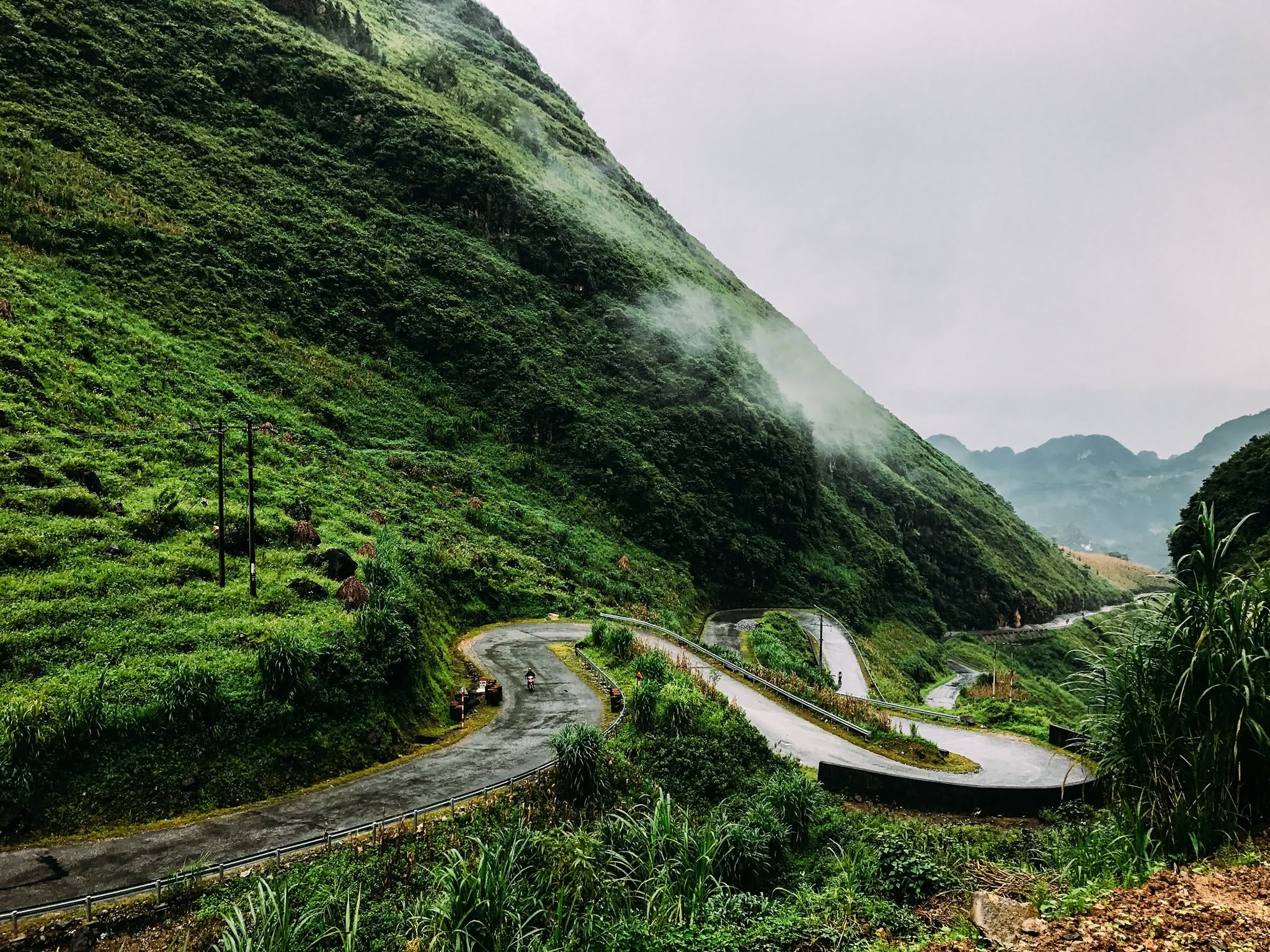
Ha Giang Loop: Vietnam's Ultimate Road Trip Adventure
Discover the Ha Giang Loop, Vietnam's most spectacular road trip. Explore Ma Pi Leng Pass, Dong Van, Nho Que River, and ethnic minority villages with our complete travel guide.
Lorem ipsum dolor sit amet, consectetur adipiscing elit. Mauris lobortis, nonimper diet est. Praesent vulputate at enim sit amet mattis.

10 Traditional Ethnic Markets in Vietnam for an Authentic Cultural Experience
Discover the top 10 ethnic markets in Vietnam, from Bac Ha to Meo Vac, where colorful traditions, local culture, and authentic mountain life come together.

Why Vietnam Should Be on Your 2026 Travel List
Vietnam Travel Guide 2026: Everything You Need to Know Before You Go
Vietnam has become one of the most exciting destinations in Southeast Asia, attracting millions of international visitors each year. Known for its breathtaking landscapes, rich cultural heritage, delicious cuisine, welcoming locals, and affordable travel costs, Vietnam offers unforgettable experiences for every type of traveler.
Whether you're planning your first trip or returning to explore more of this fascinating country, this Vietnam Travel Guide 2026 covers everything you need to know before you go.
Why Visit Vietnam in 2026?
Vietnam offers an incredible combination of natural beauty, vibrant cities, ancient history, and authentic cultural experiences. From the emerald waters of Ha Long Bay to the lantern-lit streets of Hoi An and the tropical beaches of Phu Quoc, travelers can enjoy a wide variety of experiences within a single journey.
Reasons to visit Vietnam in 2026:
Stunning UNESCO World Heritage Sites
World-famous Vietnamese cuisine
Luxury travel at affordable prices
Beautiful beaches and islands
Authentic cultural experiences
Friendly and welcoming locals
Easy connections with Cambodia, Laos, and Thailand
Vietnam is also one of the best-value destinations in Asia, making it ideal for couples, families, solo travelers, and luxury seekers alike.

20 Vietnam Bucket List Experiences You Must Try in 2026
Discover 20 unforgettable Vietnam bucket list experiences, from cruising Ha Long Bay and conquering the Ha Giang Loop to exploring Hoi An, Sapa, and Phu Quoc.
Vietnam is a country of extraordinary contrasts, where ancient traditions blend seamlessly with modern life, and breathtaking natural landscapes meet vibrant cities. Whether you're a first-time visitor or a seasoned traveler, Vietnam offers countless experiences that deserve a place on your travel bucket list.
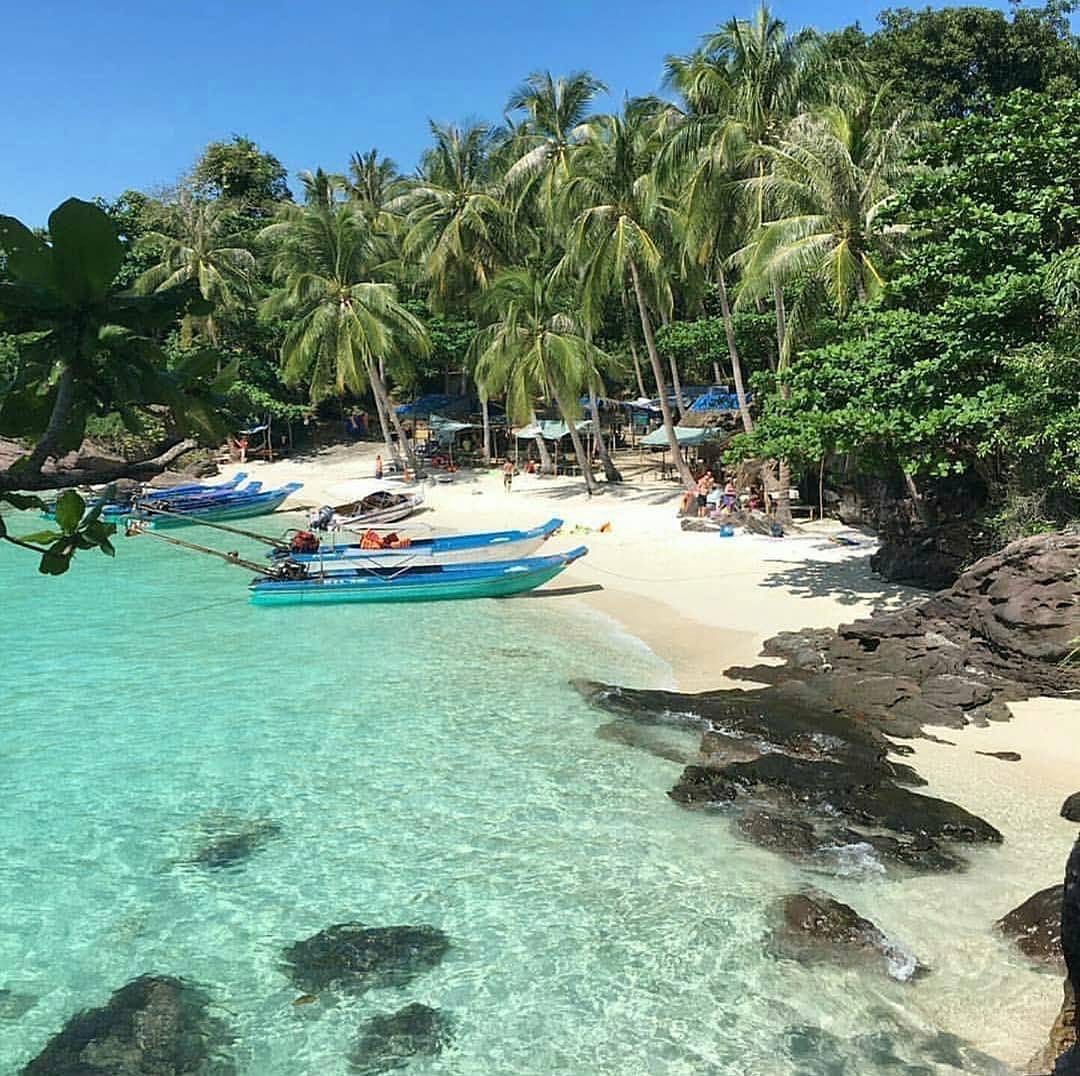
Phu Quoc Island -The Perfect Beach Escape in Vietnam
Discover Phu Quoc Island, Vietnam's tropical paradise. Explore the best beaches, attractions, luxury resorts, island tours, and travel tips in this complete Phu Quoc Travel Guide.
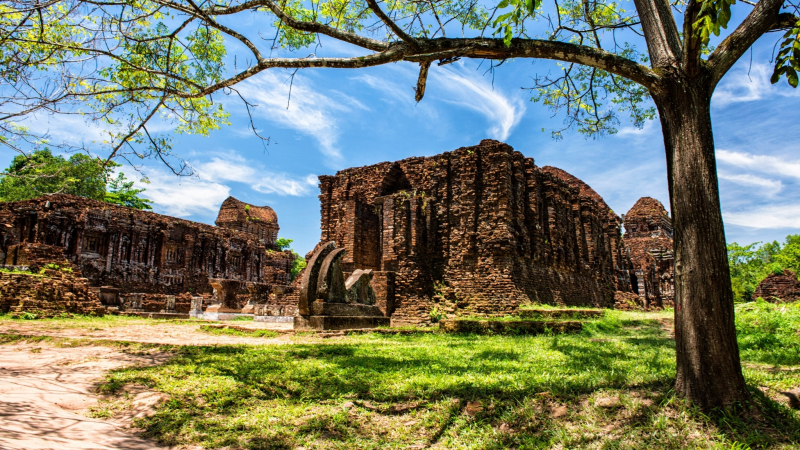
Explore Southeast Asia: Private Tours Across Vietnam, Cambodia, Laos and Thailand
Discover the best Southeast Asia tours featuring Vietnam, Cambodia, Laos, and Thailand. Explore top destinations, travel itineraries, cultural experiences, and expert travel tips.
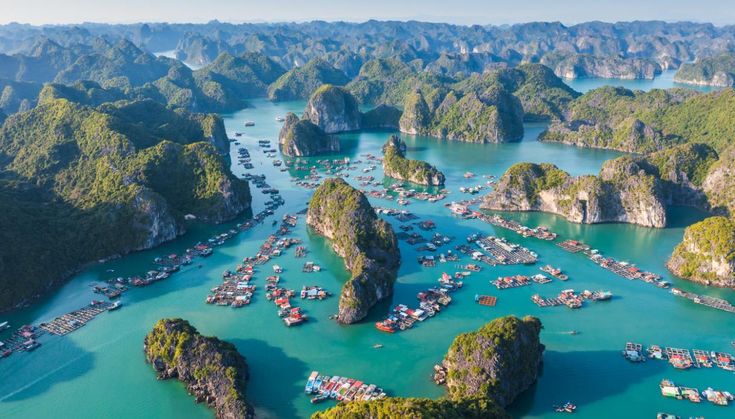
Top Luxury Halong Bay Cruises for an Unforgettable Experience
Discover the top Ha long Bay cruises, from luxury overnight cruises to family-friendly experiences
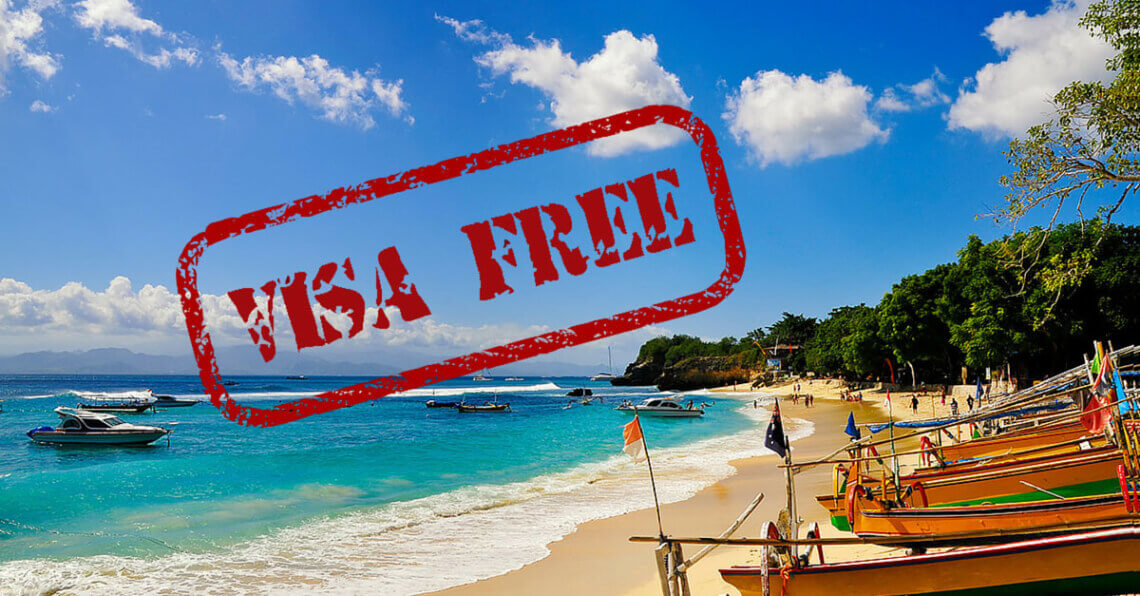
Phu Quoc Visa Exemption: 30-Day Visa-Free Entry for International Travelers
International travelers holding foreign passports can visit Phu Quoc Island visa-free for up to 30 days
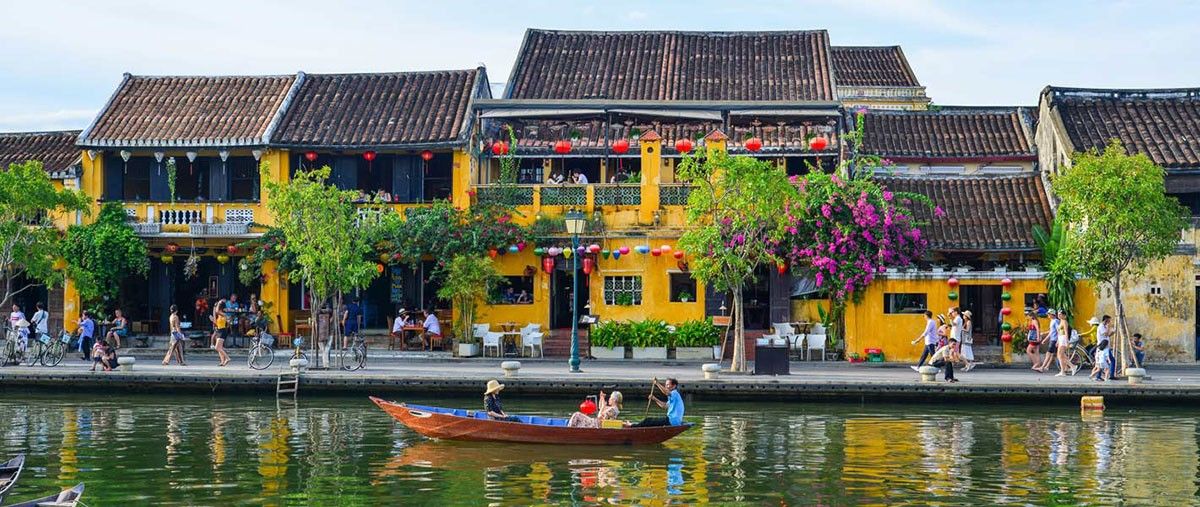
Hoi An Ancient Town: A UNESCO World Heritage Site and Model of Cultural Preservation
Since being listed as a UNESCO World Heritage Site in 1999, Hoi An has successfully balanced cultural preservation and tourism development
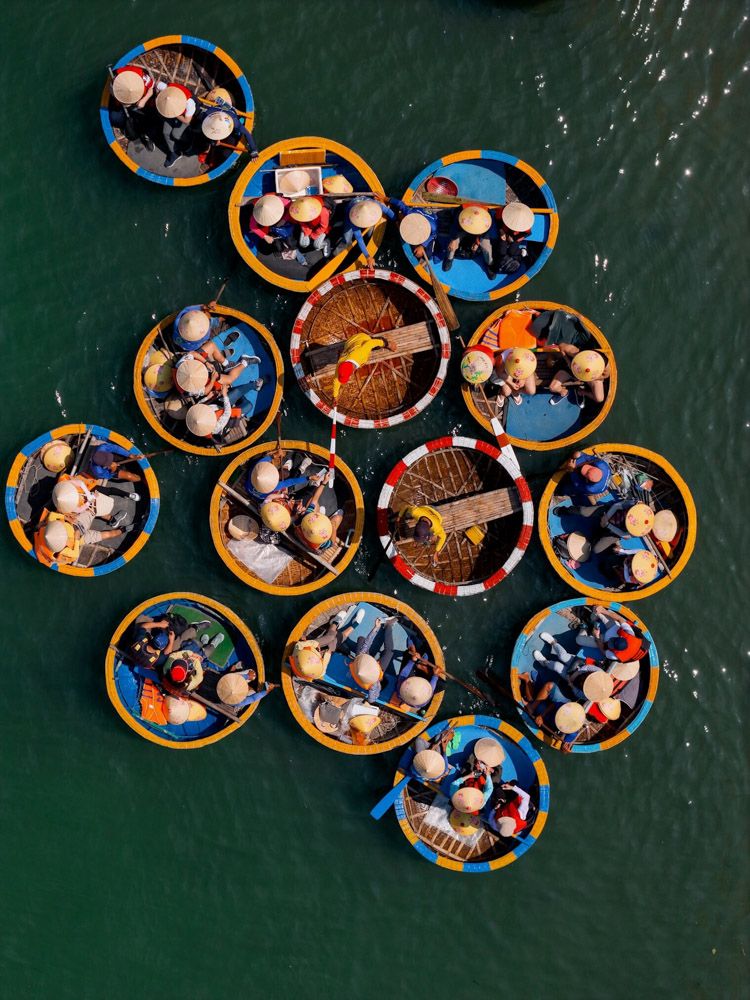
Three Vietnamese destinations among Asia’s top attractions: Tripadvisor
Hoi An Ancient Town, War Remnants Museum, and Cu Chi Tunnels have been ranked among Asia’s top at
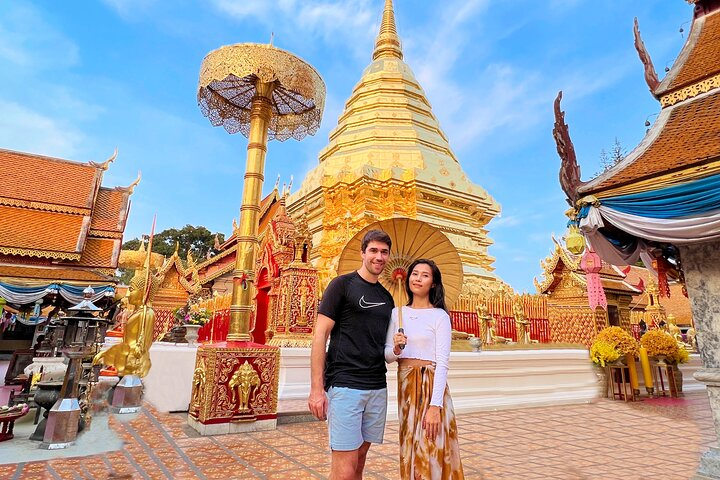
Thailand: The Destination That Keeps Winning Travelers’ Hearts
From breathtaking landscapes and vibrant culture to delicious food and exceptional hospitality, Thailand offers an unforgettable travel experience that keeps attracting millions of visitors year after year
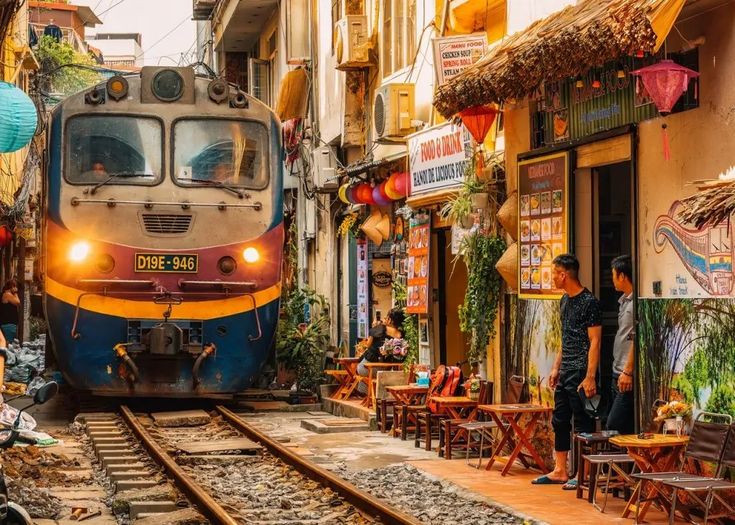
Complete Hanoi Travel Guide-Best Things to Do, Food and Attractions
Planning a trip to Hanoi? Discover the best attractions, street food, travel tips, itineraries, and places to stay in our complete Hanoi Tra
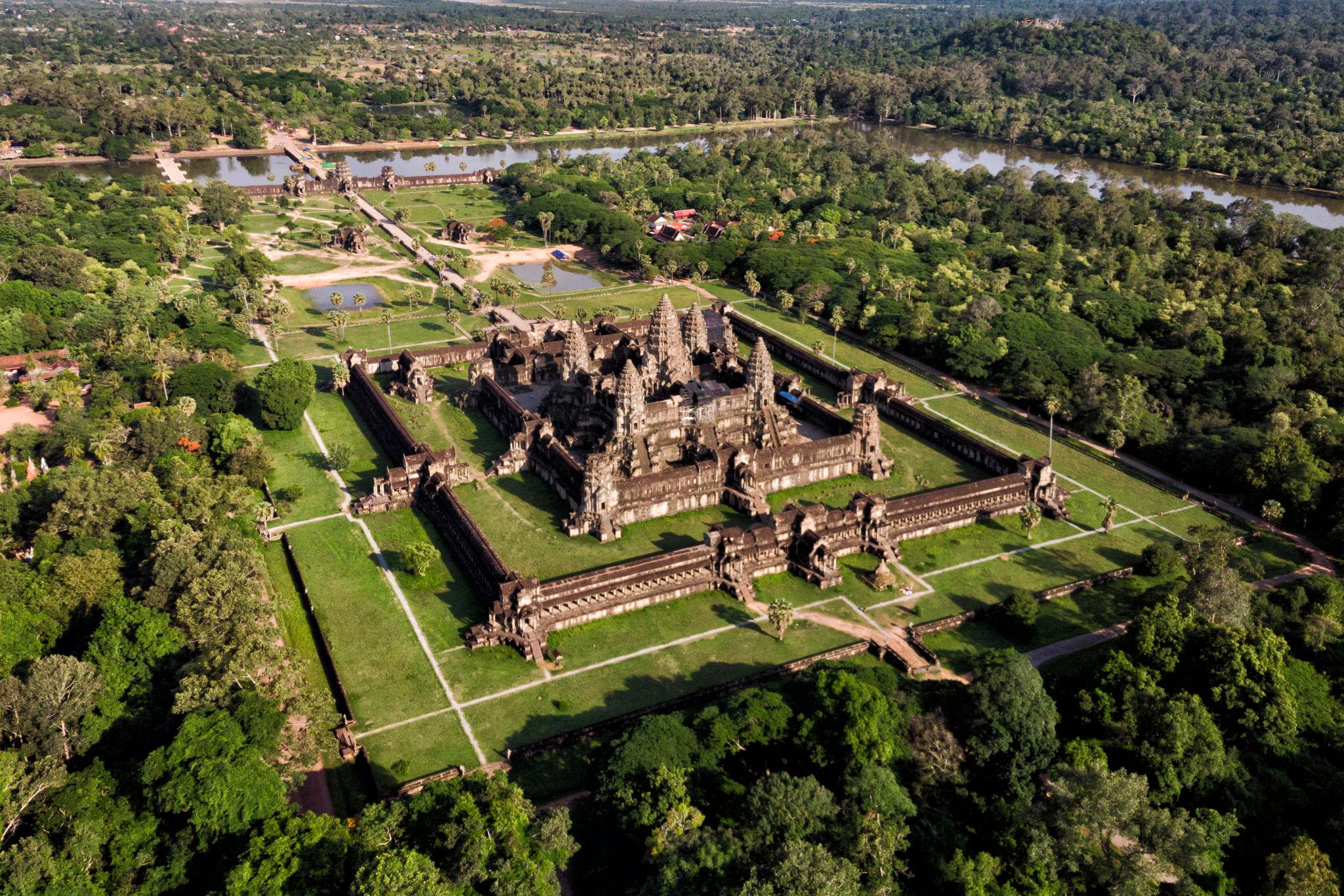
Discover Angkor Wat: The Heart of an Ancient Khmer Empire
Discover the beauty and history of Angkor Wat, a timeless symbol of the Khmer Empire and one of Southeast Asia’s most extraordinary heritage sites
Hanoi or Ho Chi Minh City for Your First Trip to Vietnam?
Planning your first trip to Vietnam? Compare Hanoi and Ho Chi Minh City by culture, food, nightlife, attractions and nearby destinations to choose the best city.

7 Days Vietnam Itinerary: The Perfect Luxury Escape
Đây là đoạn tổng hợp ngắn, phù hợp dùng làm **excerpt/short summary** cho bài viết:
Experience the best of Vietnam in seven days with a luxurious journey through Hanoi, Ha Long Bay, and Hoi An. Combining private sightseeing, 5-star stays, an overnight cruise, authentic culinary and cultural experiences, and relaxing moments, this itinerary offers a comfortable way to discover Vietnam. The journey can also be customized to suit your interests, pace, preferences, and budget.

Vietnam Travel Guide: Plan Your Vietnam Trip
Vietnam travel offers a rich mix of diverse landscapes, cultural heritage, local cuisine, and authentic experiences. From choosing the best destinations and travel experiences to planning your itinerary, timing, transportation, and travel style, this guide covers everything you need to plan a memorable journey through Vietnam.

Vietnam Travel Costs and Budget
Planning a trip to Vietnam? This guide breaks down exactly what to expect in terms of travel costs in Vietnam, covering accommodation, food, transport, tours, visas and more across budget, mid-range and luxury travel styles. You'll find clear daily, weekly and monthly spending estimates, the key factors that drive prices up or down, practical money-saving tips, and a shortlist of top destinations worth visiting in 2026.
Customs and Etiquette in Vietnam: A Practical Guide for Travelers
Vietnamese people are famously warm and forgiving toward visitors, but a little cultural know-how goes a long way. This guide covers greetings, dining, temples, money, festivals and taboos, with the reasons behind each custom, so you can travel with confidence and connect more genuinely with the people you meet.
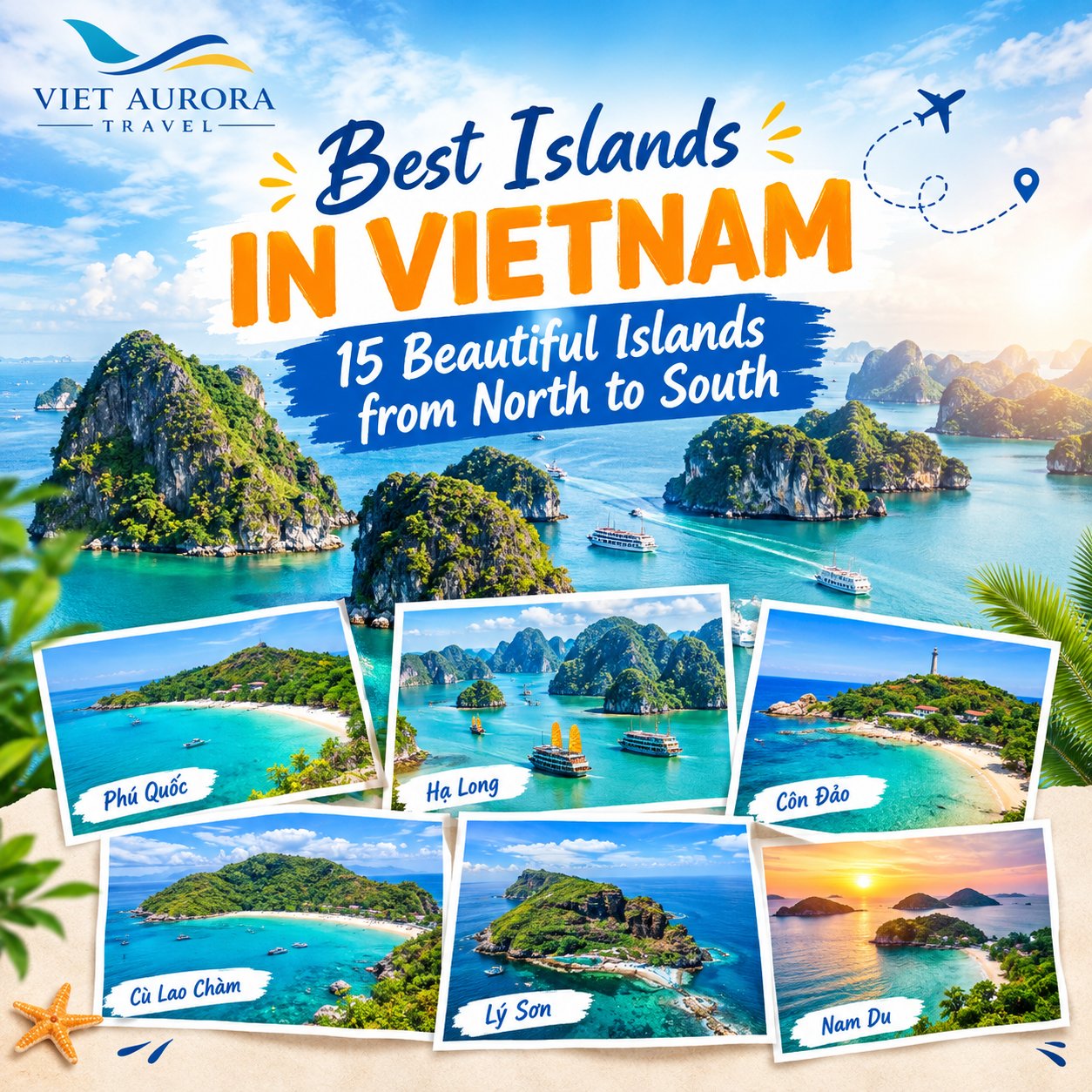
Best Islands in Vietnam: 15 Beautiful Islands from North to South
Vietnam's 3,000 km coastline is dotted with limestone islands, volcanic outposts, turtle-nesting archipelagos and quiet fishing communities. This guide helps you choose the right island for your trip, when to go, how to get there and how to add it to a wider journey through Vietnam.

Vietnam Vacations for Couples: Romantic Places, Itineraries & Tips
The best Vietnam vacations for couples are not the ones that tick off the most sights. They are the ones that leave room to slow down: a morning on a quiet bay, an evening under silk lanterns, a dinner with nowhere to rush to. This guide covers the most romantic places in Vietnam, itineraries from 5 to 14 days, the best months to go, where to stay and what it costs, so you can plan a trip that suits the two of you. Explore more of Vietnam with Viet Aurora Trave


