

Vietnam Travel Guide: Plan Your Vietnam Trip
Vietnam travel offers a rich mix of diverse landscapes, cultural heritage, local cuisine, and authentic experiences. From choosing the best destinations and travel experiences to planning your itinerary, timing, transportation, and travel style, this guide covers everything you need to plan a memorable journey through Vietnam.
Why Travel to Vietnam?
Vietnam rewards travelers who move between registers in the same day: a temple courtyard at 8am, a plastic-stool noodle stall at noon, a rice terrace at dusk. Few countries this size let you do all three without a flight in between.
A Country of Contrasting Landscapes
The north is mountainous and terraced — think Sapa's rice fields at roughly 1,500m elevation, and the limestone karsts of Ha Long Bay and Ninh Binh, formed over 500 million years of erosion. Central Vietnam narrows to a strip between mountains and sea, which is why Hue, Hoi An and Da Nang sit so close together despite feeling like different worlds. The south flattens into the Mekong Delta, a maze of rivers and canals that grows a large share of the country's rice, plus the tropical island of Phu Quoc off the southwestern coast.
A traveler chasing mountain air should weight their days toward the north. Someone after imperial architecture gets more out of Hue and Hoi An than a third day in Hanoi. If your route already has two cities, the Mekong Delta or Phu Quoc often does more for the trip than a fourth.
Culture and Heritage
Vietnam has nine UNESCO World Heritage-listed properties, including Hoi An Ancient Town, the Complex of Hue Monuments, Trang An Landscape Complex, the Ha Long Bay–Cat Ba Archipelago, and the Phong Nha-Ke Bang–Hin Nam No cave system. Each represents a different chapter: Cham civilization at My Son, the Nguyen dynasty at Hue, and a 15th-to-19th-century trading port at Hoi An.
The monuments tell you what the country preserved. A market visit, a cooking class, or an hour cycling through a village outside Hoi An tells you how people actually live now — and the two are worth balancing rather than choosing between.
Vietnamese Food Is Part of the Journey
Northern, Central and Southern Vietnamese food are genuinely different cuisines, not regional variations on one dish. Hanoi's pho leans on a clear, lightly spiced beef broth. Hue's food carries more chili and a stronger imperial-court influence — bun bo Hue is noticeably spicier and richer than its northern cousin. Ho Chi Minh City's food picks up sweetness and Mekong Delta produce, plus a strong Southern Chinese influence in dishes like hu tieu.
- Hanoi street-food walks around the Old Quarter
- Local markets — best visited before 9am
- Vietnamese coffee, including egg coffee (ca phe trung), a Hanoi original
- A half-day cooking class, widely available in Hanoi, Hoi An and Hue
- Hoi An's cao lau noodles, made only with well water specific to the town
- Mekong Delta produce markets and floating markets near Can Tho
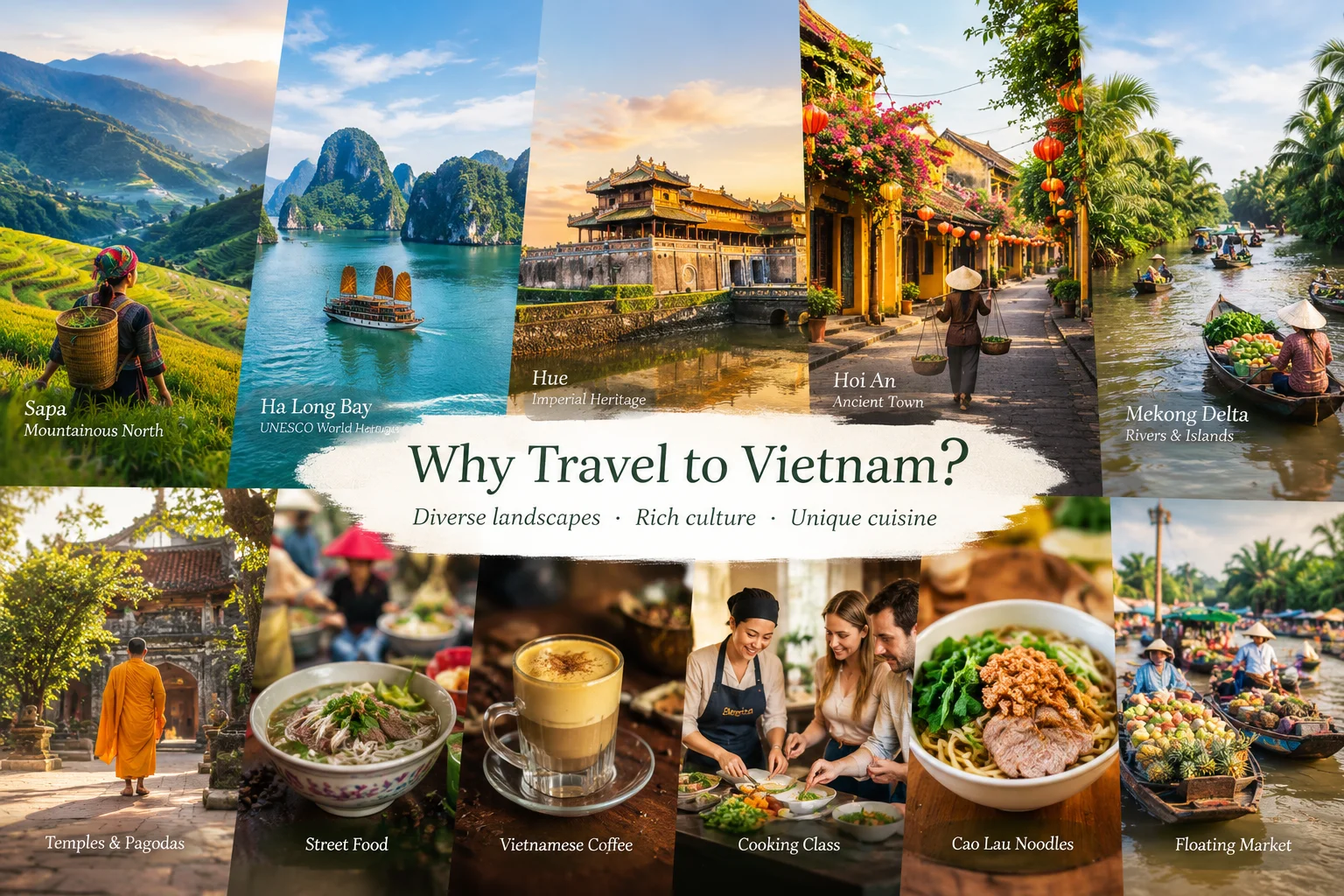
Why travel to Vietnam?
Where to Go in Vietnam
Vietnam divides cleanly into three region
s. What follows treats each destination with the level of specific detail an itinerary actually needs — not just what's there, but how long to give it and what to skip if time is tight.
Northern Vietnam
Best for culture, mountains, and a first trip. Hanoi anchors the region and works well as a base for two very different day-or-overnight trips: Ha Long Bay by sea, Ninh Binh by river and countryside.
Hanoi: The Cultural Starting Point
With a history spanning approximately 1,000 years, The capital city of Hanoi retains its traditional layout of "36 streets," each historically dedicated to a specific trade—such as Hàng Bạc (Silver Street) and Hàng Mã (Paper Goods Street). Strolling through this area feels less like a conventional sightseeing tour and more like navigating a living historical map. Beyond the Old Quarter, a two-to-three-day itinerary might also include the Temple of Literature (Vietnam’s first university, established in 1070), the Ho Chi Minh Mausoleum complex, and the streets near the Opera House that showcase distinctive French architecture.
A workable two-day rhythm: spend the first morning on history (Temple of Literature or the Mausoleum complex, which has strict dress and photography rules worth checking beforehand), the afternoon walking the Old Quarter, and the evening at a bia hoi corner — cheap draft beer served on plastic stools, a genuinely local Hanoi institution rather than a tourist experience.
Recommended: 2–3 days. Hanoi is also the practical departure point for Ha Long Bay (around 2.5 hours by road) and Ninh Binh (around 2 hours).
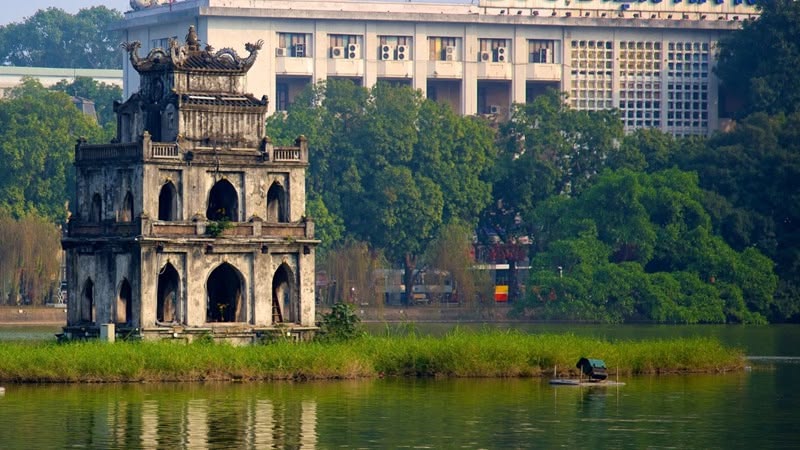
Ha Long Bay: Landscape and Cruising
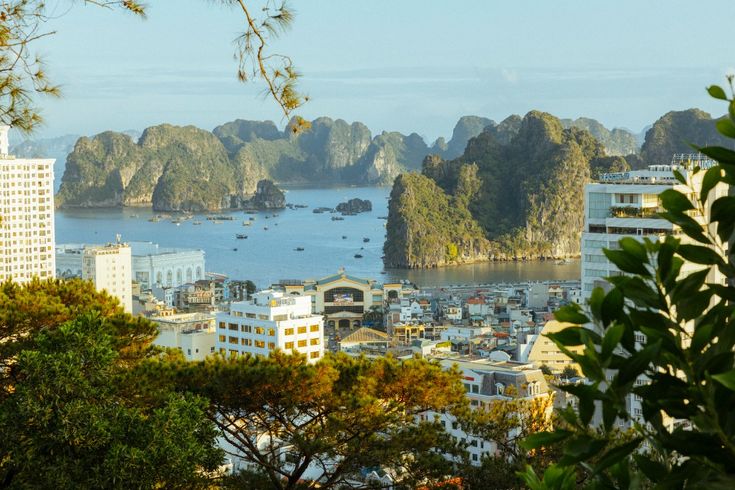
Ha Long Bay's roughly 1,600 limestone islands are best seen from the water, which is why an overnight cruise changes the experience compared with a single rushed day trip — you get sunrise or sunset over the karsts, a swim stop, and usually a cave visit (Sung Sot Cave is the most-visited, Thien Cung another common stop). Bai Tu Long Bay, a quieter extension to the northeast, is worth asking about if the main bay's boat traffic is a concern.
Weather matters here more than in most of Vietnam: the bay can see tropical storms between roughly June and September, and cruises are occasionally cancelled or rerouted on short notice during that window. April–June and September–November are generally the more reliable sailing months. Recommended: 1–2 nights aboard.
Ninh Binh: Karst Landscapes by River
Ninh Binh delivers a similar limestone landscape to Ha Long Bay but experienced by small rowboat through Tam Coc or Trang An rather than by cruise ship — the boats pass through several low limestone tunnels along the way, and in Tam Coc, rowers often use their feet rather than their hands. Mua Cave viewpoint, a roughly 500-step climb, gives a wide view over the rice fields and river bends that's become one of the most-photographed spots in northern Vietnam. Bich Dong Pagoda and the rural cycling routes around Van Long add a slower half-day if you have one to spare.
Sapa and the Northern Mountains
Sapa sits at around 1,500m and is the base for trekking through rice terraces and villages of the Hmong, Dao and Tay ethnic groups, including Cat Cat, Ta Van and Y Linh Ho — treks here typically run from a half-day walk to a two-day trek with a homestay. The terraces are greenest from May to June (planting) and turn gold from mid-September to early October (harvest) — timing a Sapa visit around one of these two windows makes a real difference to what you'll actually see. Winter (December–February) can bring frost and even occasional light snow at altitude, which surprises travelers expecting tropical Vietnam.
Central Vietnam
Best for heritage, food and a slower pace. Hue, Da Nang and Hoi An sit close enough together (Hue to Hoi An is about 2.5–4 hours by road, often routed over the scenic Hai Van Pass) that a single regional base isn't necessary.
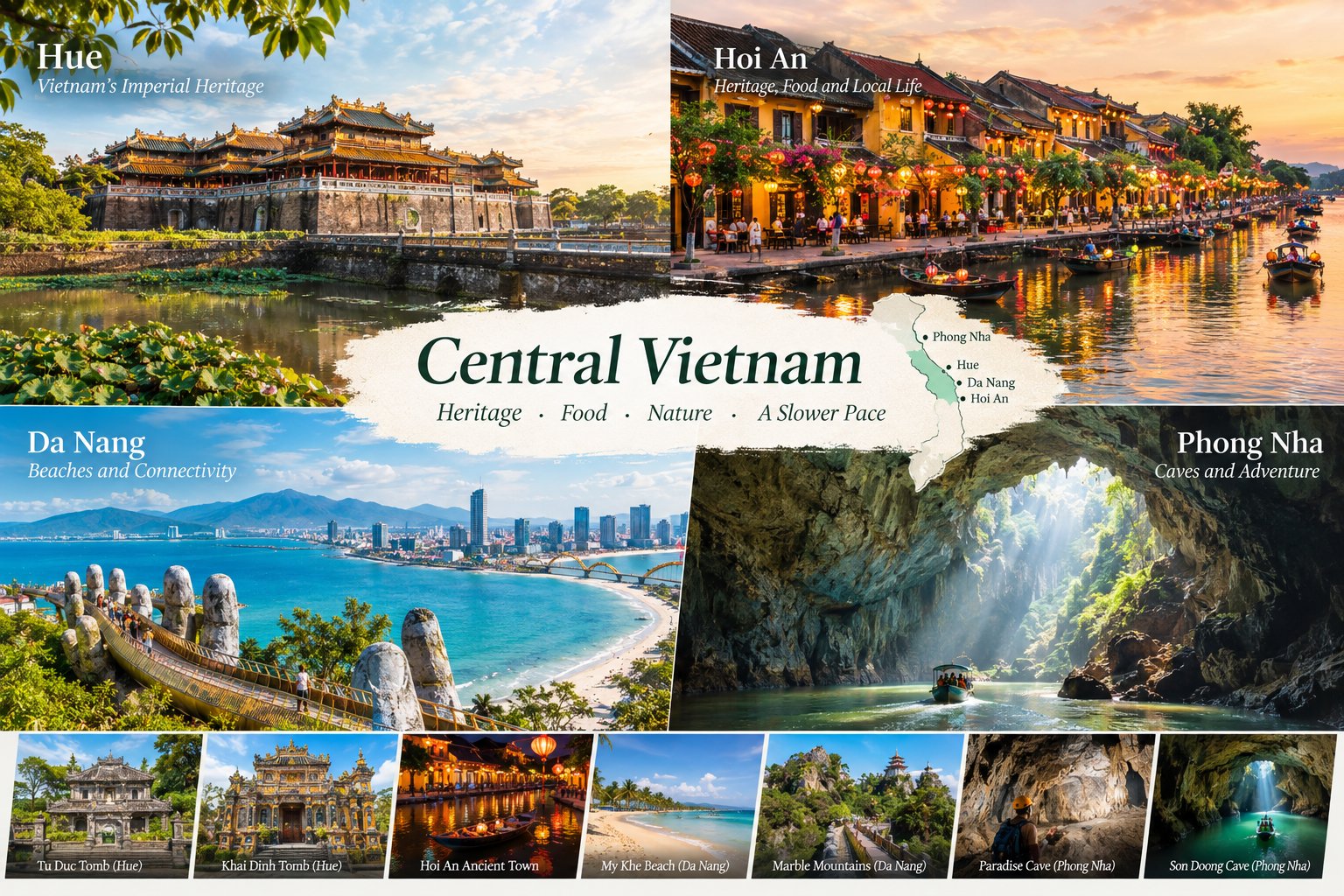
Hue: Vietnam's Imperial Heritage
Hue was the seat of the Nguyen dynasty from 1802 to 1945, and the Imperial City modeled partly on Beijing's Forbidden City is the centerpiece, though a significant portion was damaged during the 1968 Tet Offensive and restoration is still ongoing in places. Beyond the citadel, the royal tombs are spread along the Perfume River; Tu Duc's tomb and Khai Dinh's tomb are usually singled out as the most architecturally distinct, the first landscaped and understated, the second ornate and clearly influenced by European styles.
Hoi An: Heritage, Food and Local Life
Hoi An Ancient Town preserves a 15th-to-19th-century trading port largely intact, including the Japanese Covered Bridge and hundreds of wood-front shophouses now used as tailors, galleries and restaurants. The town is at its best in the two hours around dusk, when the old quarter's streets close to traffic and lanterns are lit — arriving mid-morning instead means dealing with day-trip crowds from Da Nang without the atmosphere.
Da Nang: Beaches and Connectivity
Da Nang functions as the region's transport hub — its airport has direct connections to most of Vietnam's major cities — and as a beach base in its own right, with My Khe beach inside the city limits. The Marble Mountains (five limestone hills with cave pagodas) sit just south of the city, and the Ba Na Hills complex, with its well-known Golden Bridge held up by giant stone hands, makes a popular half-day trip despite being unmistakably built for tour groups rather than solitude.
Phong Nha: Caves and Adventure
Phong Nha-Ke Bang National Park holds some of the largest cave systems on Earth, including Son Doong — the world's largest cave by volume, discovered relatively recently in 1991 and only opened to limited tourism in 2013. Son Doong tours are expensive, physically demanding, and booked out roughly a year in advance; most travelers instead visit Paradise Cave (an easy walkway) or Dark Cave (which includes mud-bath swimming and zip-lining) for a far more accessible day out.
Southern Vietnam
Best for city energy, food, and a different pace than the north. Ho Chi Minh City has little in common with Hanoi beyond the language — it's younger, faster, and shaped far more by the past fifty years than by the previous thousand.
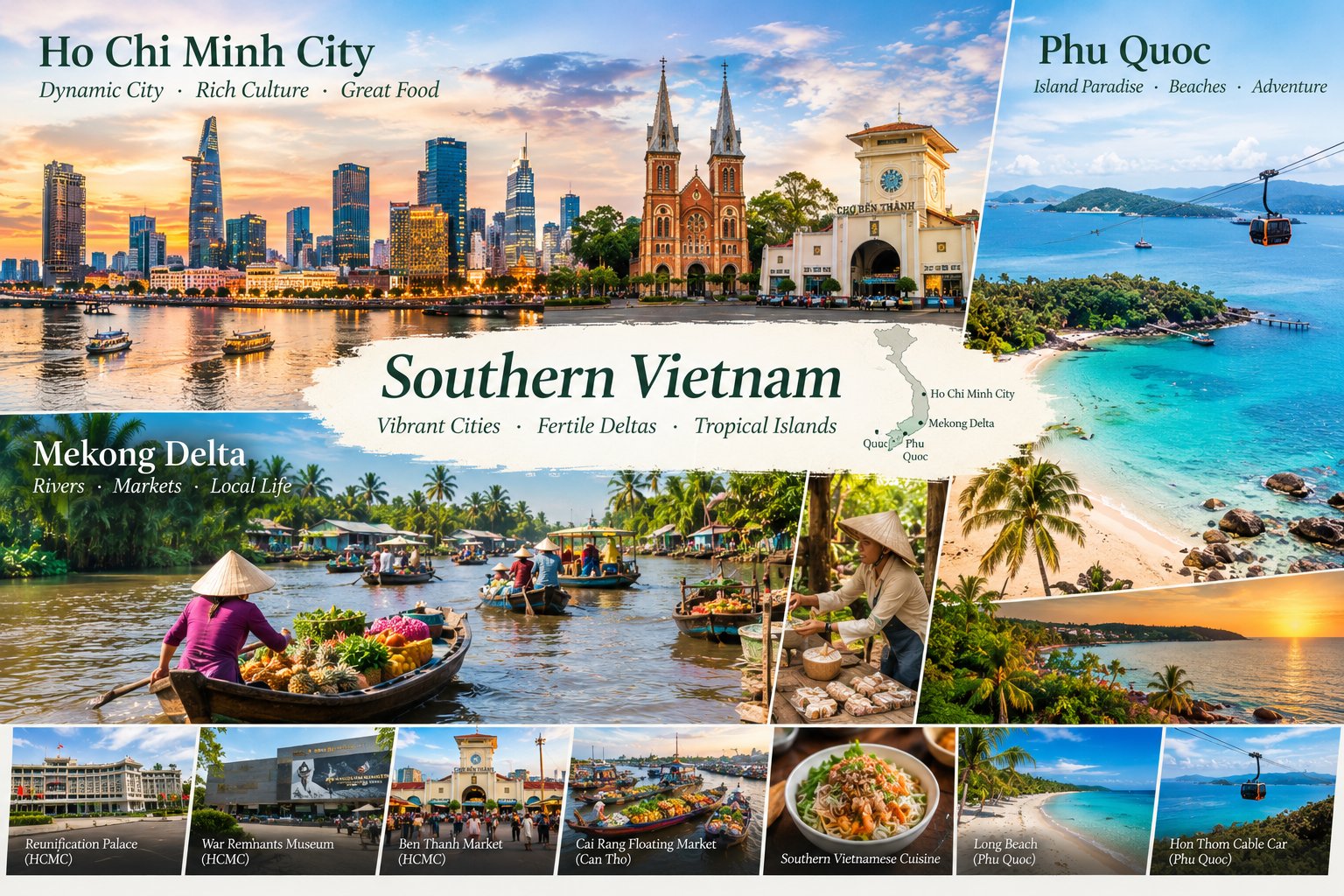
The city's core sights the Reunification Palace, War Remnants Museum, Ben Thanh Market, and the French colonial-era Notre-Dame Cathedral and Central Post Office can be covered in a day, but the more distinctive experience is in the districts around them: District 3's café culture, the rooftop bar scene overlooking the skyline, and the southern-Vietnamese street food that leans sweeter and uses more fresh herbs than its northern counterpart.
Mekong Delta
The Mekong Delta produces roughly half of Vietnam's rice on a river system covering nine main channels (hence its Vietnamese name, Cuu Long, "nine dragons"). Most day trips from Ho Chi Minh City head to My Tho or Ben Tre, about 1.5–2 hours away, for a short boat ride and a coconut-candy workshop stop — a fine introduction, but genuinely rushed. Can Tho, about 3–4 hours from the city, is the better base for travelers with an extra day: its Cai Rang floating market is largest and most active before 8am, which effectively requires an overnight stay in the region to see properly.
Phu Quoc
Phu Quoc is Vietnam's largest island, off the southwestern coast near Cambodia, and has developed quickly over the past decade into a resort destination with an international airport of its own. Long Beach on the west coast handles most of the resort development and sunset views; the north of the island retains more forest and quieter beaches, and a cable car (one of the world's longest over-sea cable cars) connects the mainland port area to Hon Thom island.
How to Choose the Best Places to Visit in Vietnam?
There's no universal best-of list. The more useful question is what the trip is optimizing for, and the route changes accordingly.
For First-Time Visitors
Hanoi to Ha Long Bay to Hoi An is the standard first-timer route for a reason: it covers city culture, a signature landscape, and heritage architecture without excessive backtracking, and each leg is a manageable 1–3 hour transfer. With more than seven days, adding Ho Chi Minh City and the Mekong Delta extends the same logic south.
For Couples and Honeymooners
The trap for couples isn't the destination list, it's the pace — a different hotel every night covers more ground but leaves little unstructured time. Hanoi to Ha Long Bay to Hoi An, finishing with two or three nights at a beach resort in Da Nang or Phu Quoc, gives the trip a clear arc from culture to scenery to rest without over-scheduling any single leg.
For Families
Fewer hotel changes and shorter transfer days matter more here than destination count. Hanoi, Ninh Binh, Hoi An and Da Nang keeps every leg under three hours and mixes active days (cycling, boat rides) with beach downtime that works across a wide age range.
For Food Lovers
Hanoi to Hue to Hoi An to Ho Chi Minh City is essentially a tasting route through four distinct regional cuisines. Building in a cooking class in at least one city (Hanoi and Hoi An both have well-established options) turns the trip from eating Vietnamese food into understanding how it's made.
For Adventure Travelers
Northern mountains, Ha Giang's motorbike loops, and Phong Nha's caves make for a demanding, highly rewarding route — but one that needs deliberate rest days built in. Two consecutive multi-day treks or long cave visits without a recovery day is the most common way an adventure itinerary burns people out.
When Is the Best Time to Travel to Vietnam?
There is no single best month for the whole country — Vietnam's north, center and south sit under different weather systems at the same time of year, so the honest answer depends on the route, not the calendar alone.
Northern Vietnam
Hanoi has real seasons: a cool, sometimes damp winter (roughly November–March, occasionally dropping below 15°C) and a hot, humid summer (April–September) with the heaviest rain typically in July and August. Ha Long Bay's most reliable cruising windows are April–June and September–November, avoiding both the summer storm season and winter's lower visibility. Sapa runs cooler than Hanoi year-round because of elevation and has its own rhythm tied to the rice cycle, described above.
Central Vietnam
Central Vietnam's rainy season runs roughly September to December, when Hue and Hoi An can see significant rainfall and occasional typhoon activity — worth checking closely if the trip is timed for the last quarter of the year. February to May is generally the more dependable stretch for this region, ahead of the summer heat.
Southern Vietnam
The south runs on a simpler two-season pattern: dry from roughly December to April, wet from May to November, with rain usually arriving as a heavy but short afternoon downpour rather than an all-day event. Temperatures stay warm year-round, so the dry season is mainly a comfort and photography preference rather than a hard requirement.
Best Time for a North-to-South Trip
March to May is the closest thing Vietnam has to a countrywide sweet spot, since it sits after the north's winter and before the center's storm season and the peak of summer heat further south. For any multi-region route, check the weather for every region on the itinerary together rather than only the first stop — a great window in Hanoi can still mean a wet week in Hue.
How to Travel Around Vietnam?
| Situation | Usually the practical choice |
| Long north–south distance (e.g. Hanoi–Da Nang, Hanoi–Ho Chi Minh City) | Domestic flight — 1.5–2 hours vs. 15–20+ hours by road or rail |
| Scenic, unhurried travel where the journey is part of the trip | Overnight sleeper train (e.g. Hanoi–Lao Cai for Sapa, Hanoi–Hue) |
| Families, luggage, or a multi-stop countryside route | Private car with driver — flexible stops, no fixed timetable |
| City exploration | Walking plus ride-hailing apps (Grab is the standard in most cities) |
| Short regional hops (e.g. Hue–Hoi An, Ho Chi Minh City–My Tho) | Private transfer or organized day-trip van |
Most well-designed itineraries mix at least two of these rather than relying on one mode for the whole trip — flights for the long jumps, a private car or train for the scenic middle sections, and walking or ride-hailing once inside a city.
Practical Vietnam Travel Tips
Visa and Entry
Vietnam offers e-visas to all nationalities, typically valid up to 90 days with multiple entry under current policy, applied for online in advance. Because entry rules do change, confirm the current requirements on Vietnam's official immigration portal shortly before booking flights rather than relying on older guides.
Money
The currency is the Vietnamese dong (VND); note that prices often run into the hundreds of thousands, which takes a day or two to get used to mentally. Cards are widely accepted in hotels, restaurants and larger shops, but small vendors, markets and rural areas are cash-only, so carrying some dong at all times is worth it.
Connectivity
A local SIM or eSIM is cheap and easy to arrange on arrival at most international airports, and is genuinely useful for ride-hailing apps, translation, and navigating between destinations that aren't always well signposted in English.
Local Customs
Cover shoulders and knees when visiting temples and pagodas, and remove shoes where indicated. In villages and less-touristed communities, it's worth watching how locals behave before assuming a photo or interaction is welcome.
What to Pack
Pack for the route, not the country. Layers and solid walking shoes for northern mountains; light, breathable clothing for cities and the south; sun protection for the central coast and Phu Quoc; modest clothing that covers shoulders and knees for temple visits anywhere. A trip that crosses more than one region needs a flexible layered wardrobe rather than a single climate's worth of clothes.
How to Plan Your Vietnam Trip
Seven decisions build a workable itinerary, roughly in this order.
- Decide what kind of trip this is — culture, food, nature, adventure, beach, family, or a mix
- Choose regions before destinations: North + Central for culture, Central + South for beach, North + Central for adventure
- Set the number of days first, then the number of destinations — shorter trips need fewer regions, not a compressed version of a longer one
- Build a route by geography, not a wish list, to avoid unnecessary backtracking
- Check the season for every region on the route, not just the first stop
- Choose transport per leg — flight for distance, train or car for scenery, walking or ride-hailing within cities
- Leave unscheduled time — a long lunch, an unplanned market, a slow afternoon — rather than filling every hour
Why Choose Viet Aurora Travel?
Viet Aurora Travel specializes in private and tailor-made journeys in Vietnam, creating travel experiences around your interests, time, travel style, and preferred pace.
With a focus on local expertise, authentic experiences, personalized itineraries, and flexible travel, we help you discover Vietnam through culture, cuisine, nature, heritage, and local life — beyond a standard tour itinerary.
Learn more about Viet Aurora Travel: About Viet Aurora Travel
Plan your journey: Get a Free Quote
Contact Viet Aurora Travel to discuss your travel ideas and create a Vietnam journey designed around you.
Hotline: +84 969.229.391
Email: sales@vietauroratravel.com
Address: PCC1 Ha Dong Complex- Phu Luong ward- Hanoi-Vietnam

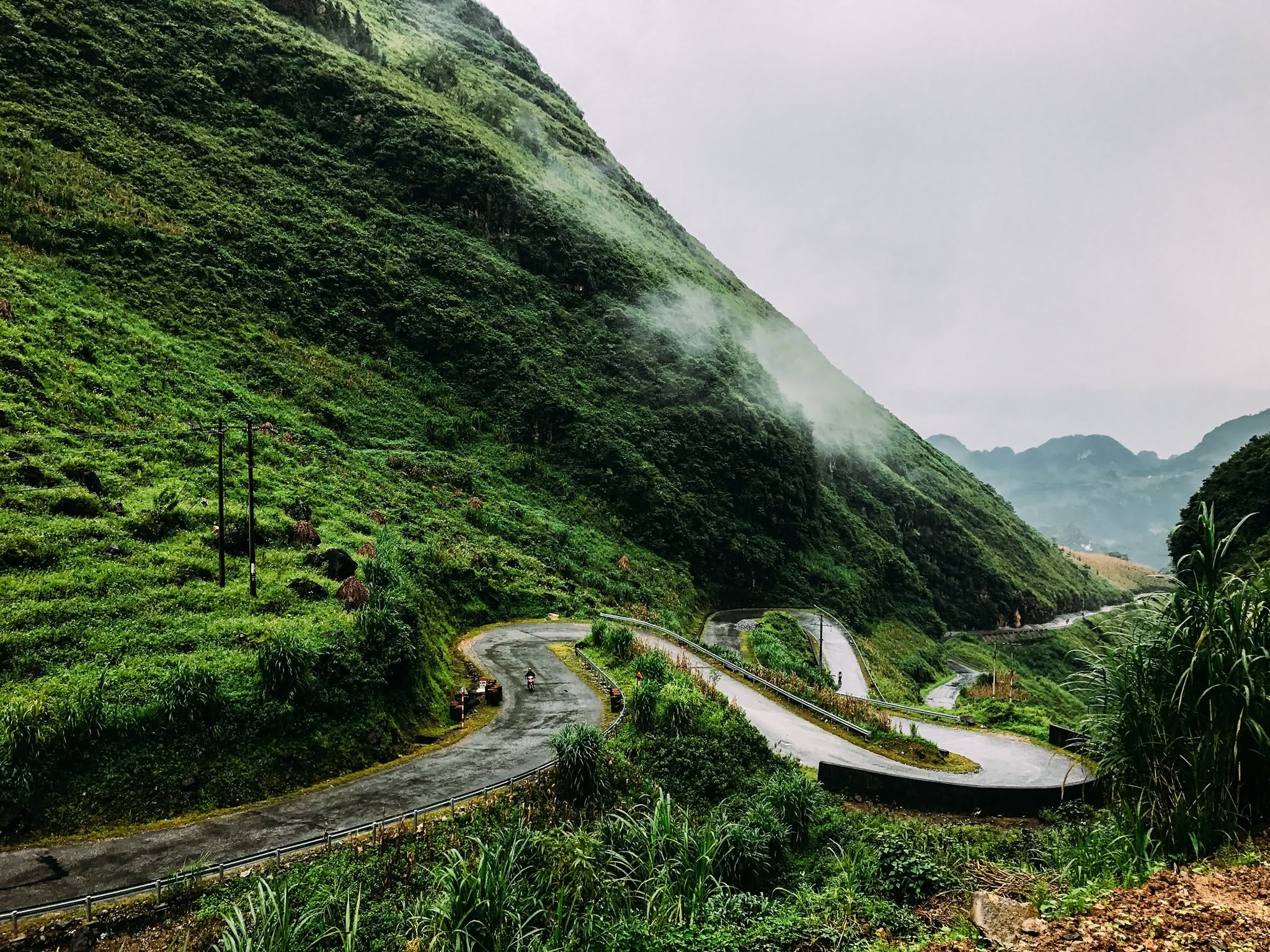
Ha Giang Loop: Vietnam's Ultimate Road Trip Adventure
Discover the Ha Giang Loop, Vietnam's most spectacular road trip. Explore Ma Pi Leng Pass, Dong Van, Nho Que River, and ethnic minority villages with our complete travel guide.
Lorem ipsum dolor sit amet, consectetur adipiscing elit. Mauris lobortis, nonimper diet est. Praesent vulputate at enim sit amet mattis.
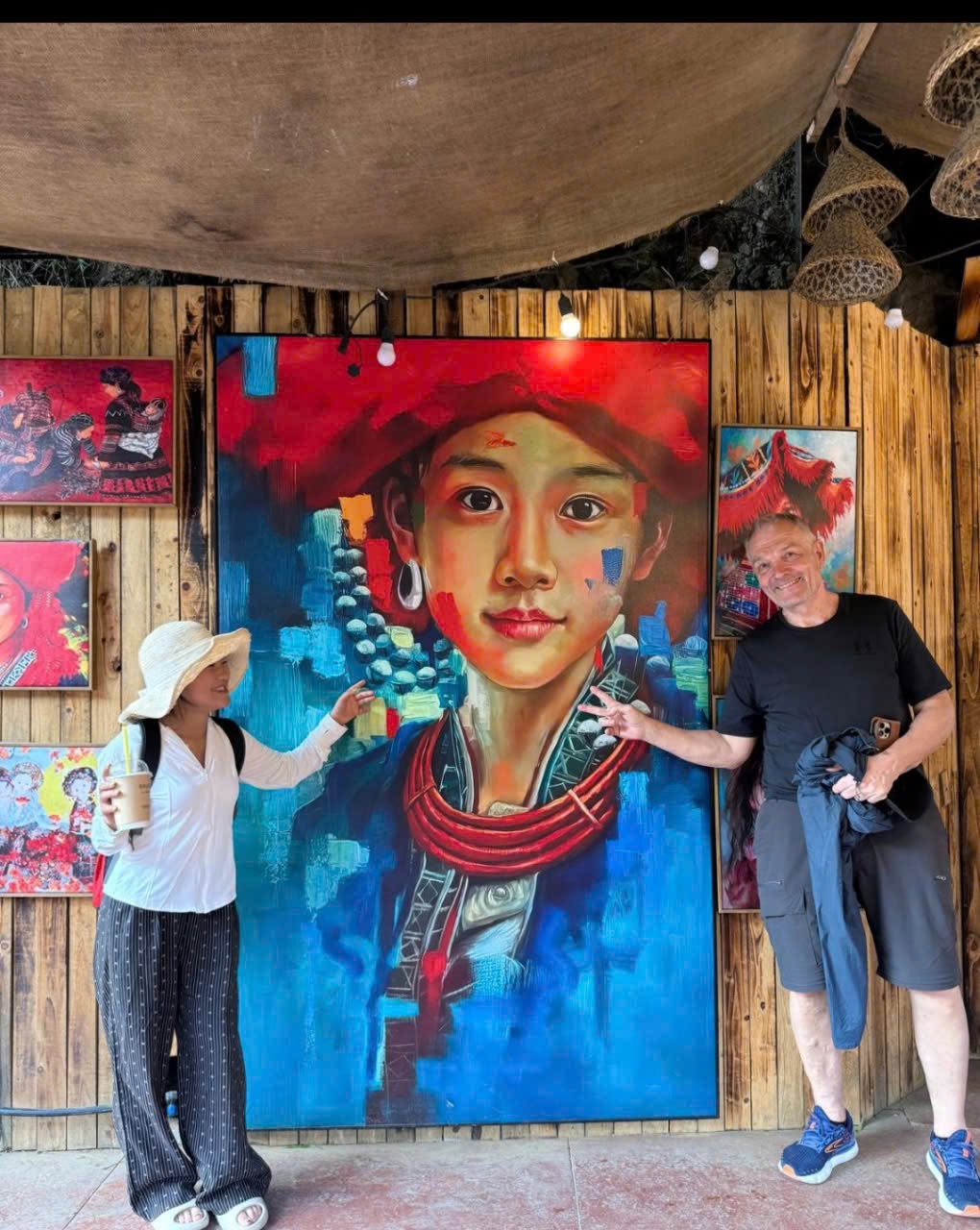
10 Traditional Ethnic Markets in Vietnam for an Authentic Cultural Experience
Discover the top 10 ethnic markets in Vietnam, from Bac Ha to Meo Vac, where colorful traditions, local culture, and authentic mountain life come together.
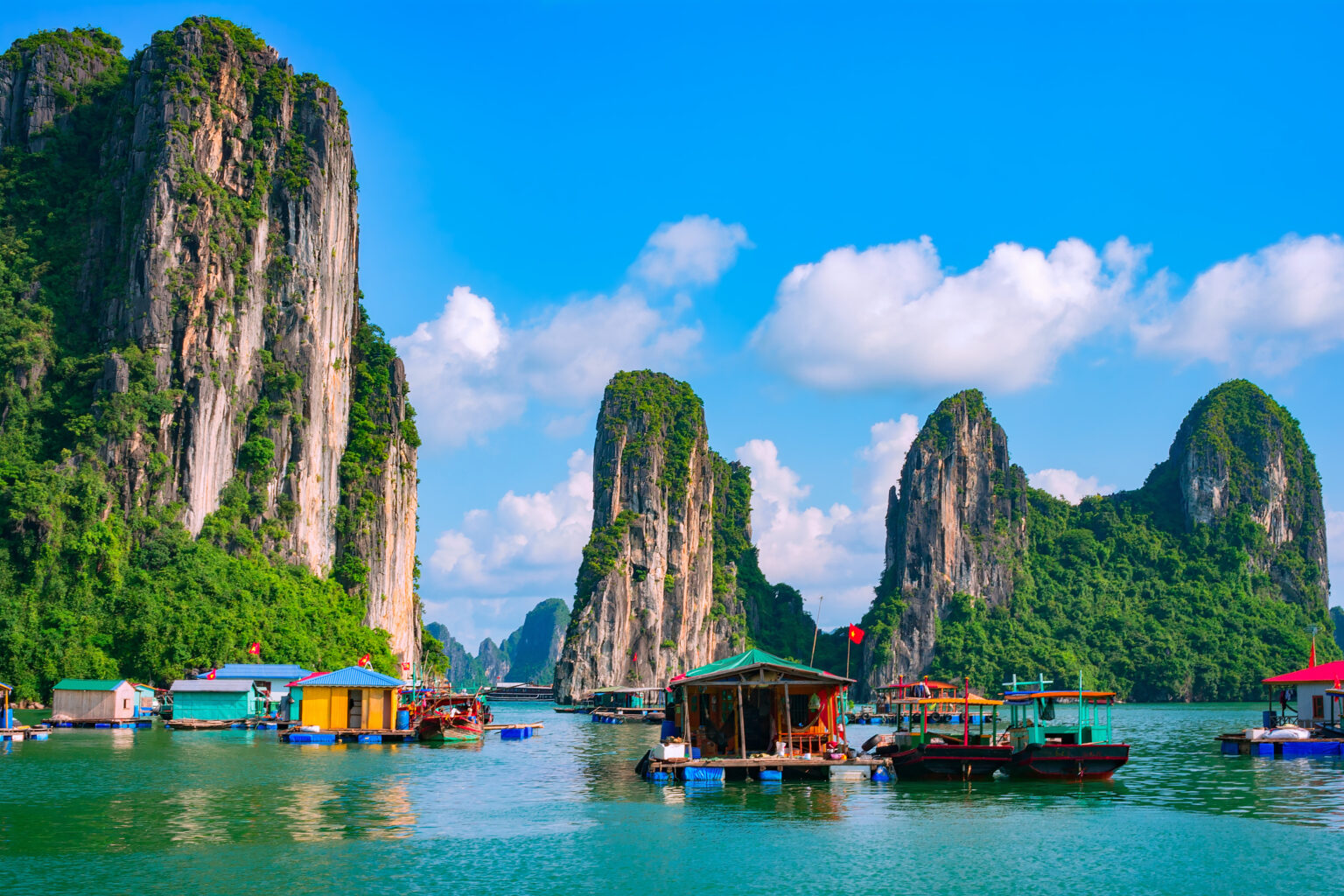
Why Vietnam Should Be on Your 2026 Travel List
Vietnam Travel Guide 2026: Everything You Need to Know Before You Go
Vietnam has become one of the most exciting destinations in Southeast Asia, attracting millions of international visitors each year. Known for its breathtaking landscapes, rich cultural heritage, delicious cuisine, welcoming locals, and affordable travel costs, Vietnam offers unforgettable experiences for every type of traveler.
Whether you're planning your first trip or returning to explore more of this fascinating country, this Vietnam Travel Guide 2026 covers everything you need to know before you go.
Why Visit Vietnam in 2026?
Vietnam offers an incredible combination of natural beauty, vibrant cities, ancient history, and authentic cultural experiences. From the emerald waters of Ha Long Bay to the lantern-lit streets of Hoi An and the tropical beaches of Phu Quoc, travelers can enjoy a wide variety of experiences within a single journey.
Reasons to visit Vietnam in 2026:
Stunning UNESCO World Heritage Sites
World-famous Vietnamese cuisine
Luxury travel at affordable prices
Beautiful beaches and islands
Authentic cultural experiences
Friendly and welcoming locals
Easy connections with Cambodia, Laos, and Thailand
Vietnam is also one of the best-value destinations in Asia, making it ideal for couples, families, solo travelers, and luxury seekers alike.
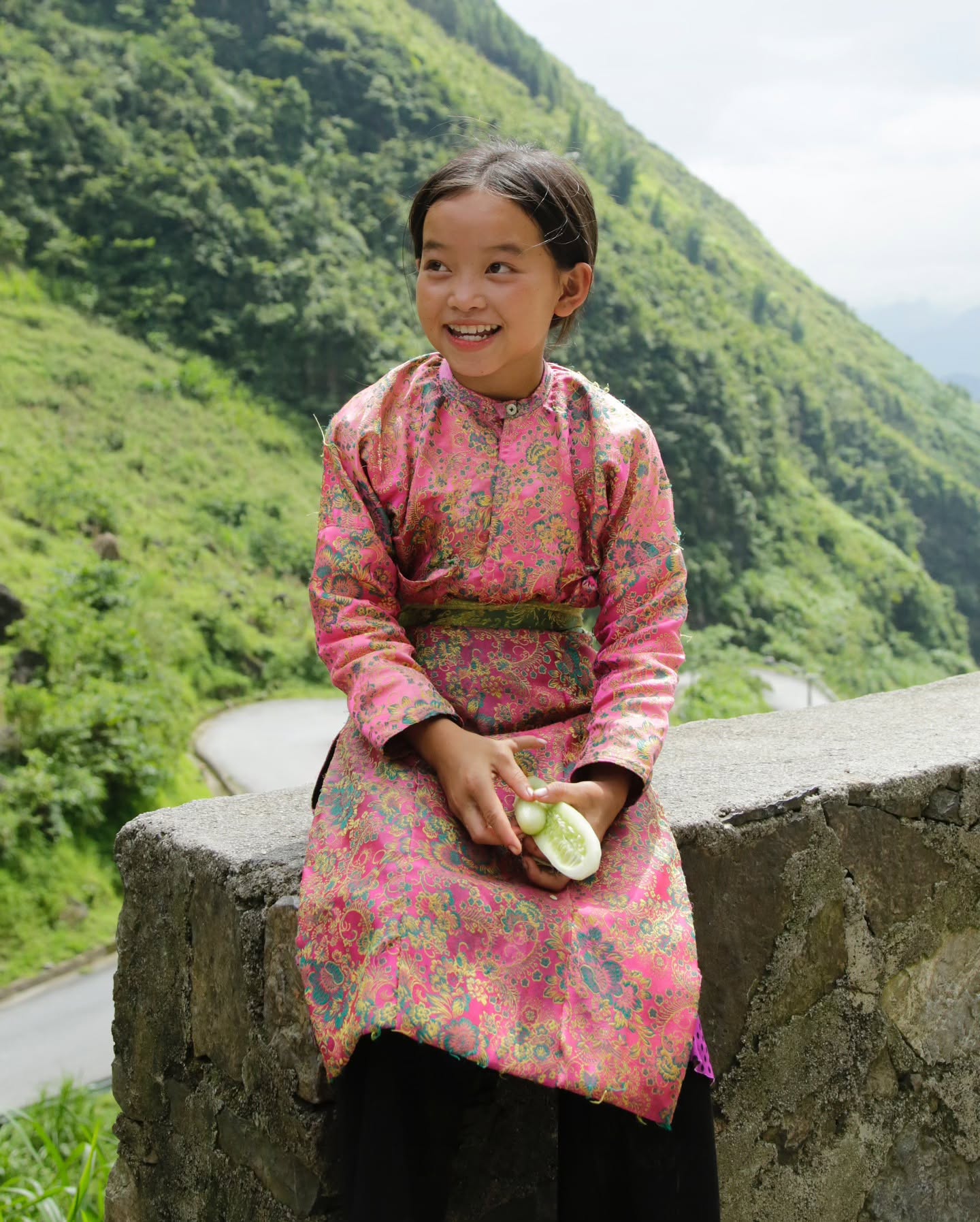
20 Vietnam Bucket List Experiences You Must Try in 2026
Discover 20 unforgettable Vietnam bucket list experiences, from cruising Ha Long Bay and conquering the Ha Giang Loop to exploring Hoi An, Sapa, and Phu Quoc.
Vietnam is a country of extraordinary contrasts, where ancient traditions blend seamlessly with modern life, and breathtaking natural landscapes meet vibrant cities. Whether you're a first-time visitor or a seasoned traveler, Vietnam offers countless experiences that deserve a place on your travel bucket list.
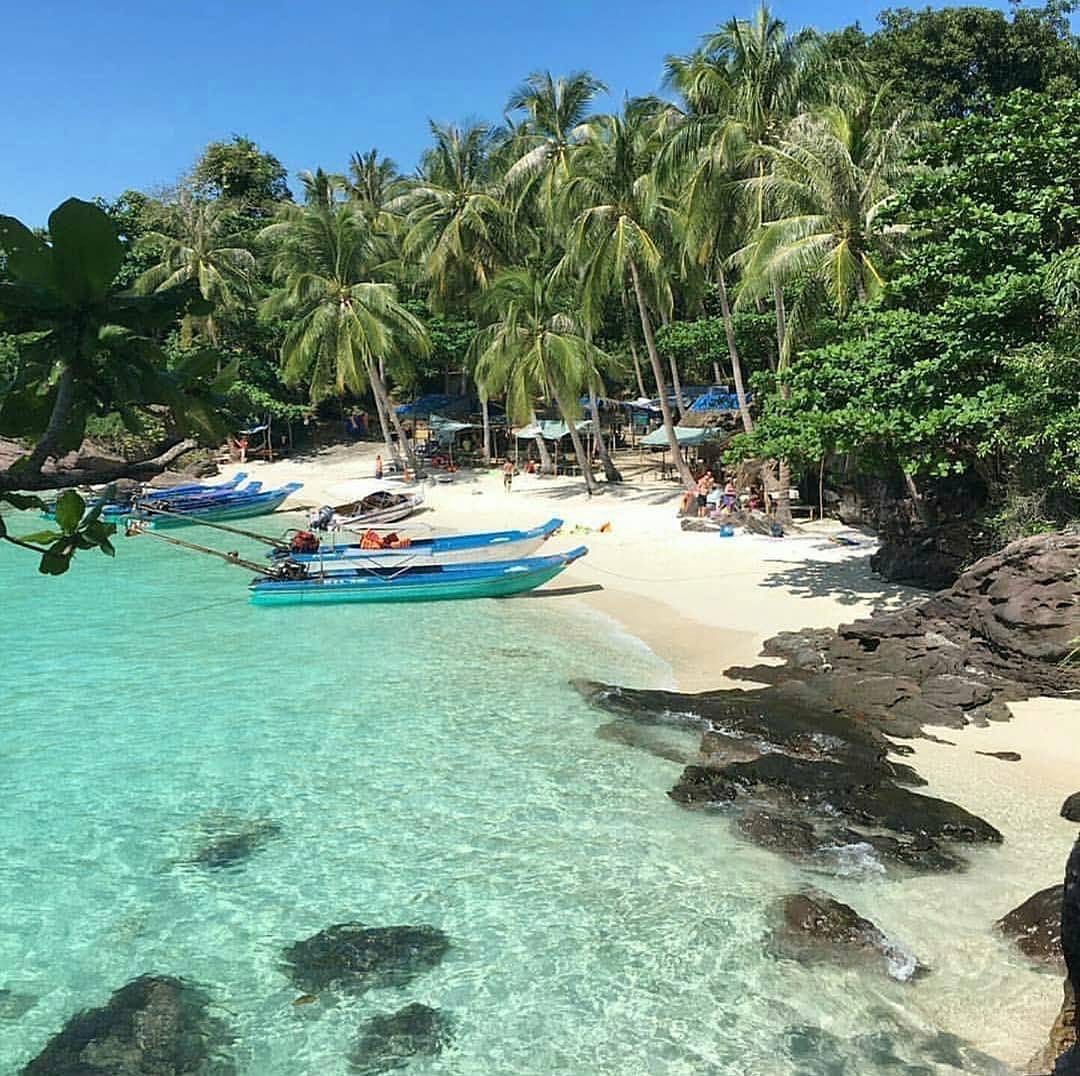
Phu Quoc Island -The Perfect Beach Escape in Vietnam
Discover Phu Quoc Island, Vietnam's tropical paradise. Explore the best beaches, attractions, luxury resorts, island tours, and travel tips in this complete Phu Quoc Travel Guide.
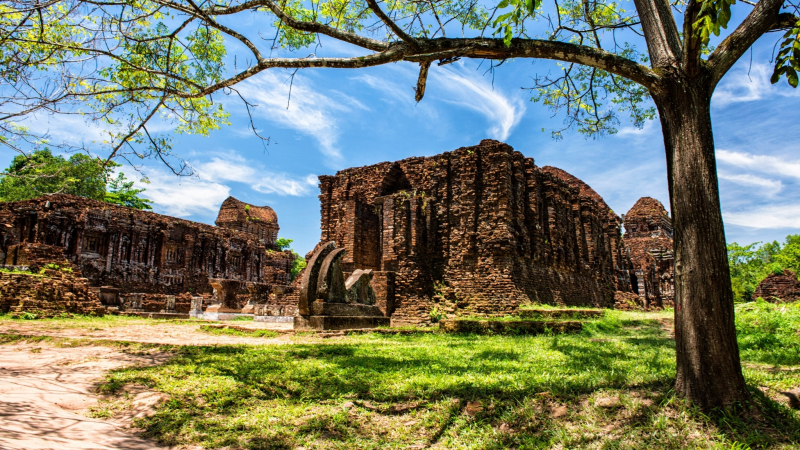
Explore Southeast Asia: Private Tours Across Vietnam, Cambodia, Laos and Thailand
Discover the best Southeast Asia tours featuring Vietnam, Cambodia, Laos, and Thailand. Explore top destinations, travel itineraries, cultural experiences, and expert travel tips.
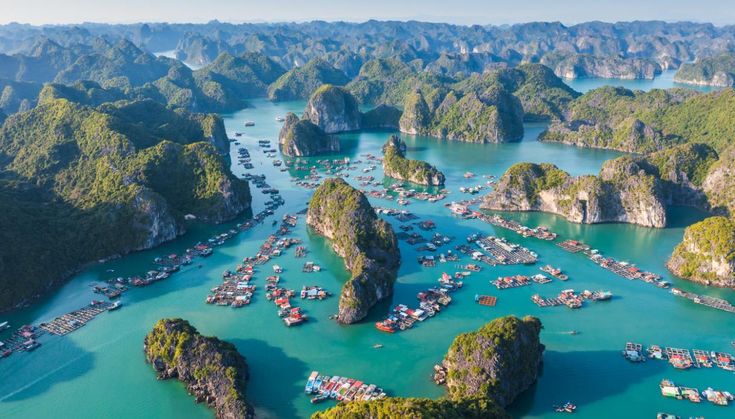
Top Luxury Halong Bay Cruises for an Unforgettable Experience
Discover the top Ha long Bay cruises, from luxury overnight cruises to family-friendly experiences
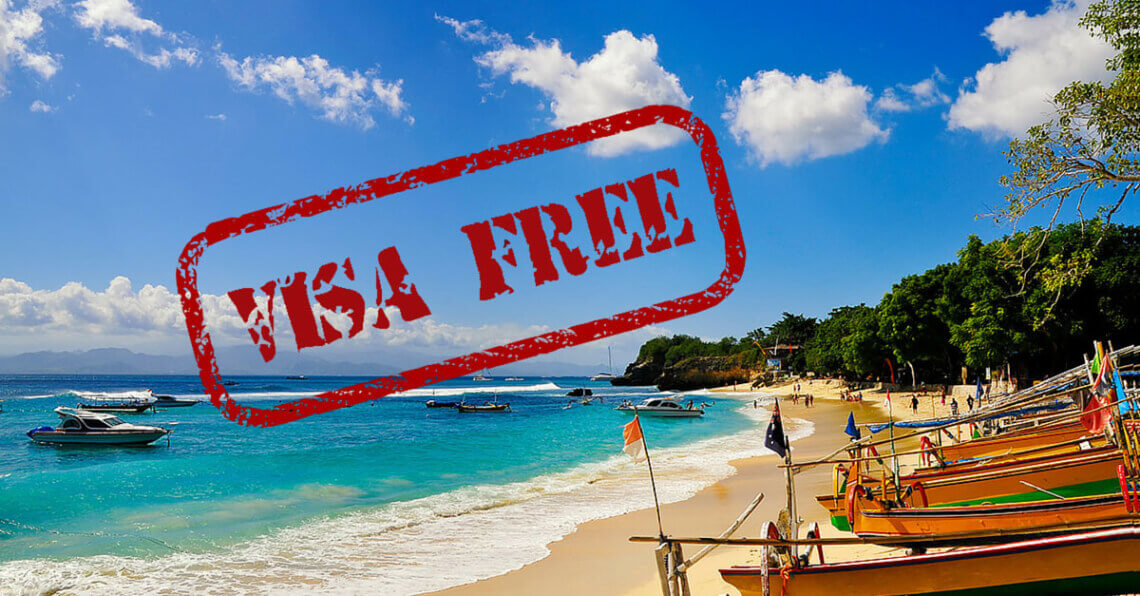
Phu Quoc Visa Exemption: 30-Day Visa-Free Entry for International Travelers
International travelers holding foreign passports can visit Phu Quoc Island visa-free for up to 30 days
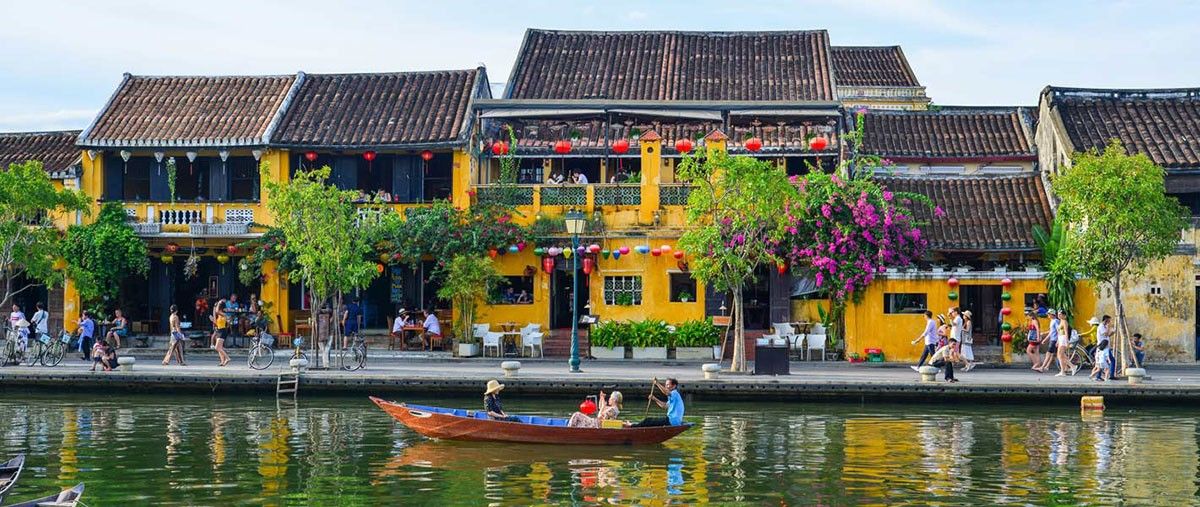
Hoi An Ancient Town: A UNESCO World Heritage Site and Model of Cultural Preservation
Since being listed as a UNESCO World Heritage Site in 1999, Hoi An has successfully balanced cultural preservation and tourism development
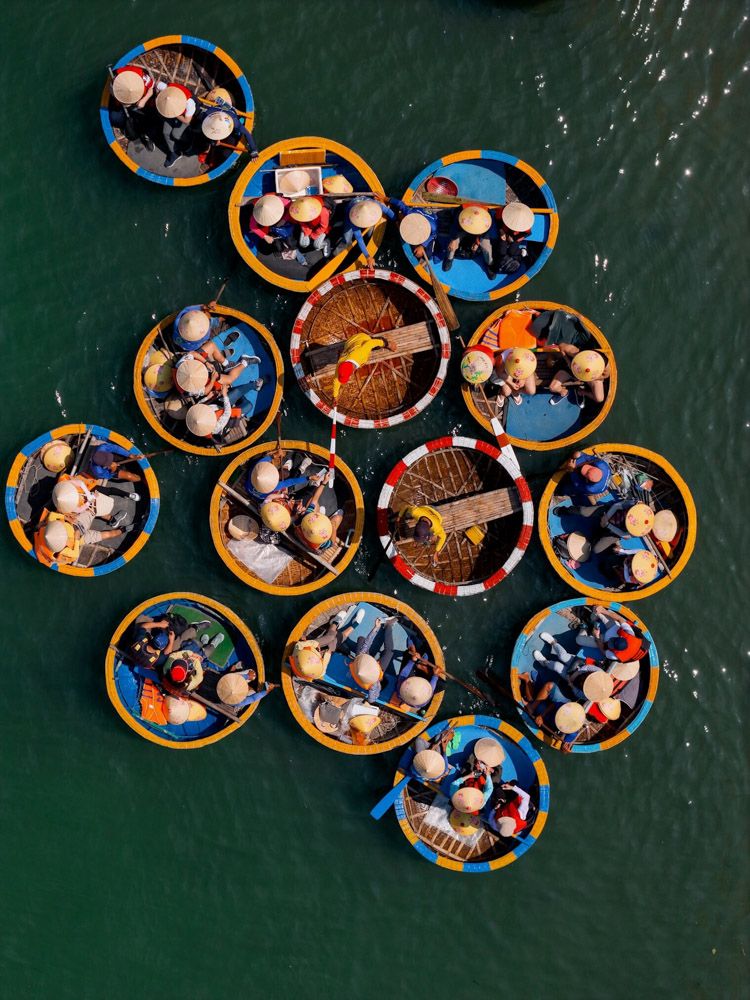
Three Vietnamese destinations among Asia’s top attractions: Tripadvisor
Hoi An Ancient Town, War Remnants Museum, and Cu Chi Tunnels have been ranked among Asia’s top at
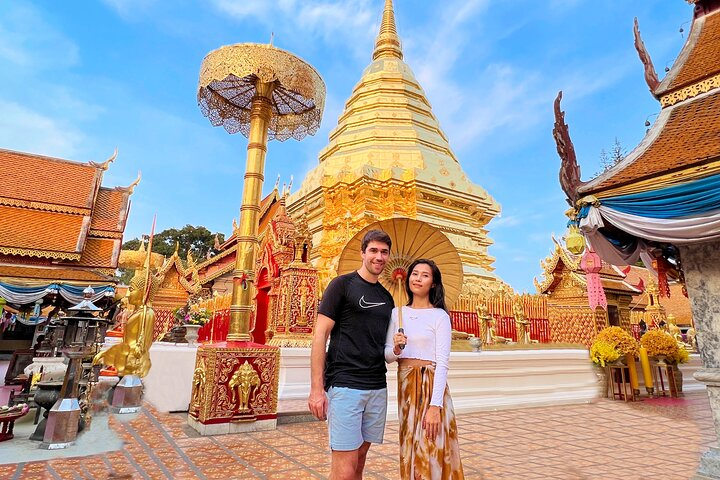
Thailand: The Destination That Keeps Winning Travelers’ Hearts
From breathtaking landscapes and vibrant culture to delicious food and exceptional hospitality, Thailand offers an unforgettable travel experience that keeps attracting millions of visitors year after year
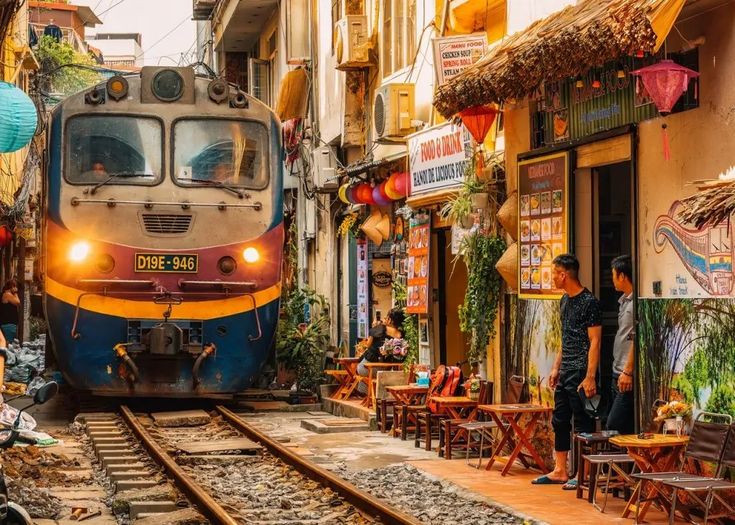
Complete Hanoi Travel Guide-Best Things to Do, Food and Attractions
Planning a trip to Hanoi? Discover the best attractions, street food, travel tips, itineraries, and places to stay in our complete Hanoi Tra
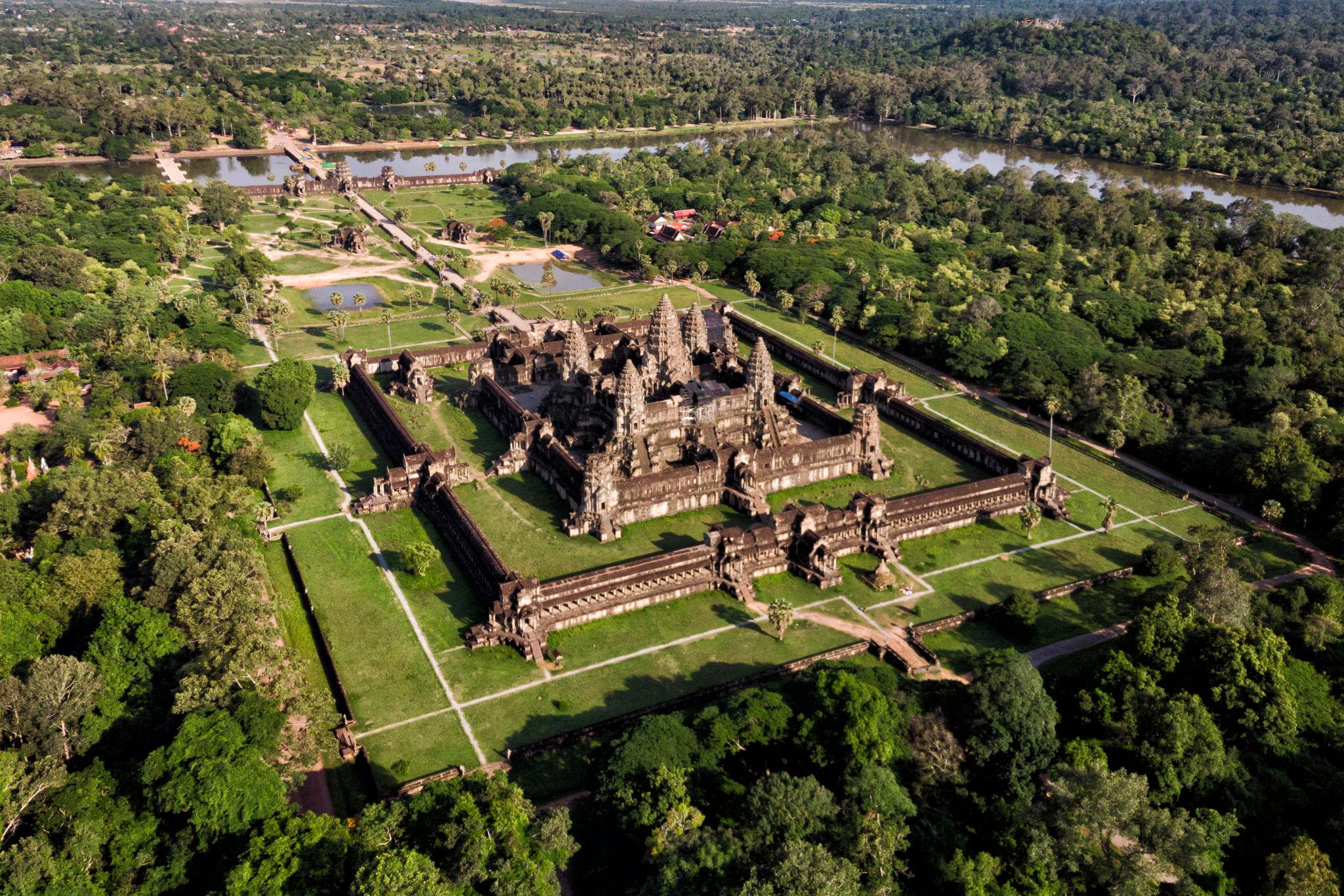
Discover Angkor Wat: The Heart of an Ancient Khmer Empire
Discover the beauty and history of Angkor Wat, a timeless symbol of the Khmer Empire and one of Southeast Asia’s most extraordinary heritage sites
Hanoi or Ho Chi Minh City for Your First Trip to Vietnam?
Planning your first trip to Vietnam? Compare Hanoi and Ho Chi Minh City by culture, food, nightlife, attractions and nearby destinations to choose the best city.
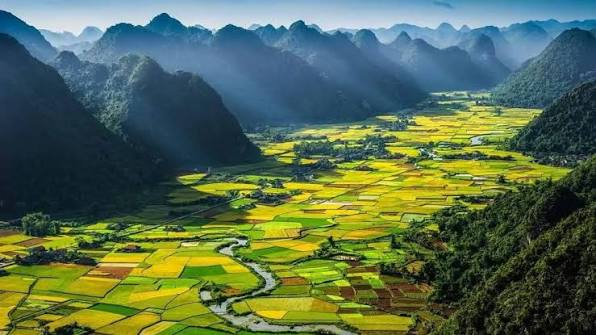
7 Days Vietnam Itinerary: The Perfect Luxury Escape
Đây là đoạn tổng hợp ngắn, phù hợp dùng làm **excerpt/short summary** cho bài viết:
Experience the best of Vietnam in seven days with a luxurious journey through Hanoi, Ha Long Bay, and Hoi An. Combining private sightseeing, 5-star stays, an overnight cruise, authentic culinary and cultural experiences, and relaxing moments, this itinerary offers a comfortable way to discover Vietnam. The journey can also be customized to suit your interests, pace, preferences, and budget.

Vietnam Travel Costs and Budget
Planning a trip to Vietnam? This guide breaks down exactly what to expect in terms of travel costs in Vietnam, covering accommodation, food, transport, tours, visas and more across budget, mid-range and luxury travel styles. You'll find clear daily, weekly and monthly spending estimates, the key factors that drive prices up or down, practical money-saving tips, and a shortlist of top destinations worth visiting in 2026.
Customs and Etiquette in Vietnam: A Practical Guide for Travelers
Vietnamese people are famously warm and forgiving toward visitors, but a little cultural know-how goes a long way. This guide covers greetings, dining, temples, money, festivals and taboos, with the reasons behind each custom, so you can travel with confidence and connect more genuinely with the people you meet.
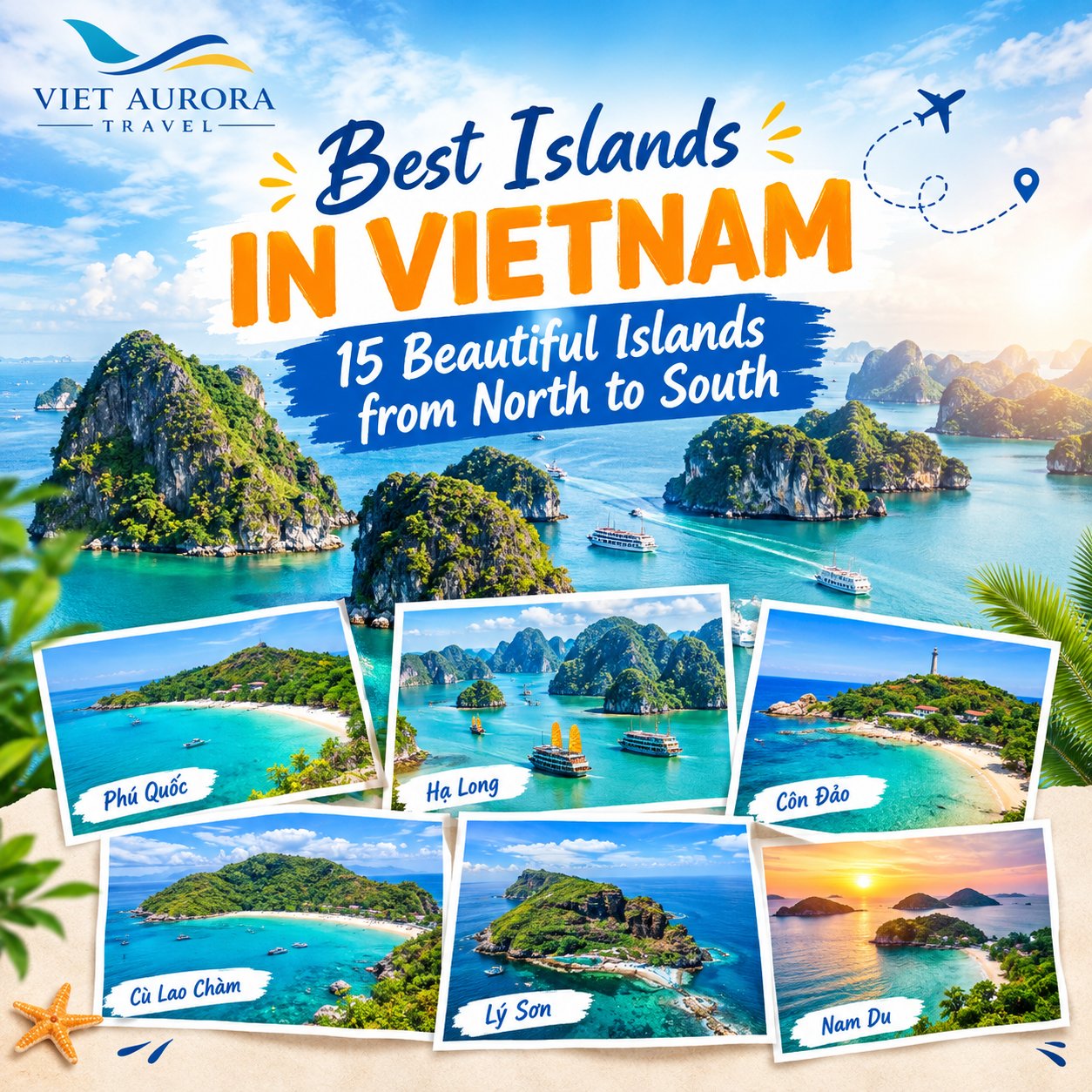
Best Islands in Vietnam: 15 Beautiful Islands from North to South
Vietnam's 3,000 km coastline is dotted with limestone islands, volcanic outposts, turtle-nesting archipelagos and quiet fishing communities. This guide helps you choose the right island for your trip, when to go, how to get there and how to add it to a wider journey through Vietnam.

Vietnam Vacations for Couples: Romantic Places, Itineraries & Tips
The best Vietnam vacations for couples are not the ones that tick off the most sights. They are the ones that leave room to slow down: a morning on a quiet bay, an evening under silk lanterns, a dinner with nowhere to rush to. This guide covers the most romantic places in Vietnam, itineraries from 5 to 14 days, the best months to go, where to stay and what it costs, so you can plan a trip that suits the two of you. Explore more of Vietnam with Viet Aurora Trave
.png "Best Places to Visit in Vietnam: 15 Must-See Destinations by Region")
Best Places to Visit in Vietnam: 15 Must-See Destinations by Region
Stretching over 3,000 km from the northern mountains to the southern Mekong Delta, Vietnam packs a surprising range of experiences into one trip. This guide to the best places to visit in Vietnam covers 15 top destinations across the north, center and south, with the best time to go, how long to stay, and how to combine them into an itinerary that fits your time and style. Whether it is your first visit or your fifth, you will find a clear way to decide where to go. Explore more with Viet Aurora Travel.


