
Discover Angkor Wat: The Heart of an Ancient Khmer Empire
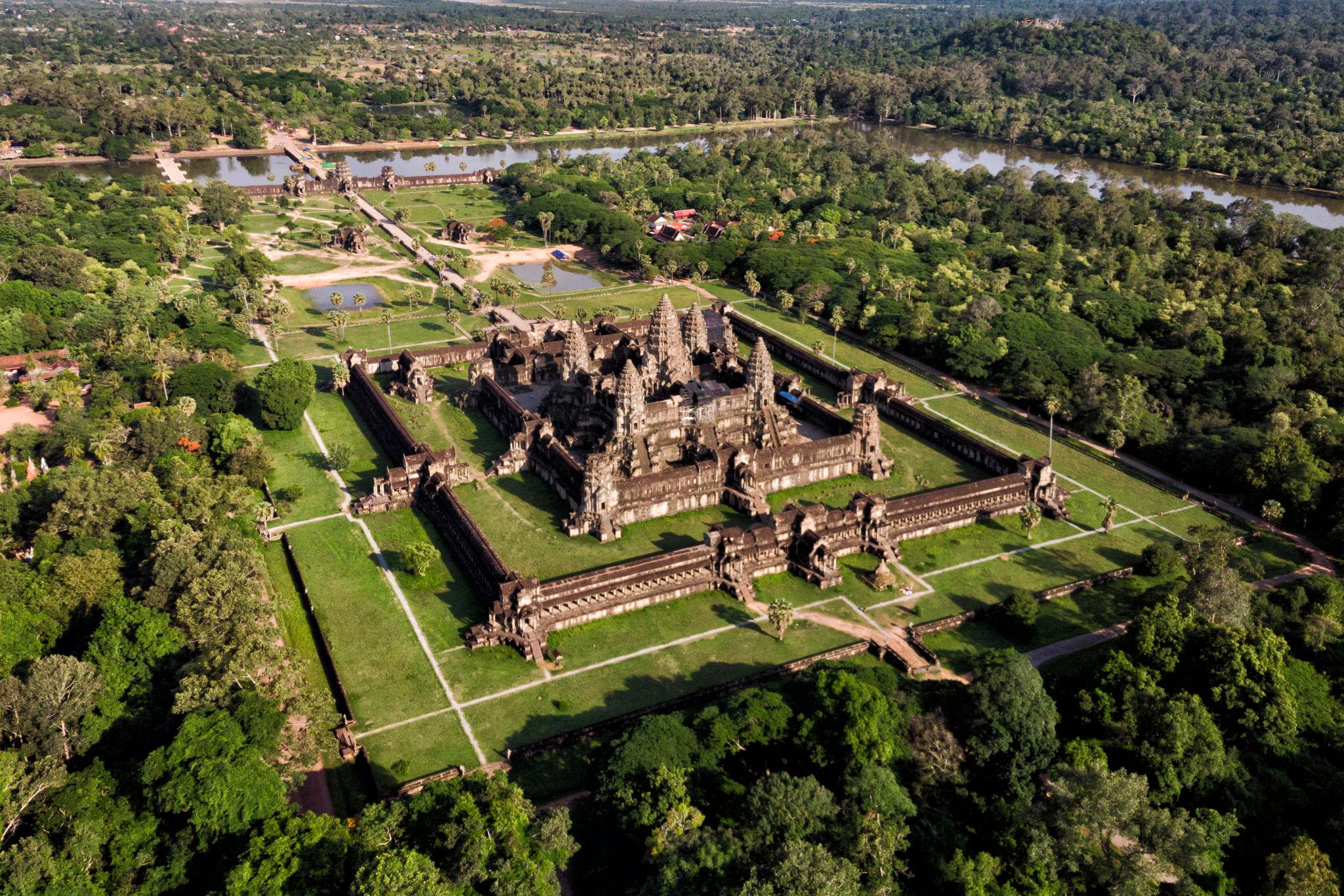
Just a few kilometers from Siem Reap, Angkor Wat invites visitors to step into the heart of Cambodia’s rich history. As a UNESCO World Heritage Site and one of the most important archaeological complexes in the world, it offers a fascinating glimpse into the grandeur of the ancient Khmer Empire.
The vast Angkor complex includes both Angkor Wat, originally built as a state temple, and Angkor Thom, the former royal city. Together, they reflect the power and sophistication of Angkor, once among the largest medieval urban centers on Earth.
Angkor Wat
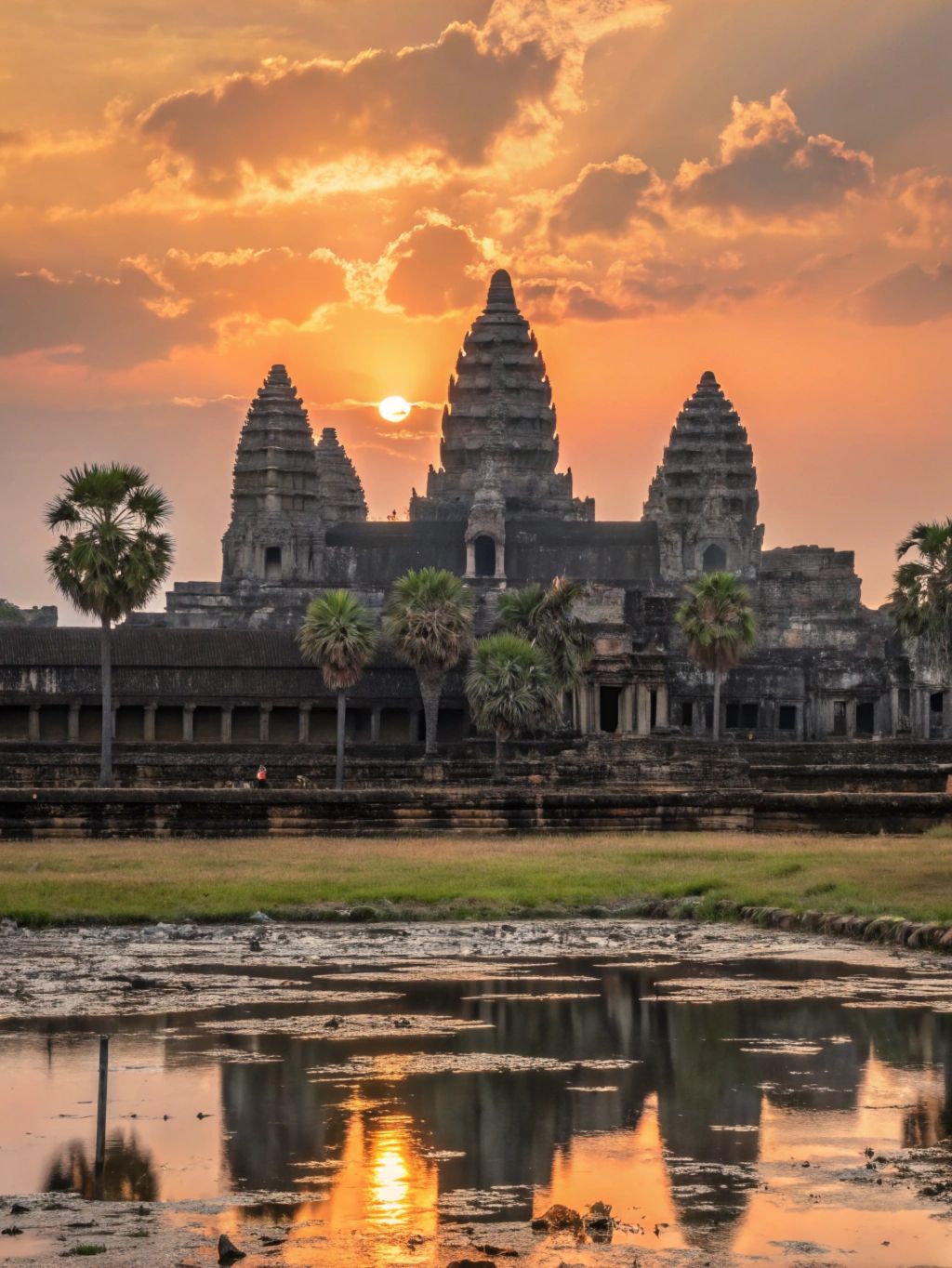
Built primarily from sandstone quarried from nearby Mount Kulen, Angkor Wat was designed to endure for centuries and remains one of the greatest architectural achievements of the Khmer Empire. While the temple’s stone surfaces appear gray today, historians believe it was once adorned with vibrant colors. Traces of red pigment can still be found on some sections, while evidence suggests that the walls were originally painted white and the roofs covered in gold, creating a truly magnificent spectacle.
Angkor Wat is also renowned for its remarkable collection of 1,832 devatas, or apsaras, carved throughout the temple. Depicted with intricate jewelry, elaborate headdresses, and graceful attire, these celestial figures reflect the sophistication of Khmer artistry. In Hindu and Buddhist traditions, apsaras are heavenly dancers whose beauty and elegance symbolize the spiritual and cultural richness of the ancient Khmer civilization.
Angkor Thom
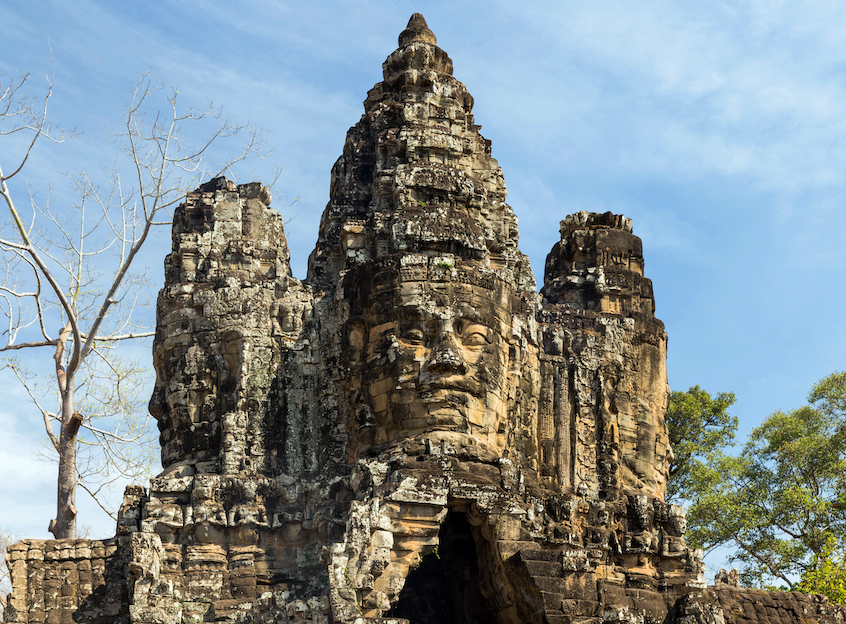
Bayon is the iconic temple at the heart of Angkor Thom, best known for its towering stone faces that gaze calmly in every direction. Its 49 towers, adorned with serene and enigmatic smiles, create one of the most distinctive images of the Angkor complex. Blending Khmer, Hindu, and regional influences, the temple reflects the spiritual and cultural diversity of the Khmer Empire and is believed to have served as an important religious and ceremonial center.
Nearby, the impressive Elephant Terrace stretches for nearly 300 meters and showcases some of Angkor Thom’s finest carvings. Its walls are decorated with detailed scenes of elephant processions, mythical Garudas, and majestic lions. Among the most remarkable features are the life-sized elephant sculptures at the northern end of the terrace, demonstrating the exceptional craftsmanship of Khmer artists.
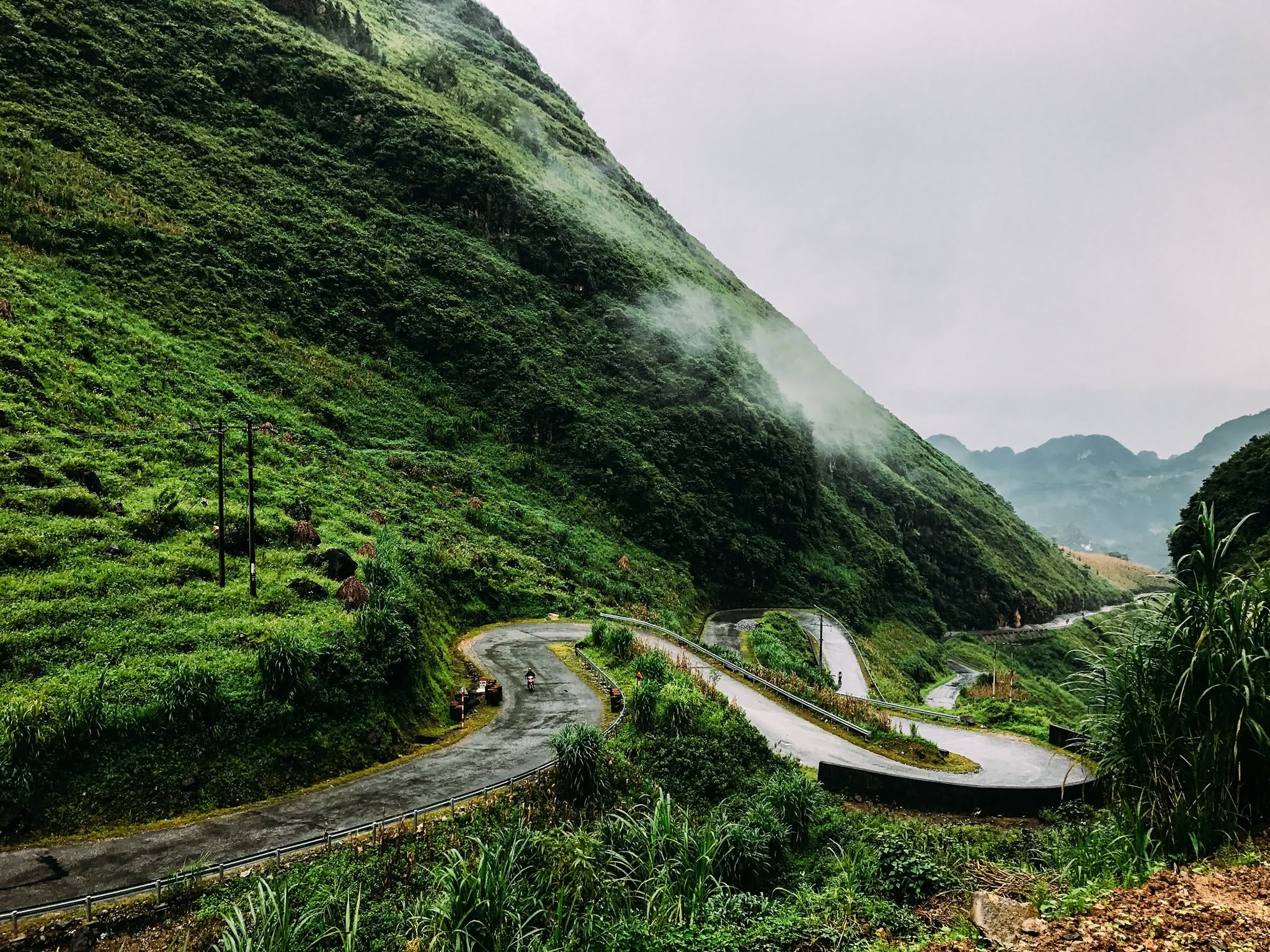
Ha Giang Loop: Vietnam's Ultimate Road Trip Adventure
Discover the Ha Giang Loop, Vietnam's most spectacular road trip. Explore Ma Pi Leng Pass, Dong Van, Nho Que River, and ethnic minority villages with our complete travel guide.
Lorem ipsum dolor sit amet, consectetur adipiscing elit. Mauris lobortis, nonimper diet est. Praesent vulputate at enim sit amet mattis.
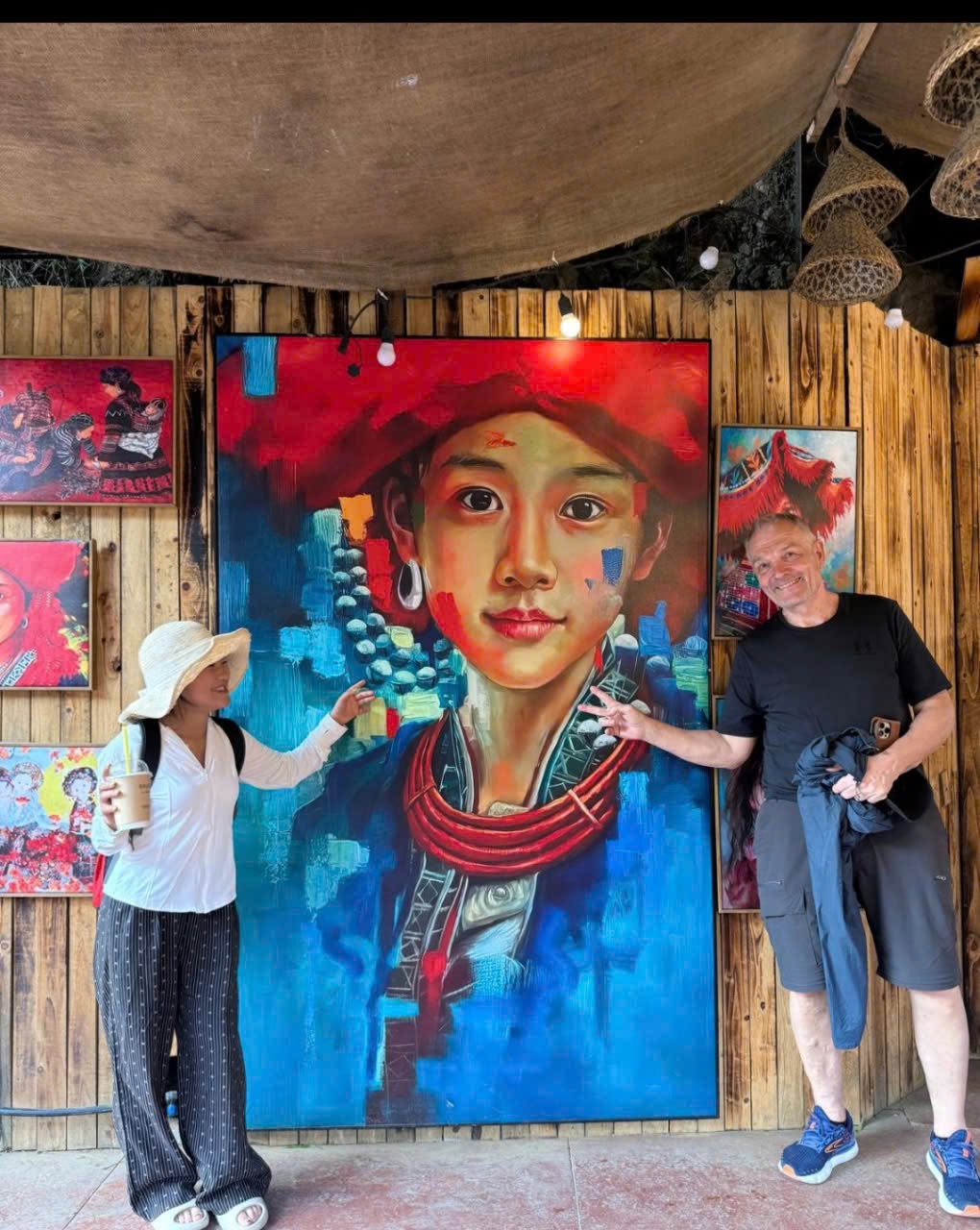
10 Traditional Ethnic Markets in Vietnam for an Authentic Cultural Experience
Discover the top 10 ethnic markets in Vietnam, from Bac Ha to Meo Vac, where colorful traditions, local culture, and authentic mountain life come together.
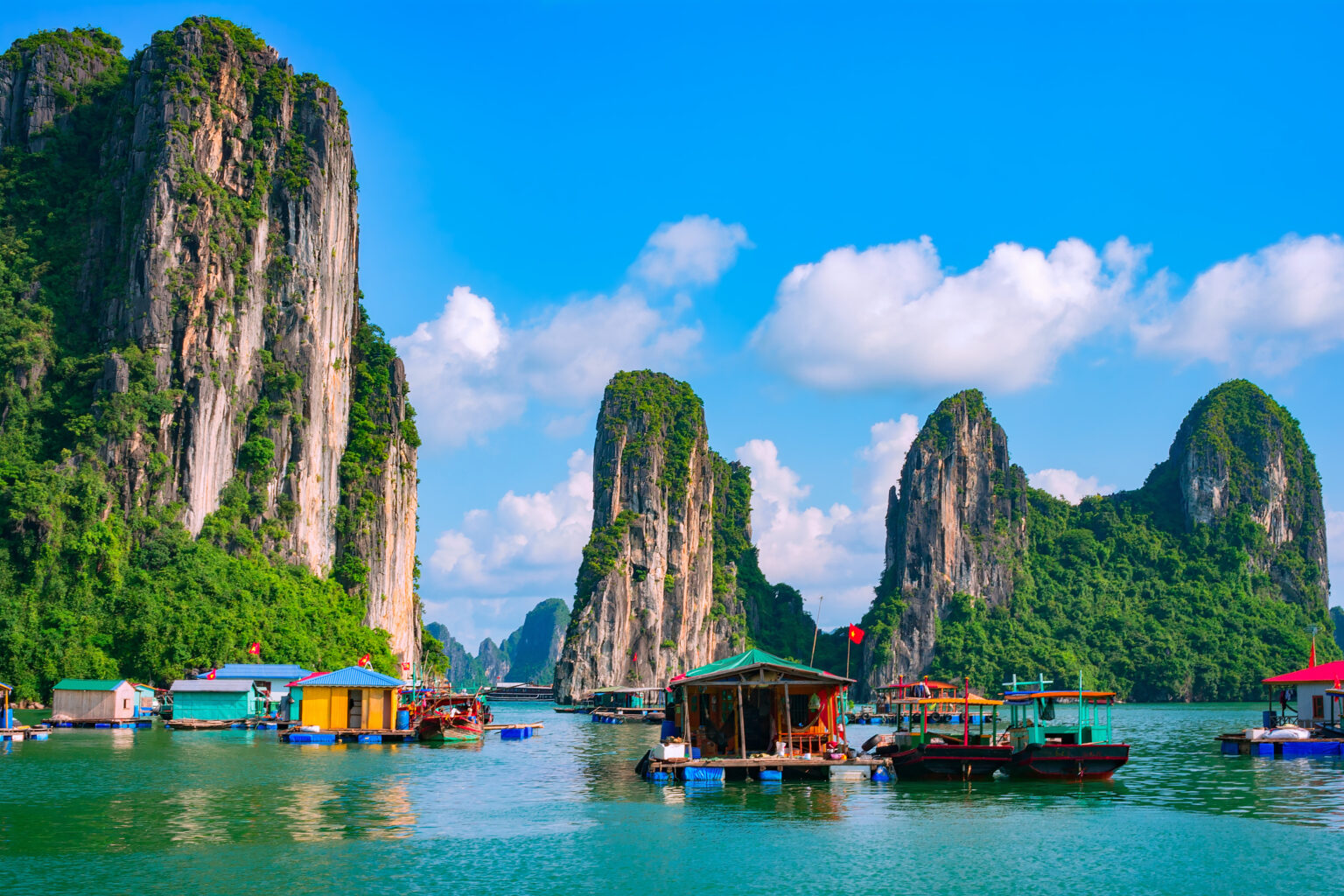
Why Vietnam Should Be on Your 2026 Travel List
Vietnam Travel Guide 2026: Everything You Need to Know Before You Go
Vietnam has become one of the most exciting destinations in Southeast Asia, attracting millions of international visitors each year. Known for its breathtaking landscapes, rich cultural heritage, delicious cuisine, welcoming locals, and affordable travel costs, Vietnam offers unforgettable experiences for every type of traveler.
Whether you're planning your first trip or returning to explore more of this fascinating country, this Vietnam Travel Guide 2026 covers everything you need to know before you go.
Why Visit Vietnam in 2026?
Vietnam offers an incredible combination of natural beauty, vibrant cities, ancient history, and authentic cultural experiences. From the emerald waters of Ha Long Bay to the lantern-lit streets of Hoi An and the tropical beaches of Phu Quoc, travelers can enjoy a wide variety of experiences within a single journey.
Reasons to visit Vietnam in 2026:
Stunning UNESCO World Heritage Sites
World-famous Vietnamese cuisine
Luxury travel at affordable prices
Beautiful beaches and islands
Authentic cultural experiences
Friendly and welcoming locals
Easy connections with Cambodia, Laos, and Thailand
Vietnam is also one of the best-value destinations in Asia, making it ideal for couples, families, solo travelers, and luxury seekers alike.
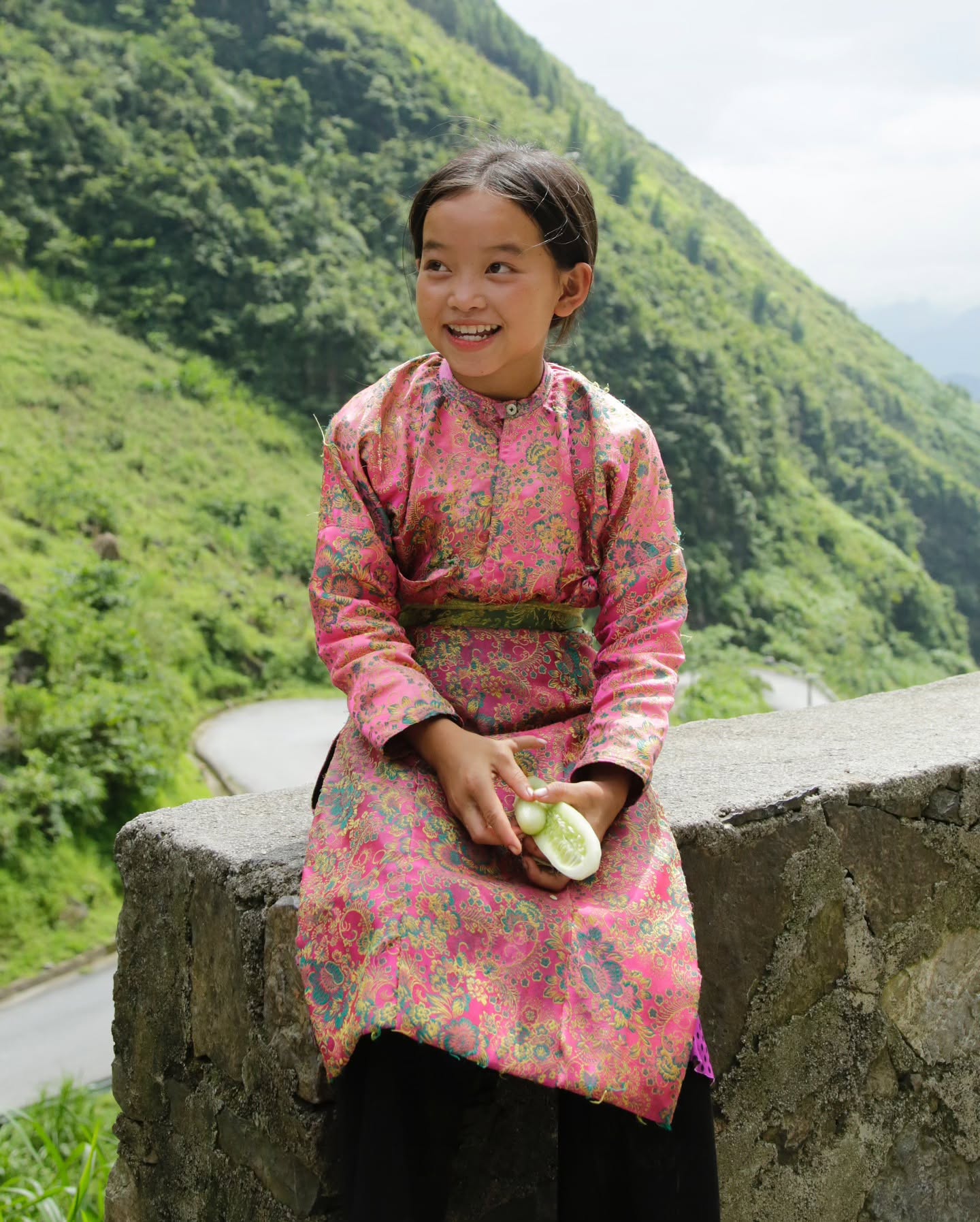
20 Vietnam Bucket List Experiences You Must Try in 2026
Discover 20 unforgettable Vietnam bucket list experiences, from cruising Ha Long Bay and conquering the Ha Giang Loop to exploring Hoi An, Sapa, and Phu Quoc.
Vietnam is a country of extraordinary contrasts, where ancient traditions blend seamlessly with modern life, and breathtaking natural landscapes meet vibrant cities. Whether you're a first-time visitor or a seasoned traveler, Vietnam offers countless experiences that deserve a place on your travel bucket list.
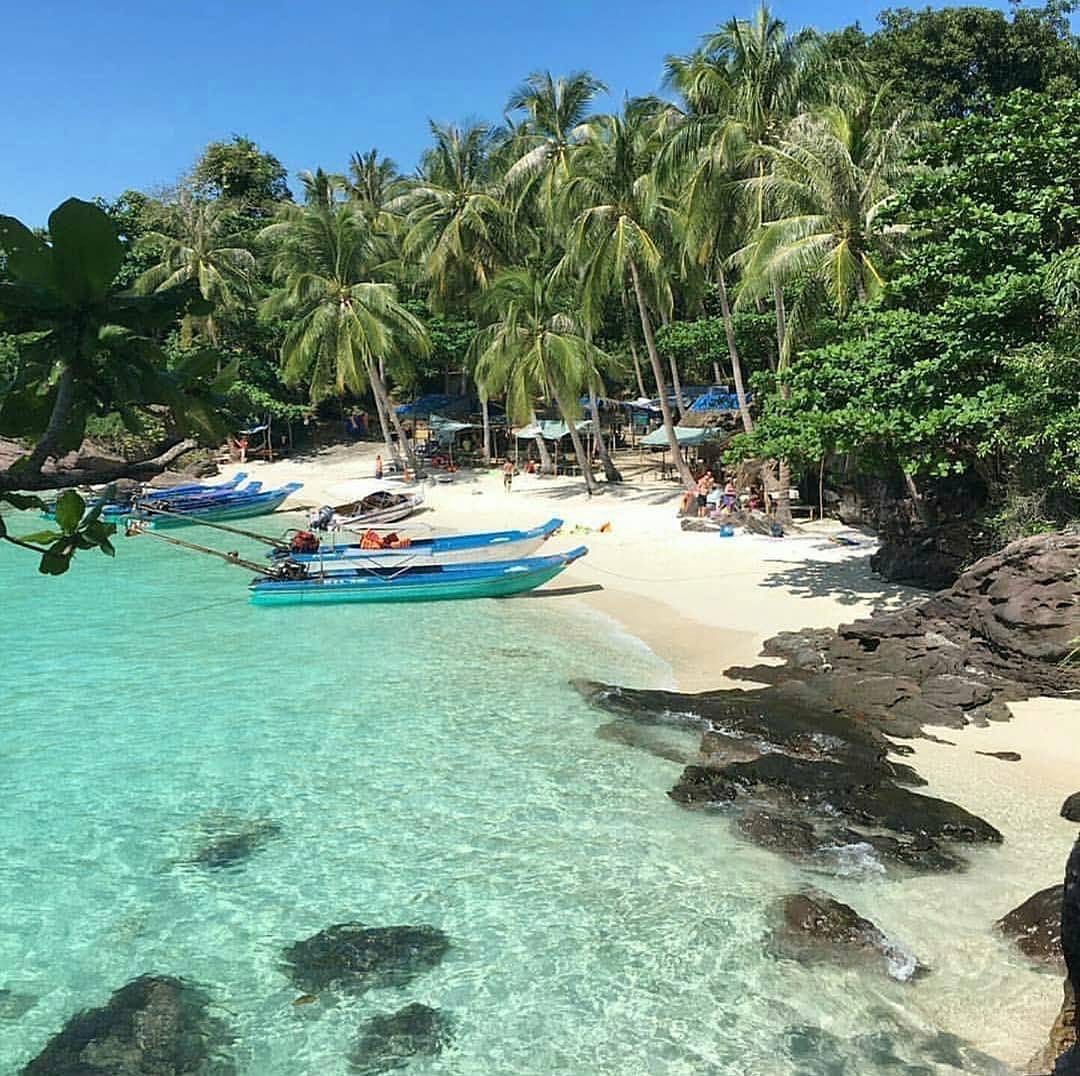
Phu Quoc Island -The Perfect Beach Escape in Vietnam
Discover Phu Quoc Island, Vietnam's tropical paradise. Explore the best beaches, attractions, luxury resorts, island tours, and travel tips in this complete Phu Quoc Travel Guide.
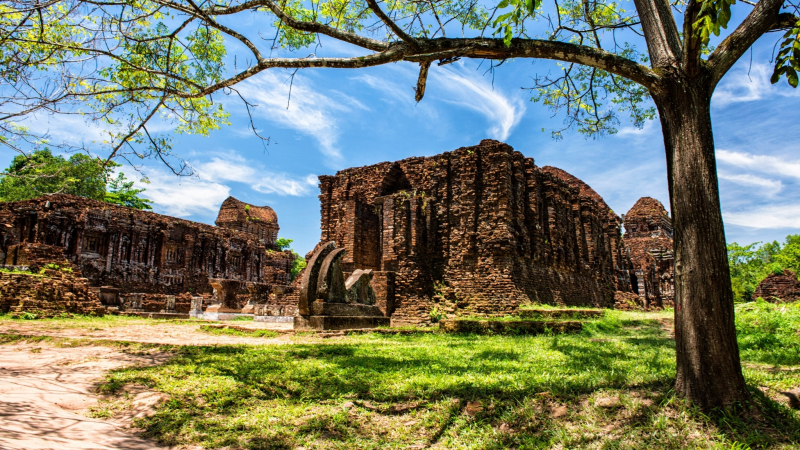
Explore Southeast Asia: Private Tours Across Vietnam, Cambodia, Laos and Thailand
Discover the best Southeast Asia tours featuring Vietnam, Cambodia, Laos, and Thailand. Explore top destinations, travel itineraries, cultural experiences, and expert travel tips.
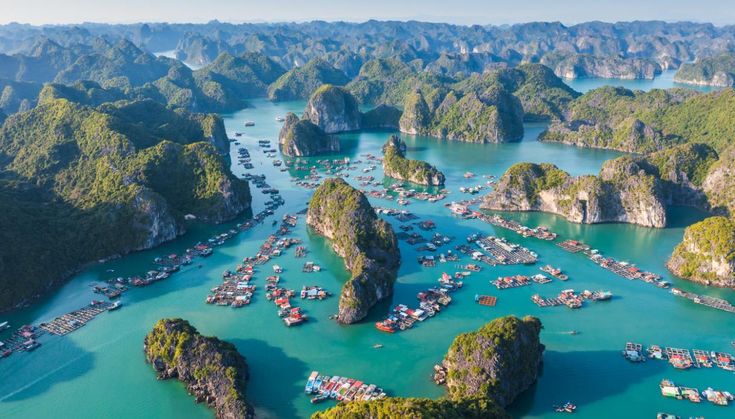
Top Luxury Halong Bay Cruises for an Unforgettable Experience
Discover the top Ha long Bay cruises, from luxury overnight cruises to family-friendly experiences
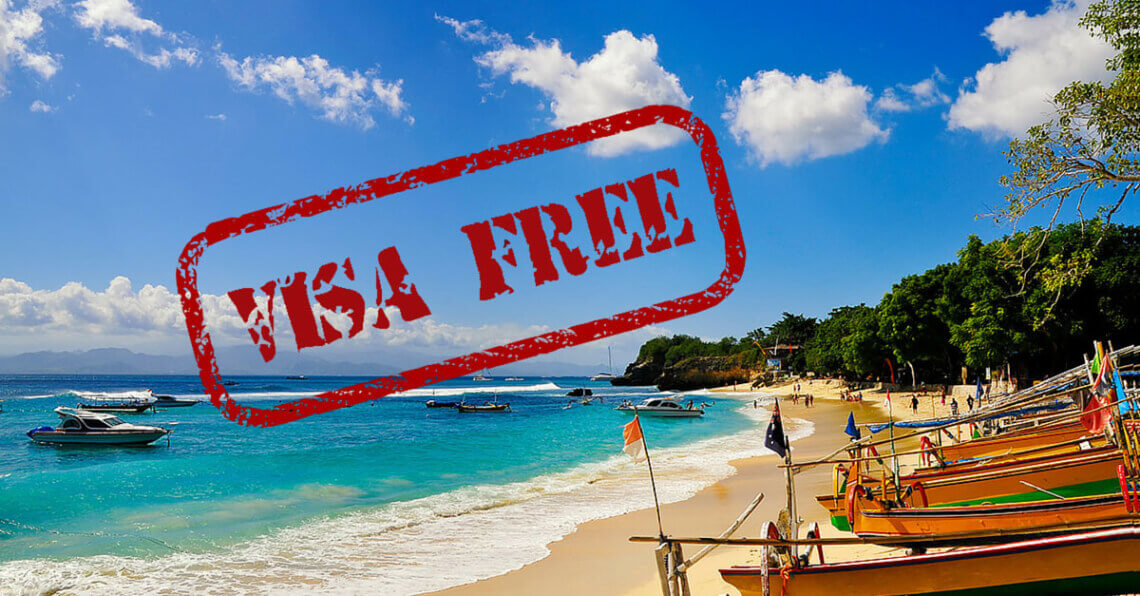
Phu Quoc Visa Exemption: 30-Day Visa-Free Entry for International Travelers
International travelers holding foreign passports can visit Phu Quoc Island visa-free for up to 30 days
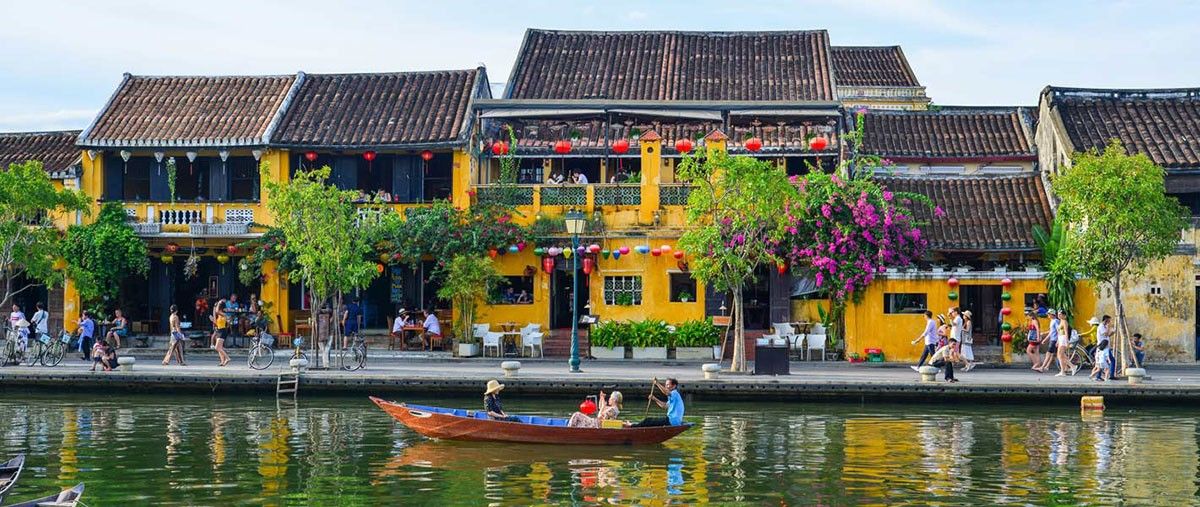
Hoi An Ancient Town: A UNESCO World Heritage Site and Model of Cultural Preservation
Since being listed as a UNESCO World Heritage Site in 1999, Hoi An has successfully balanced cultural preservation and tourism development
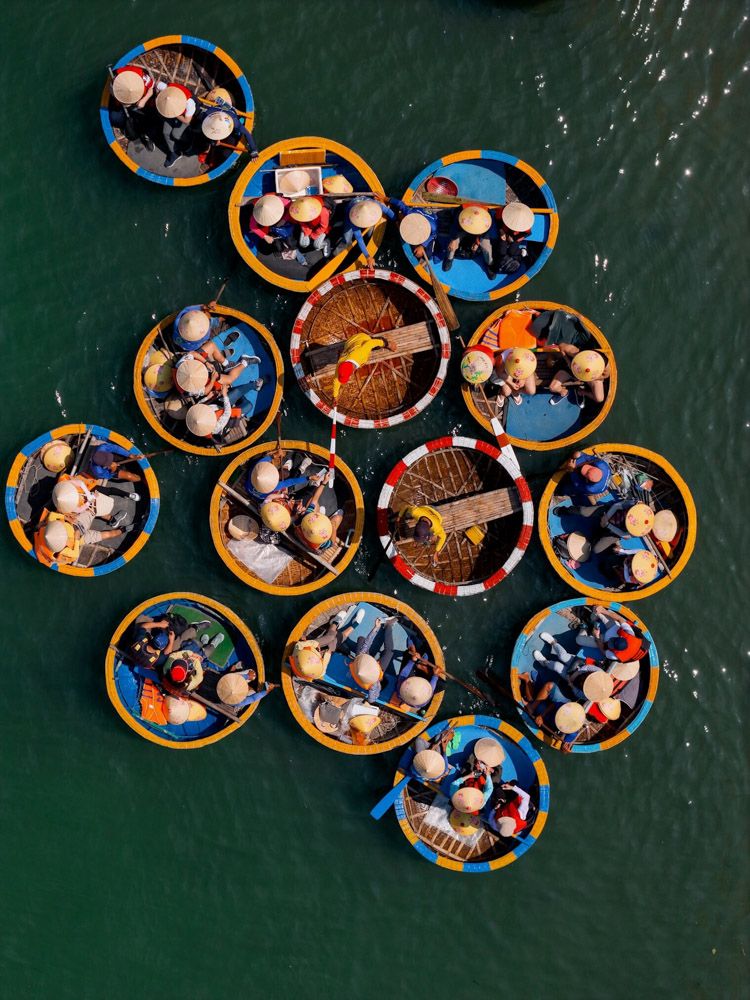
Three Vietnamese destinations among Asia’s top attractions: Tripadvisor
Hoi An Ancient Town, War Remnants Museum, and Cu Chi Tunnels have been ranked among Asia’s top at
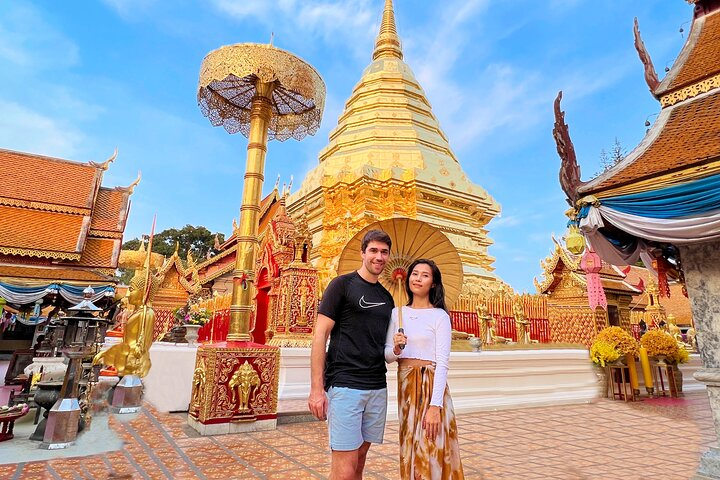
Thailand: The Destination That Keeps Winning Travelers’ Hearts
From breathtaking landscapes and vibrant culture to delicious food and exceptional hospitality, Thailand offers an unforgettable travel experience that keeps attracting millions of visitors year after year
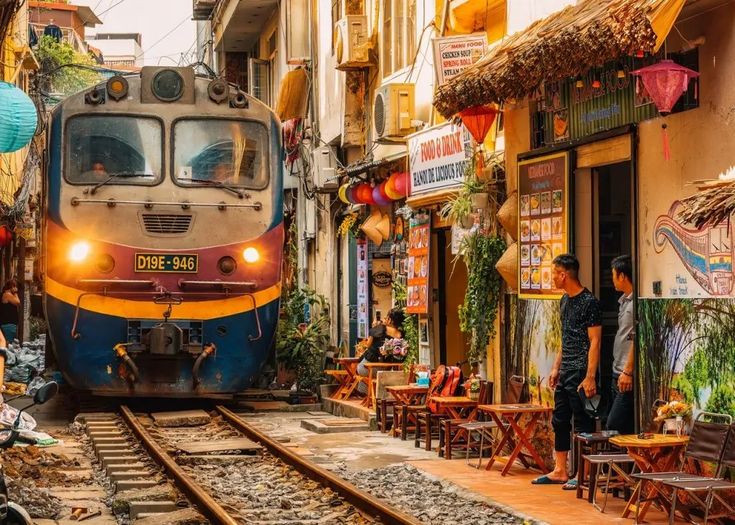
Complete Hanoi Travel Guide-Best Things to Do, Food and Attractions
Planning a trip to Hanoi? Discover the best attractions, street food, travel tips, itineraries, and places to stay in our complete Hanoi Tra
Hanoi or Ho Chi Minh City for Your First Trip to Vietnam?
Planning your first trip to Vietnam? Compare Hanoi and Ho Chi Minh City by culture, food, nightlife, attractions and nearby destinations to choose the best city.
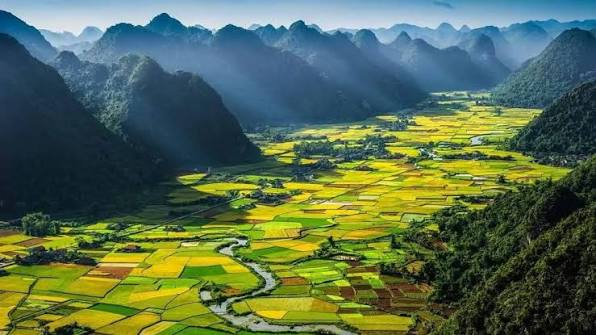
7 Days Vietnam Itinerary: The Perfect Luxury Escape
Đây là đoạn tổng hợp ngắn, phù hợp dùng làm **excerpt/short summary** cho bài viết:
Experience the best of Vietnam in seven days with a luxurious journey through Hanoi, Ha Long Bay, and Hoi An. Combining private sightseeing, 5-star stays, an overnight cruise, authentic culinary and cultural experiences, and relaxing moments, this itinerary offers a comfortable way to discover Vietnam. The journey can also be customized to suit your interests, pace, preferences, and budget.
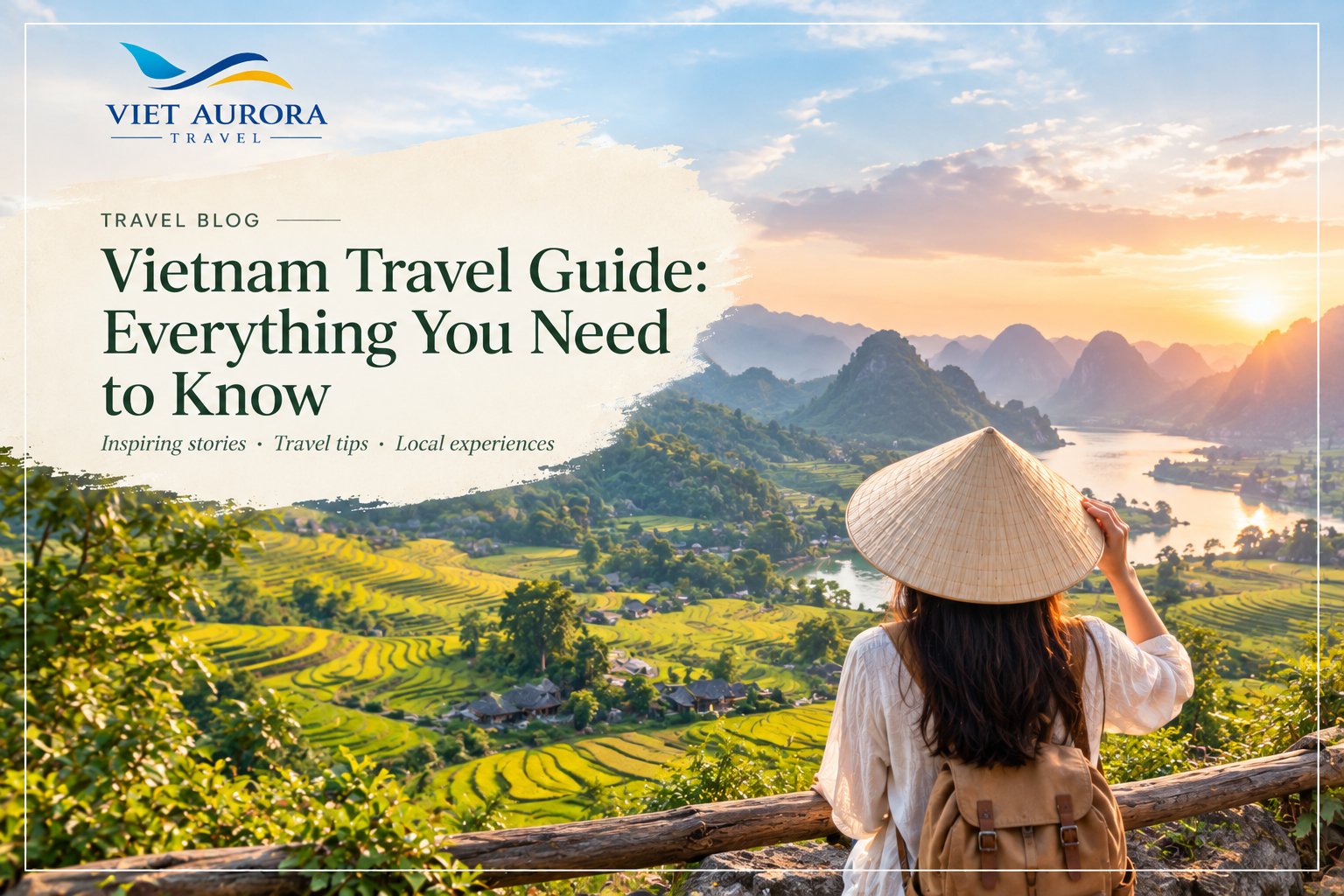
Vietnam Travel Guide: Plan Your Vietnam Trip
Vietnam travel offers a rich mix of diverse landscapes, cultural heritage, local cuisine, and authentic experiences. From choosing the best destinations and travel experiences to planning your itinerary, timing, transportation, and travel style, this guide covers everything you need to plan a memorable journey through Vietnam.
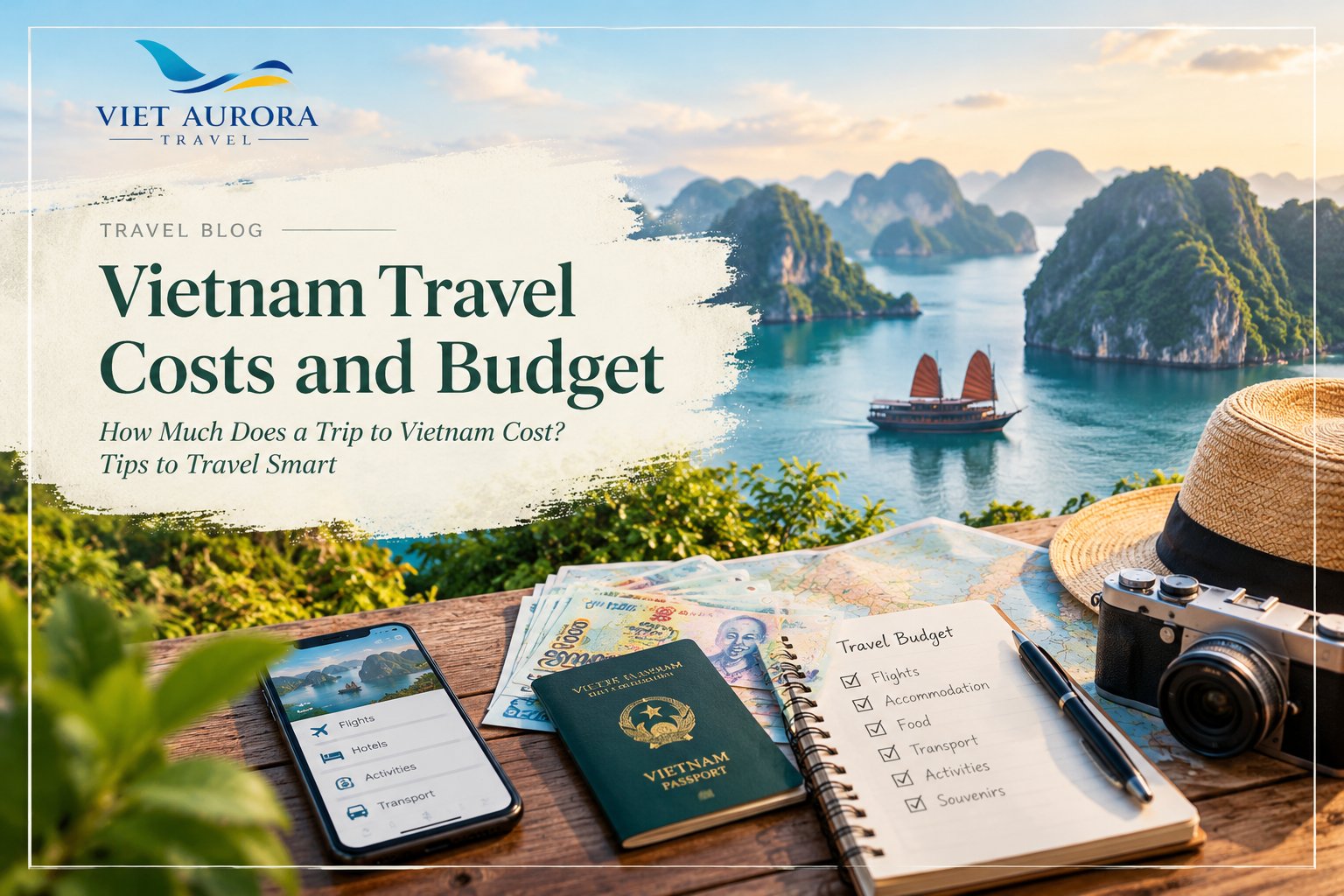
Vietnam Travel Costs and Budget
Planning a trip to Vietnam? This guide breaks down exactly what to expect in terms of travel costs in Vietnam, covering accommodation, food, transport, tours, visas and more across budget, mid-range and luxury travel styles. You'll find clear daily, weekly and monthly spending estimates, the key factors that drive prices up or down, practical money-saving tips, and a shortlist of top destinations worth visiting in 2026.
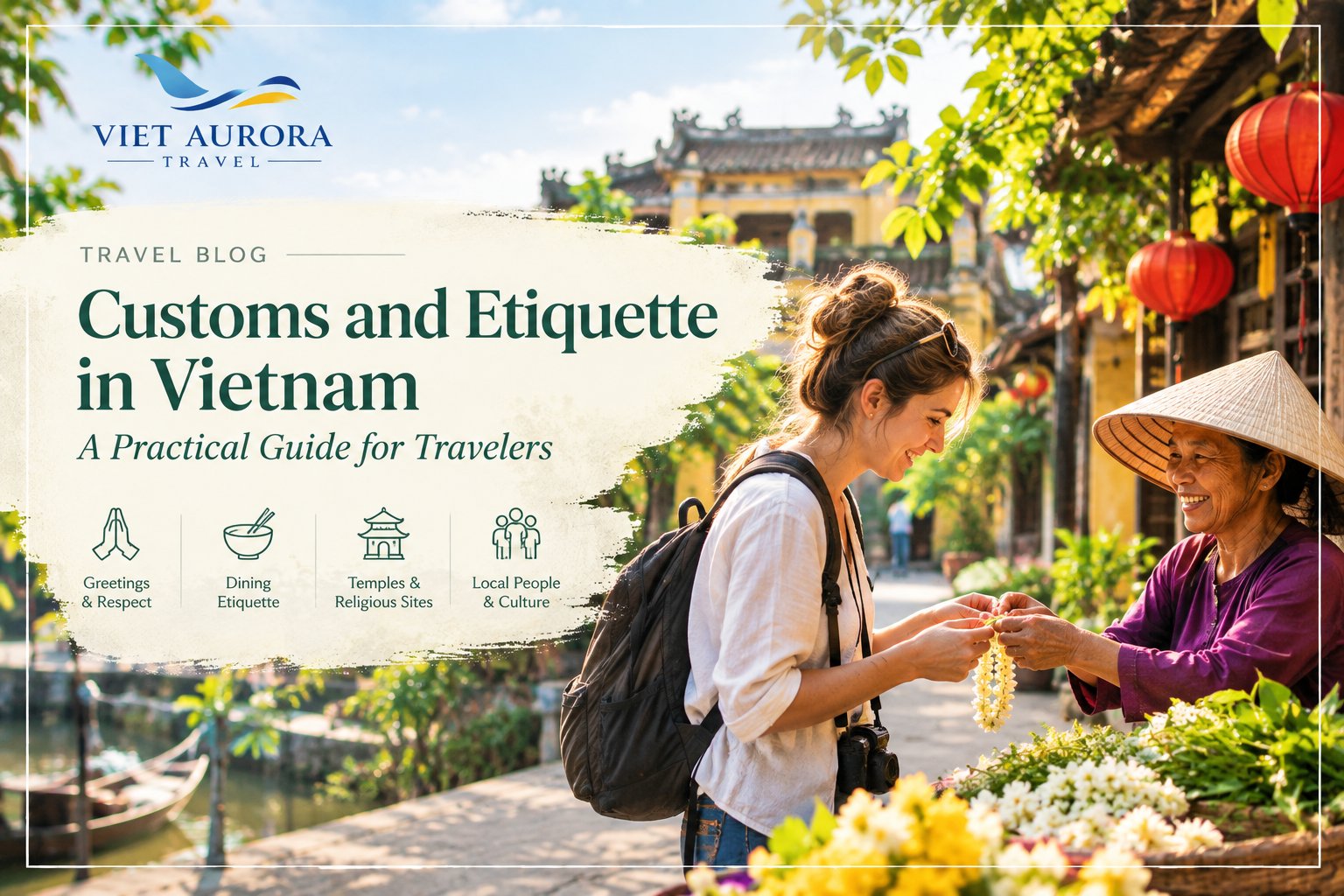
Customs and Etiquette in Vietnam: A Practical Guide for Travelers
Vietnamese people are famously warm and forgiving toward visitors, but a little cultural know-how goes a long way. This guide covers greetings, dining, temples, money, festivals and taboos, with the reasons behind each custom, so you can travel with confidence and connect more genuinely with the people you meet.
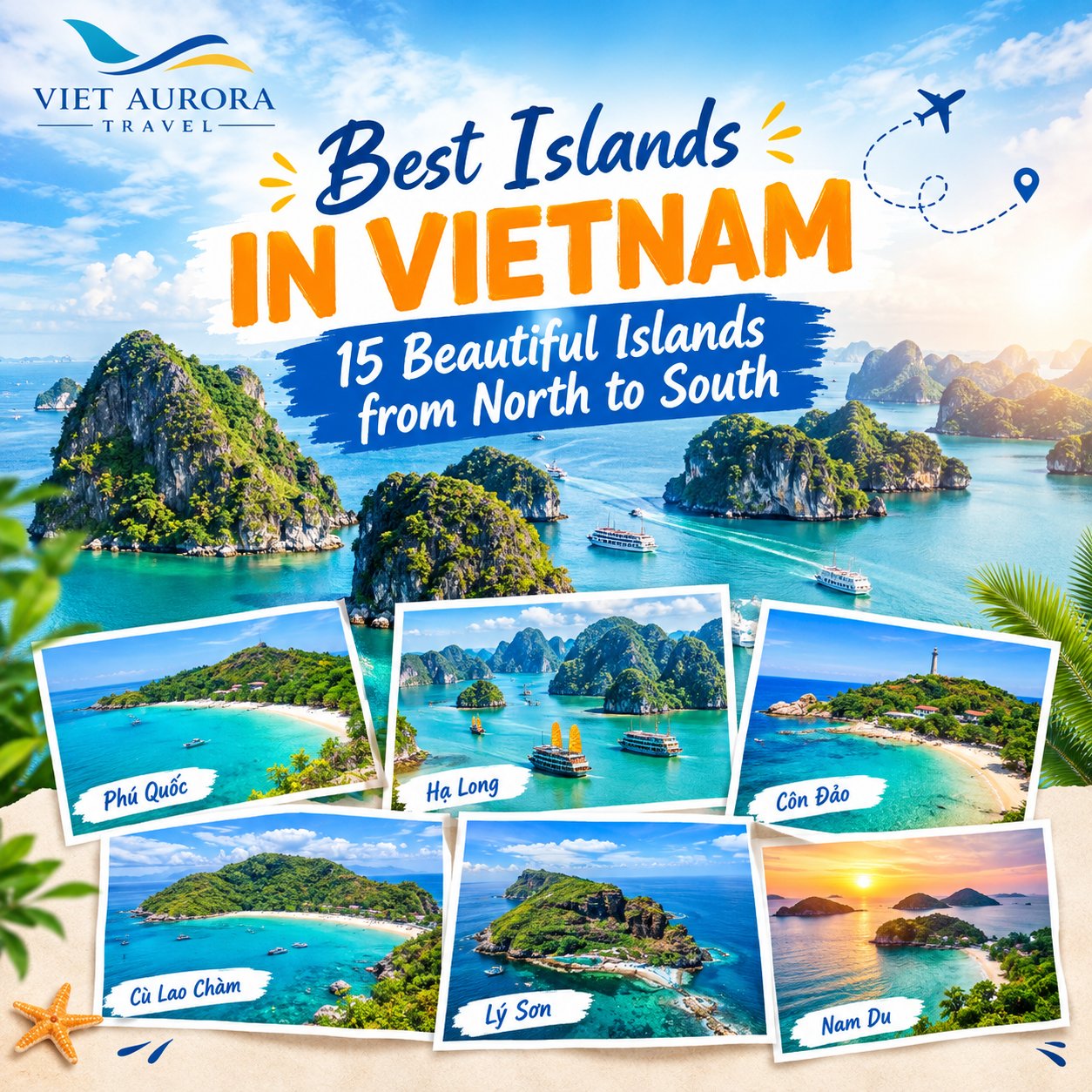
Best Islands in Vietnam: 15 Beautiful Islands from North to South
Vietnam's 3,000 km coastline is dotted with limestone islands, volcanic outposts, turtle-nesting archipelagos and quiet fishing communities. This guide helps you choose the right island for your trip, when to go, how to get there and how to add it to a wider journey through Vietnam.
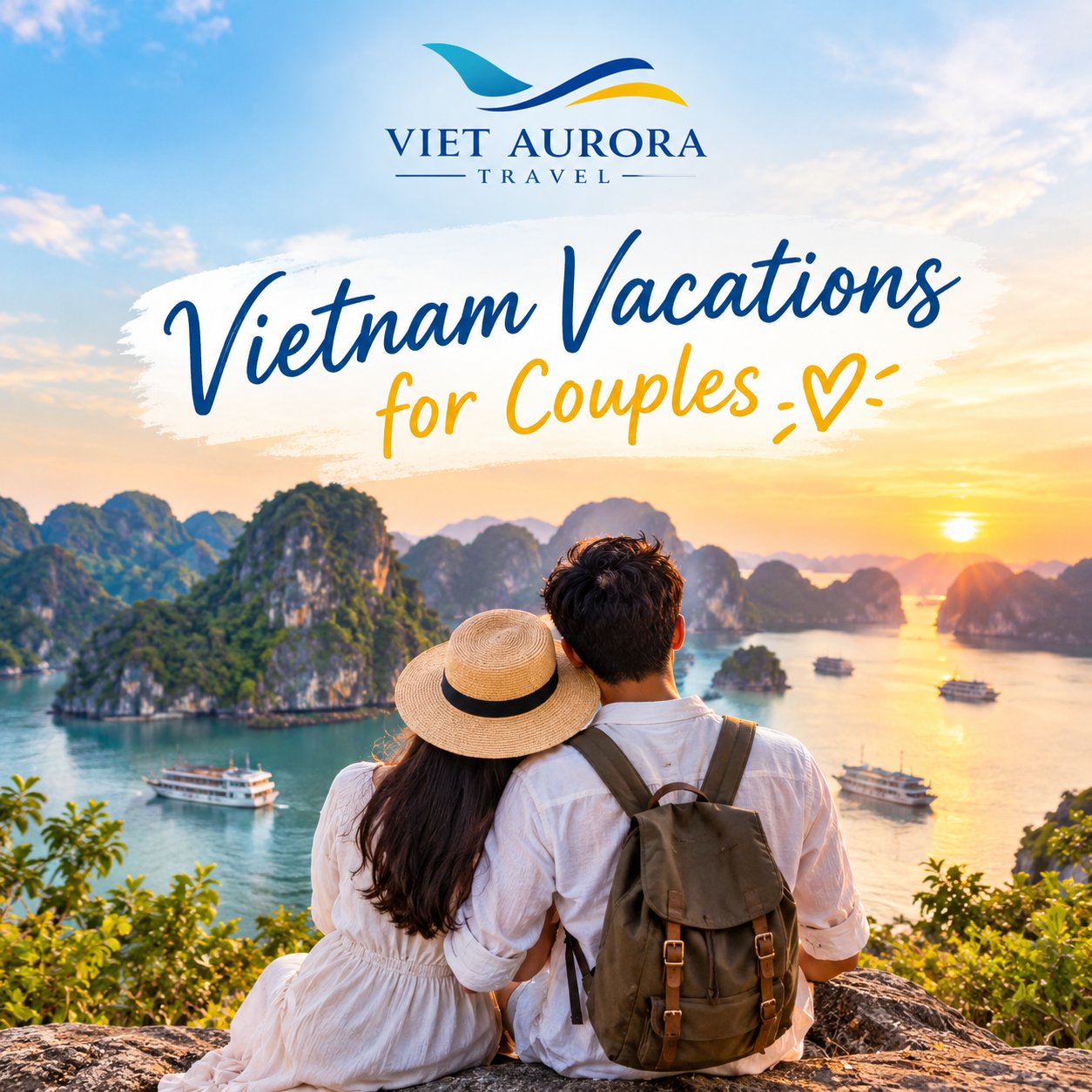
Vietnam Vacations for Couples: Romantic Places, Itineraries & Tips
The best Vietnam vacations for couples are not the ones that tick off the most sights. They are the ones that leave room to slow down: a morning on a quiet bay, an evening under silk lanterns, a dinner with nowhere to rush to. This guide covers the most romantic places in Vietnam, itineraries from 5 to 14 days, the best months to go, where to stay and what it costs, so you can plan a trip that suits the two of you. Explore more of Vietnam with Viet Aurora Trave
.png "Best Places to Visit in Vietnam: 15 Must-See Destinations by Region")
Best Places to Visit in Vietnam: 15 Must-See Destinations by Region
Stretching over 3,000 km from the northern mountains to the southern Mekong Delta, Vietnam packs a surprising range of experiences into one trip. This guide to the best places to visit in Vietnam covers 15 top destinations across the north, center and south, with the best time to go, how long to stay, and how to combine them into an itinerary that fits your time and style. Whether it is your first visit or your fifth, you will find a clear way to decide where to go. Explore more with Viet Aurora Travel.


