
Customs and Etiquette in Vietnam: A Practical Guide for Travelers
Vietnamese people are famously warm and forgiving toward visitors, but a little cultural know-how goes a long way. This guide covers greetings, dining, temples, money, festivals and taboos, with the reasons behind each custom, so you can travel in Vietnam with confidence and connect more genuinely with the people you meet. The following article by Viet Aurora Travel will help you gain a deeper understanding of the Vietnamese people.
Cheat Sheet: The 10 Things That Matter Most
Short on time? These ten habits will cover most situations. Each one is explained in detail further down.
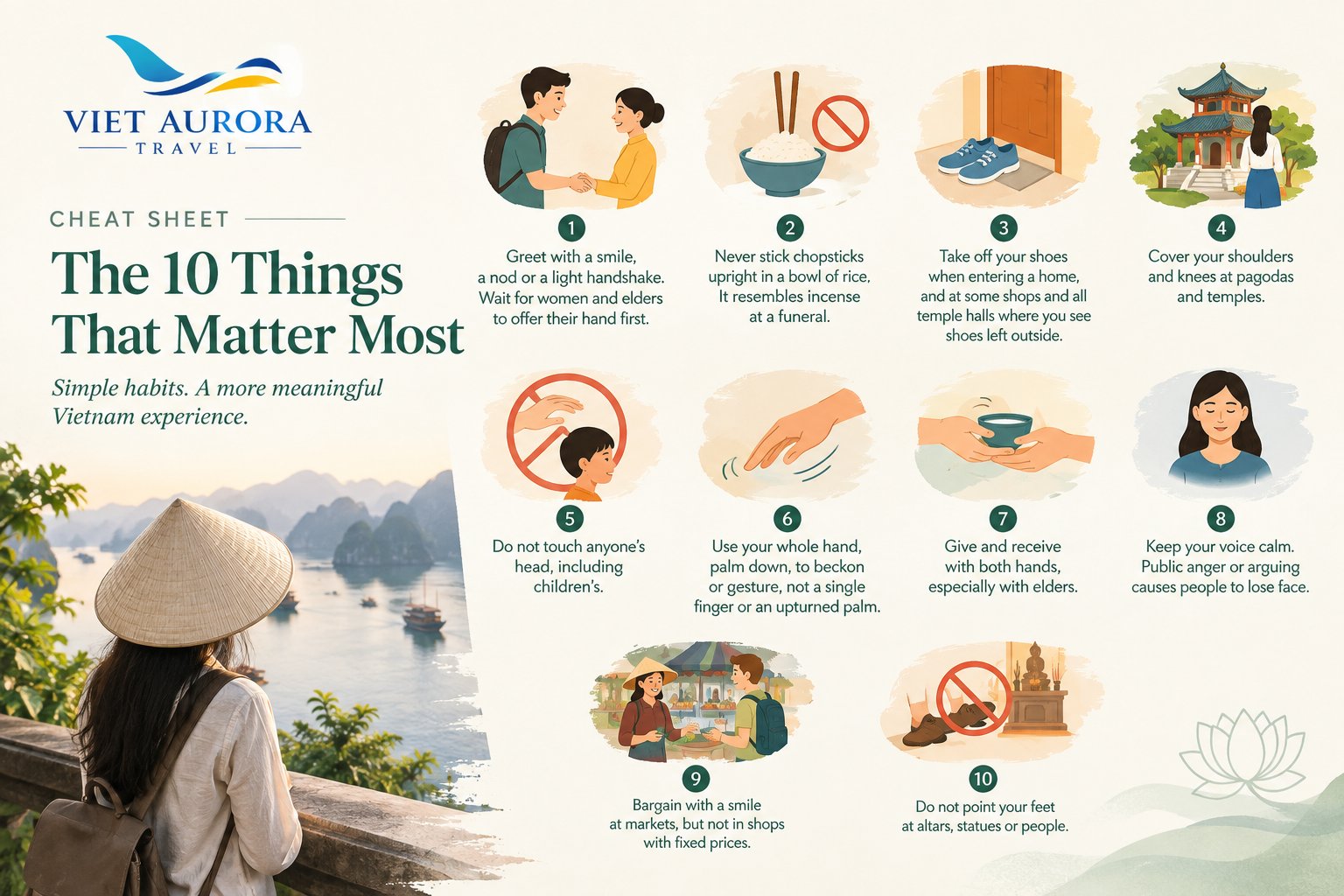
- Greet with a smile, a nod or a light handshake. Wait for women and elders to offer their hand first.
- Never stick chopsticks upright in a bowl of rice. It resembles incense at a funeral.
- Take off your shoes when entering a home, and at some shops and all temple halls where you see shoes left outside.
- Cover your shoulders and knees at pagodas and temples.
- Do not touch anyone's head, including children's.
- Use your whole hand, palm down, to beckon or gesture, not a single finger or an upturned palm.
- Give and receive with both hands, especially with elders.
- Keep your voice calm. Public anger or arguing causes people to lose face.
- Bargain with a smile at markets, but not in shops with fixed prices.
- Do not point your feet at altars, statues or people.
The 10 things that matter most
Why Vietnamese People Behave the Way They Do
Before the dos and don'ts, it helps to know the thinking behind them. A few core values explain most of what you will see, so understanding them makes the rules much easier to remember.
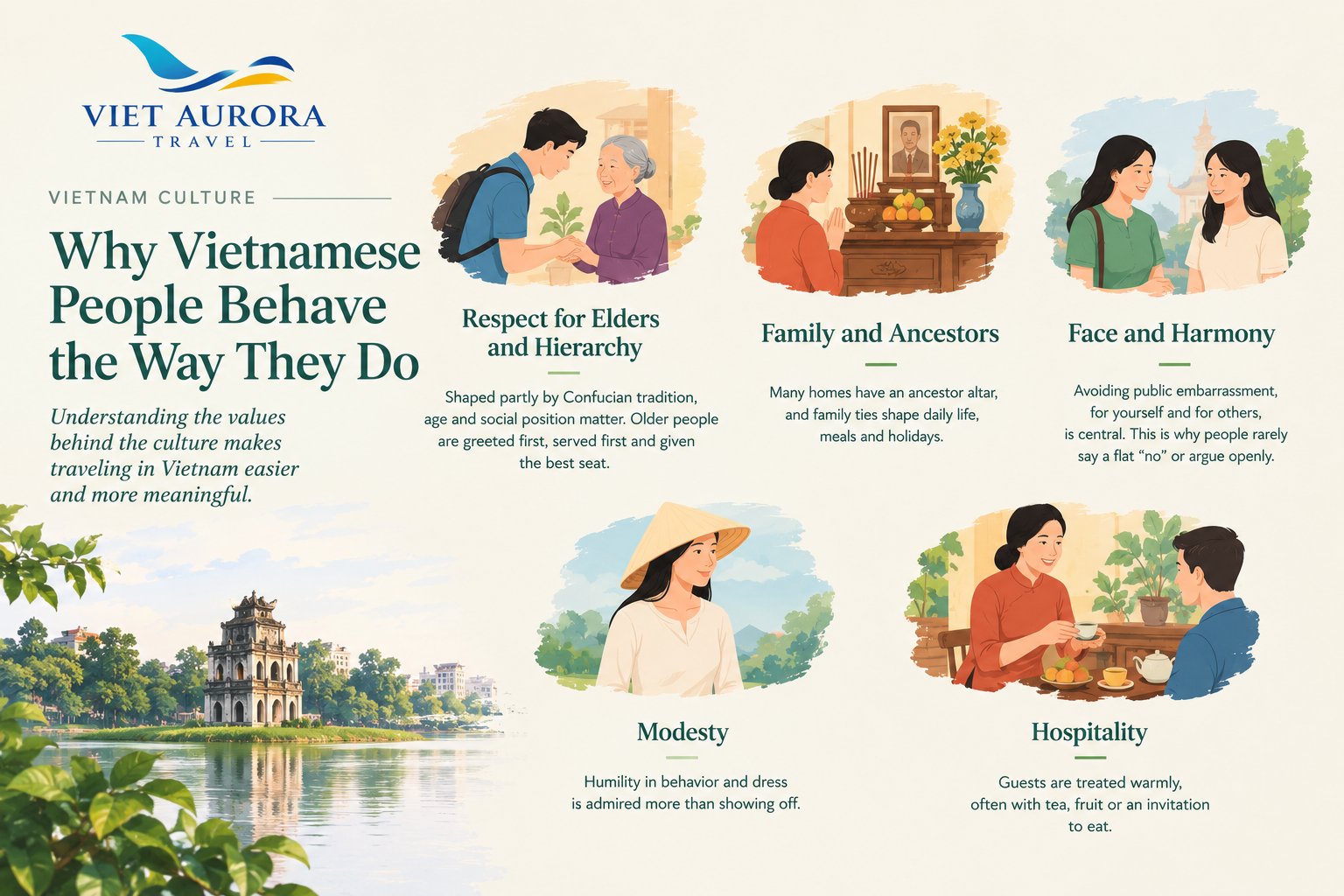
- Respect for elders and hierarchy. Shaped partly by Confucian tradition, age and social position matter. Older people are greeted first, served first and given the best seat.
- Family and ancestors. Many homes have an ancestor altar, and family ties shape daily life, meals and holidays.
- Face and harmony. Avoiding public embarrassment, for yourself and for others, is central. This is why people rarely say a flat "no" or argue openly.
- Modesty. Humility in behavior and dress is admired more than showing off.
- Hospitality. Guests are treated warmly, often with tea, fruit or an invitation to eat.
Keep these five ideas in mind and you will usually guess the right thing to do even in situations this guide does not cover. If you would like to go deeper, our guide to Vietnamese culture explores the history and traditions behind these values.
Greetings and How to Address People
Greetings are your first impression, and Vietnamese has a rich system of titles that can seem confusing at first. This section explains the basics and gives you a few phrases that are more than enough for a traveler.
Handshakes, nods and bows. A handshake is common, especially in business and tourism settings. Some people use two hands, or place the left hand under the right forearm, as a sign of respect. Let women and older people offer their hand first. If they do not, a smile and a slight nod are perfectly polite. The traditional gesture of pressing the palms together and bowing slightly is still seen, mostly toward elders, at temples and in formal situations.
Names and titles. Vietnamese names put the family name first. For "Nguyễn Văn An", the family name is Nguyễn and the given name is An. People are normally addressed by the given name plus a title, such as "Anh An" or "Chị Lan", not by the family name. If you are unsure, "Mr. An" or "Ms. Lan" works fine in English.
Pronouns show relationships. Vietnamese uses family terms instead of "you" and "I". A few you will hear often:
| Term | Used for |
| Anh | A young man or a man slightly older than you |
| Chị | A young woman or a woman slightly older than you |
| Em | Someone younger than you |
| Cô / Chú | A woman / man about your parents' age |
| Bà / Ông | An elderly woman / man |
Body Language and Gestures
Small physical habits are where visitors most often cause accidental offense. The good news is that only a handful matter, and they are easy to learn.
| Gesture | How it is perceived | What to do instead |
| Touching someone's head | The head is considered the highest, most sacred part of the body. Even patting a child can offend. | Smile or wave |
| Pointing with one finger | Can feel rude or accusatory | Gesture with an open hand |
| Beckoning with palm up and fingers curling | Used for animals or to summon inferiors | Wave with palm down, fingers moving toward you |
| Pointing feet at people, altars or statues | Feet are the lowest part of the body | Tuck feet under you or sit with feet to the side |
| Hands on hips | Can suggest anger or aggression | Keep arms relaxed |
| Crossing arms while talking to an elder | Can look arrogant | Keep hands in front or at your sides |
| Passing objects over someone's head | Disrespectful | Walk around, or pass at waist level |
Personal touch and affection. Casual physical contact between strangers of the opposite sex is uncommon, but this is a matter of habit, not a strict ban. In big cities, couples holding hands is normal. Kissing and heavy displays of affection are best avoided in public, especially in rural areas and near religious sites.
Dining Etiquette
Sharing a meal is the heart of Vietnamese hospitality, and the table is where etiquette shows most clearly. Whether you are at a street stall or a family dinner, these guidelines will help you eat comfortably and respectfully.
At Restaurants and Street Food Stalls
Food is often ordered for the whole table and shared. At street stalls, plastic stools and simple tables are the norm, and nobody expects formality. Napkins are usually tissue on the table and used ones can be dropped on the floor or in a bin at casual places. Follow what locals do. If you are not sure whether something is meant to be eaten, such as herbs, lime or chili on the side, just ask with a smile.
Chopsticks, Spoons and Bowls
Chopsticks are used for rice, noodles and most dishes, and a flat spoon is used for soup. A few points matter most:
- Never leave chopsticks standing upright in a bowl of rice. It resembles the incense sticks burned for the dead.
- Do not tap chopsticks on the bowl or use them to point at people.
- Lay chopsticks across your bowl or on the rest between bites, or when you are speaking or drinking.
- Lifting your bowl close to your mouth is normal, and so is eating rice this way.
- Use serving chopsticks or spoons for shared dishes if they are provided. If not, it is common to use your own, so simply follow those around you.
Eating in a Family Home
Family meals follow gentle rules of hierarchy. Wait to be shown where to sit. The eldest person is often served first, and it is polite to invite others before you begin. A common phrase is "Mời cả nhà ăn cơm" (roughly "Please, everyone, let's eat"). Offer food to others before serving yourself, and pass dishes with both hands.
Should you finish your plate? Advice online is contradictory, so here is the practical reality. There is no strict rule. Finishing the rice in your own bowl is seen as appreciating the food and avoiding waste, while leaving some of the shared dishes is perfectly normal. Hosts often keep refilling an empty bowl, so if you have had enough, say "Tôi no rồi, cảm ơn" and smile.
Drinking and Toasting
Drinking, particularly beer and rice wine, is a social ritual for many groups, especially at celebrations. Before drinking, people often clink glasses and say "Một, hai, ba, dô!" Pour drinks for others before yourself, and use both hands or support your right forearm when pouring for someone older. You can politely decline alcohol, and a friendly explanation is usually accepted.
Who Pays the Bill?
The person who invited usually pays, and guests may see friendly "fights" over the check. In general, it is polite to offer once or twice. Splitting the bill equally is becoming more common among younger people in cities, but do not assume it is the norm when dining with older hosts.
Tea and Vegetarian Days
Tea is often offered as a sign of welcome, so accept a cup even if you only take a sip. [Internal link: Vietnamese Tea Culture] Also note that on the 1st and 15th day of the lunar month, some Buddhist families and many temple restaurants eat vegetarian. If you are eating with a devout family on those days, expect meat-free dishes.
Visiting a Vietnamese Home
Being invited into a Vietnamese home is a genuine honor, and it is where good manners are most appreciated. The customs below are simple and make an excellent impression.
- Take off your shoes at the door unless the host insists you keep them on.
- Bring a small gift. Fruit, sweets, tea or flowers are suitable. Give it with both hands and expect the host to receive it modestly, sometimes declining once or twice before accepting.
- Be careful with what you choose. Avoid handkerchiefs (linked with tears and parting), anything predominantly black, and yellow or white chrysanthemums, which are associated with funerals. Sharp objects such as knives may be seen as symbolizing "cutting" a relationship.
- Respect the ancestor altar. Do not touch it, point your feet toward it, or place items on it.
- Wait to be offered a seat, and take a little of whatever is offered, even if only a small portion.
- Compliment the home and food, but do not be surprised if the host modestly plays it down. Modesty is part of the etiquette.
Temples, Pagodas and Sacred Sites
Temples are among the most beautiful places to visit in Vietnam, and they are living places of worship, not just attractions. This section covers how to behave so you can visit comfortably and respectfully.
Dress modestly. Cover your shoulders and knees. Avoid tank tops, short shorts, short skirts and see-through or very tight clothing. A light scarf or shawl in your bag helps.
Behave quietly. Speak softly, silence your phone, and take off hats and sunglasses before entering the main hall. Remove shoes if you see others leaving theirs at the door. Slip-on sandals make this easy.
Mind your body language. Do not point your feet at altars or statues. Do not touch statues, and do not touch monks or nuns, including their heads. Women should avoid initiating physical contact with monks.
Offerings and incense. Making an offering is optional for visitors. If you would like to donate, place a small amount in the donation box. If you choose to light incense, watch what worshippers do and copy them.
Photography. Photographing the exterior is normally fine. Inside, look for signs, and always ask before photographing monks or worshippers.
Not every sacred site is Buddhist. Vietnam is home to a mix of traditions:
Vietnam is home to a mix of traditions, and you will meet them in different places:
- Buddhist pagodas and Taoist or folk temples are the most common, from the old quarter pagodas of Hanoi to Thien Hau Temple in Ho Chi Minh City and the royal-era pagodas around Hue.
- Catholic churches are found across the country, and normal church etiquette applies.
- Cao Dai temples, notably the Holy See in Tay Ninh, have ceremonies where visitors can watch from designated areas.
- Cham towers and mosques in central and southern Vietnam are places of worship for Hindu and Muslim communities, and dress and behavior guidelines should be followed.
Money Matters: Tipping, Bargaining and Paying
Money can be a source of confusion, mostly because habits differ between fixed-price and negotiable settings. Here is how to handle the most common situations gracefully.
Tipping. Tipping is not compulsory in Vietnam, but it is appreciated. Many upscale restaurants and hotels add a service charge, so check the bill first. Elsewhere, rounding up the bill or leaving a small amount for good service is welcome. Tour guides and drivers usually receive tips as a way to say thanks, and the amount is up to you. Since expectations change, ask your tour operator for current norms.
Bargaining. Haggling is normal at markets, with street vendors and for some souvenirs. Keep it friendly:
- Smile, stay relaxed, and treat it as a game.
- Ask the price, make a lower offer, and meet somewhere in the middle. As a rough guide, many travelers start noticeably below the asking price.
- Do not bargain in supermarkets, restaurants with menus, or shops with clear price tags.
- If you cannot agree, walk away politely. Never argue heatedly.
Paying. Cash is still common at markets and street stalls, while cards and QR payments are widely used in cities. Give and receive money with both hands when dealing with older people.
Tet and Festivals: What to Know
Festivals are the best time to see Vietnamese culture, and also when local customs are strongest. If you are visiting during a major celebration, a few tips will help you enjoy it respectfully.
Tet (Lunar New Year). This is the most important holiday of the year, usually falling in late January or February. Families reunite, honor their ancestors and visit relatives. Many shops, restaurants and services close for several days, prices and transport demand rise, and cities can be quieter than usual. Some customs to know:
- Lì xì (lucky money): Red envelopes with money are given to children and elders as good wishes. Visitors are not expected to give them, but if you receive one, accept it with both hands and thanks.
- Xông đất: The first visitor to a home in the new year is believed to influence the family's fortune, so hosts often choose that person carefully. Avoid visiting on the first morning unless you are invited.
- Things to avoid: Many families avoid sweeping, breaking things or arguing during the first days of Tet.
Other celebrations. The Mid-Autumn Festival is a family-focused, lantern-filled event, especially fun for children. Vu Lan (Ghost Festival) is a time to honor parents and the dead, with temple ceremonies and offerings. As a visitor, you are welcome to watch and take part in public celebrations, but treat ceremonies with quiet respect.
Taboos and Superstitions
Some beliefs may seem unfamiliar, but they help explain why locals behave the way they do. Not everyone follows them strictly, particularly younger people, but knowing them prevents accidental awkwardness.
- Numbers: Four sounds like the word for "death" and is sometimes avoided. Eight is associated with prosperity, and nine with longevity.
- Colors: Red and gold are lucky and festive. Black and white are linked with mourning, and are best avoided for gifts.
- Flowers: Chrysanthemums, especially yellow and white, are associated with funerals.
- Chopsticks: Never stick them upright in rice.
- Gifts: Handkerchiefs and sharp objects are best avoided.
- New Year: Avoid negative talk, arguments and sweeping during the first days of Tet.
Communication Style and Sensitive Topics
Conversation in Vietnam is generally polite and indirect. Understanding how people communicate helps you avoid misunderstandings, especially when something goes wrong.
Indirect answers. To keep harmony and avoid embarrassing anyone, people may avoid a direct "no". A hesitant "maybe", "we'll see" or a smile can sometimes mean "no" or "I cannot help". Listen for tone and context.
The smile has many meanings. It can express happiness, but also apology, embarrassment or politeness. Do not assume it always means agreement.
Keep your cool. Raising your voice or showing anger in public makes everyone uncomfortable and often achieves less. If you have a problem, speak quietly, stay calm and give the other person a way to fix it gracefully.
Sensitive topics. Most Vietnamese people are open and friendly toward visitors, including Americans and Europeans, and will happily talk about family, food and travel. Some topics call for care:
- Politics and government: Avoid criticizing the government, the Communist Party or Ho Chi Minh.
- The war: Many Vietnamese call it "the American War". Let locals raise the subject and listen with respect.
- Religion: Ask curious questions rather than making judgments.
- Personal questions: Being asked about your age, marital status, children or salary is normal small talk, not rudeness. You can answer lightly or change the subject.
North, Central and South: Regional Differences
Vietnam stretches over 1,600 km, and people's manners change a little along the way. These are generalizations, but they give a helpful sense of what to expect.
| Region | Typical impression |
|---|---|
| North (e.g., Hanoi) | Often more reserved and formal at first, with strong emphasis on traditional courtesy |
| Central (e.g., Hue, Da Nang, Hoi An) | Known for a strong local dialect and, in Hue, refined traditions inherited from the imperial past |
| South (e.g., Ho Chi Minh City, Mekong Delta) | Usually more relaxed, casual and outgoing, and quick to strike up conversation |
The 10 Most Common Mistakes Travelers Make
Most visitors slip on the same few things. Here is what to avoid, and what to do instead.
- Sticking chopsticks upright in a bowl. Lay them across the bowl.
- Touching someone's head. Keep your hands to yourself.
- Wearing shorts or tank tops in temples. Carry a scarf or light layer.
- Pointing your feet at altars or people. Sit with your feet tucked.
- Beckoning with an upturned palm. Use a palm-down wave.
- Getting angry in public. Stay calm and speak quietly.
- Bargaining too aggressively. Keep it friendly and be ready to walk away.
- Wearing shoes into homes. Look for shoes by the door.
- Giving gifts in black, or giving handkerchiefs. Choose fruit, sweets or tea.
- Ignoring the altar in a home. Do not touch it or place anything on it.
Final Thoughts: Three Rules to Remember
If you forget everything else, remember these three principles:
- Show respect to elders and to people's homes and beliefs.
- Help others keep face. Stay calm, smile and avoid public confrontation.
- Watch and follow the locals. When in doubt, do what the people around you do.
Vietnamese customs are far more forgiving than they might first appear, and a genuine smile and a willingness to learn will carry you through nearly any situation. If you would like someone to help you navigate the details, a private tour with a local guide is one of the easiest ways to experience Vietnam's traditions with confidence.
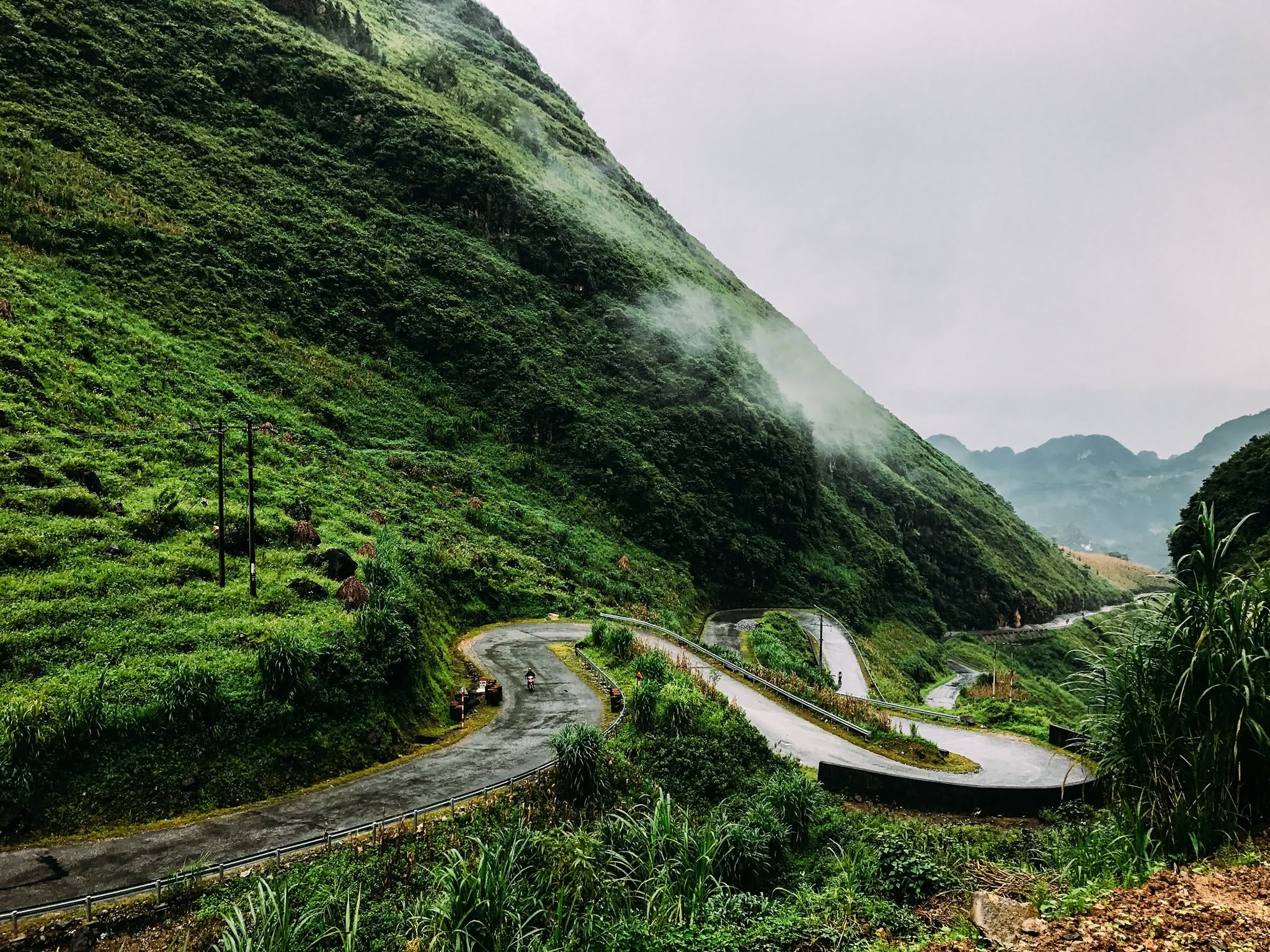
Ha Giang Loop: Vietnam's Ultimate Road Trip Adventure
Discover the Ha Giang Loop, Vietnam's most spectacular road trip. Explore Ma Pi Leng Pass, Dong Van, Nho Que River, and ethnic minority villages with our complete travel guide.
Lorem ipsum dolor sit amet, consectetur adipiscing elit. Mauris lobortis, nonimper diet est. Praesent vulputate at enim sit amet mattis.
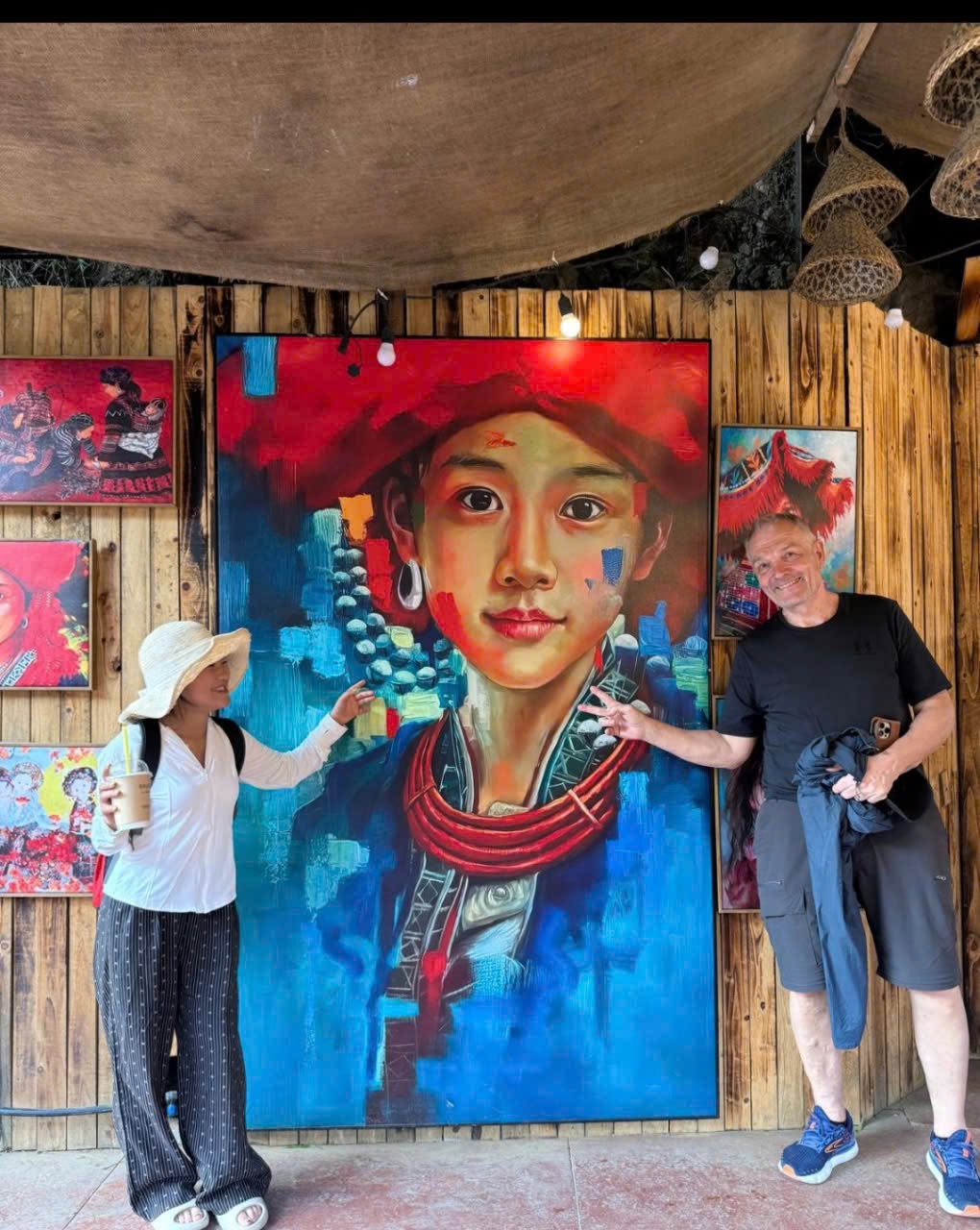
10 Traditional Ethnic Markets in Vietnam for an Authentic Cultural Experience
Discover the top 10 ethnic markets in Vietnam, from Bac Ha to Meo Vac, where colorful traditions, local culture, and authentic mountain life come together.
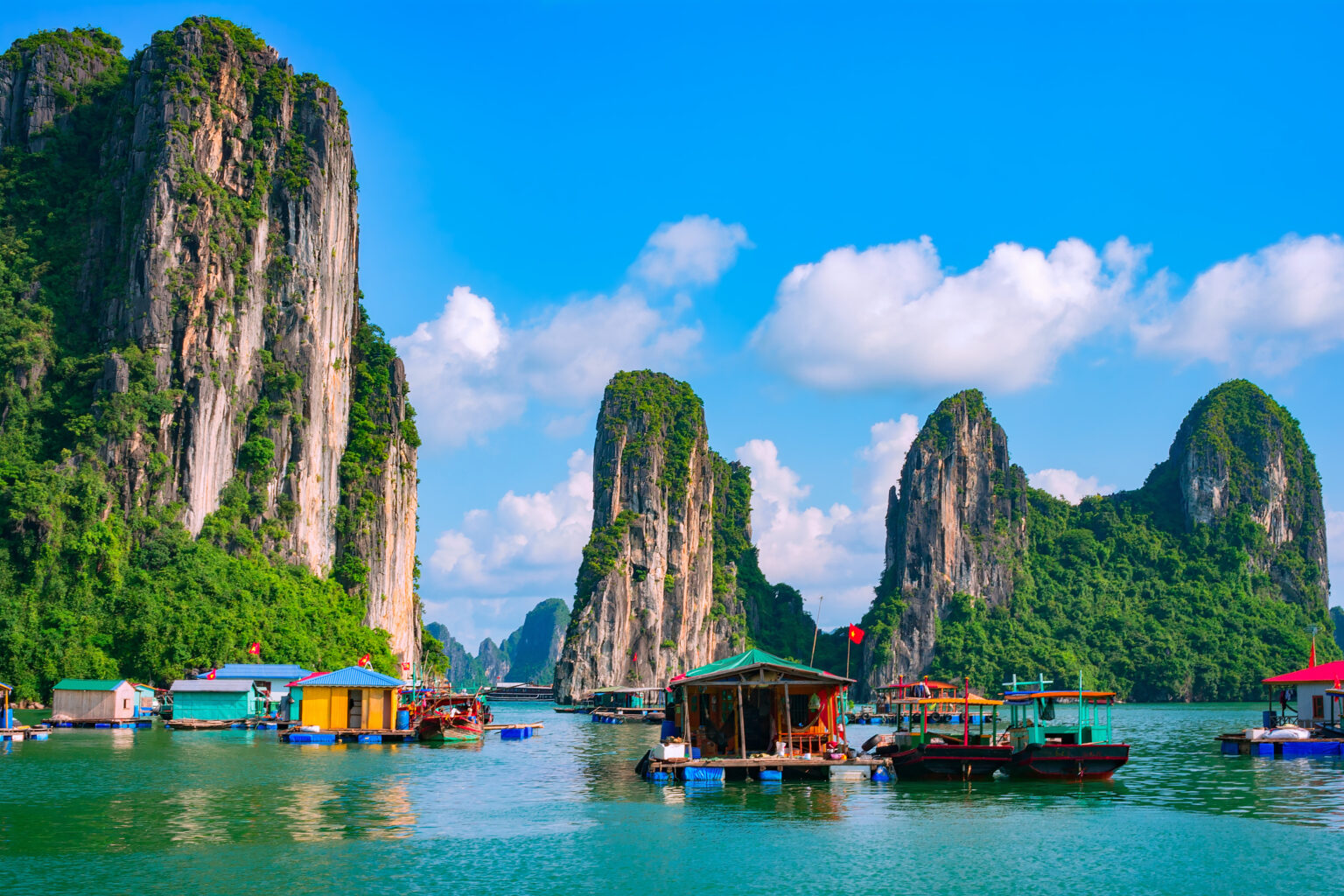
Why Vietnam Should Be on Your 2026 Travel List
Vietnam Travel Guide 2026: Everything You Need to Know Before You Go
Vietnam has become one of the most exciting destinations in Southeast Asia, attracting millions of international visitors each year. Known for its breathtaking landscapes, rich cultural heritage, delicious cuisine, welcoming locals, and affordable travel costs, Vietnam offers unforgettable experiences for every type of traveler.
Whether you're planning your first trip or returning to explore more of this fascinating country, this Vietnam Travel Guide 2026 covers everything you need to know before you go.
Why Visit Vietnam in 2026?
Vietnam offers an incredible combination of natural beauty, vibrant cities, ancient history, and authentic cultural experiences. From the emerald waters of Ha Long Bay to the lantern-lit streets of Hoi An and the tropical beaches of Phu Quoc, travelers can enjoy a wide variety of experiences within a single journey.
Reasons to visit Vietnam in 2026:
Stunning UNESCO World Heritage Sites
World-famous Vietnamese cuisine
Luxury travel at affordable prices
Beautiful beaches and islands
Authentic cultural experiences
Friendly and welcoming locals
Easy connections with Cambodia, Laos, and Thailand
Vietnam is also one of the best-value destinations in Asia, making it ideal for couples, families, solo travelers, and luxury seekers alike.
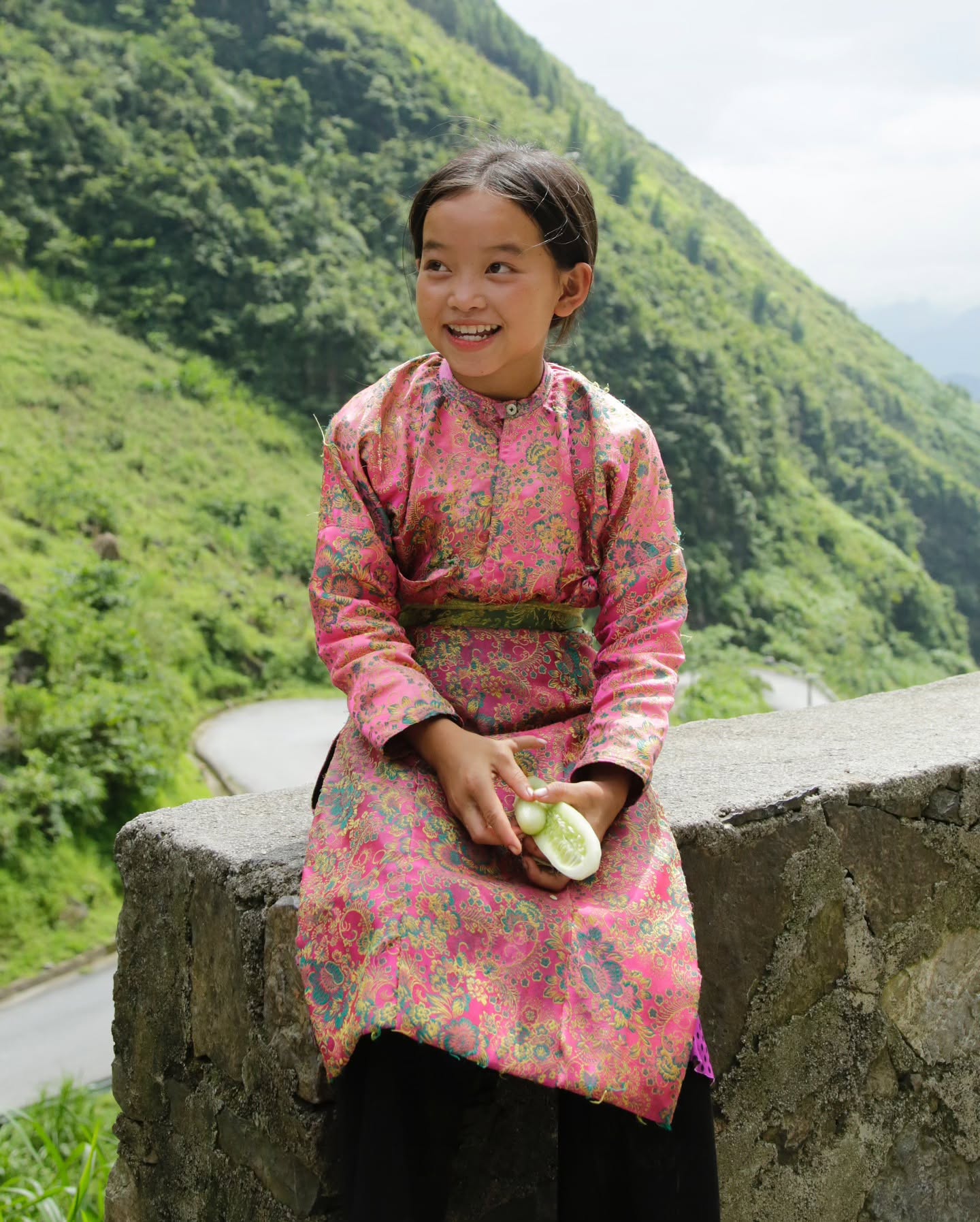
20 Vietnam Bucket List Experiences You Must Try in 2026
Discover 20 unforgettable Vietnam bucket list experiences, from cruising Ha Long Bay and conquering the Ha Giang Loop to exploring Hoi An, Sapa, and Phu Quoc.
Vietnam is a country of extraordinary contrasts, where ancient traditions blend seamlessly with modern life, and breathtaking natural landscapes meet vibrant cities. Whether you're a first-time visitor or a seasoned traveler, Vietnam offers countless experiences that deserve a place on your travel bucket list.
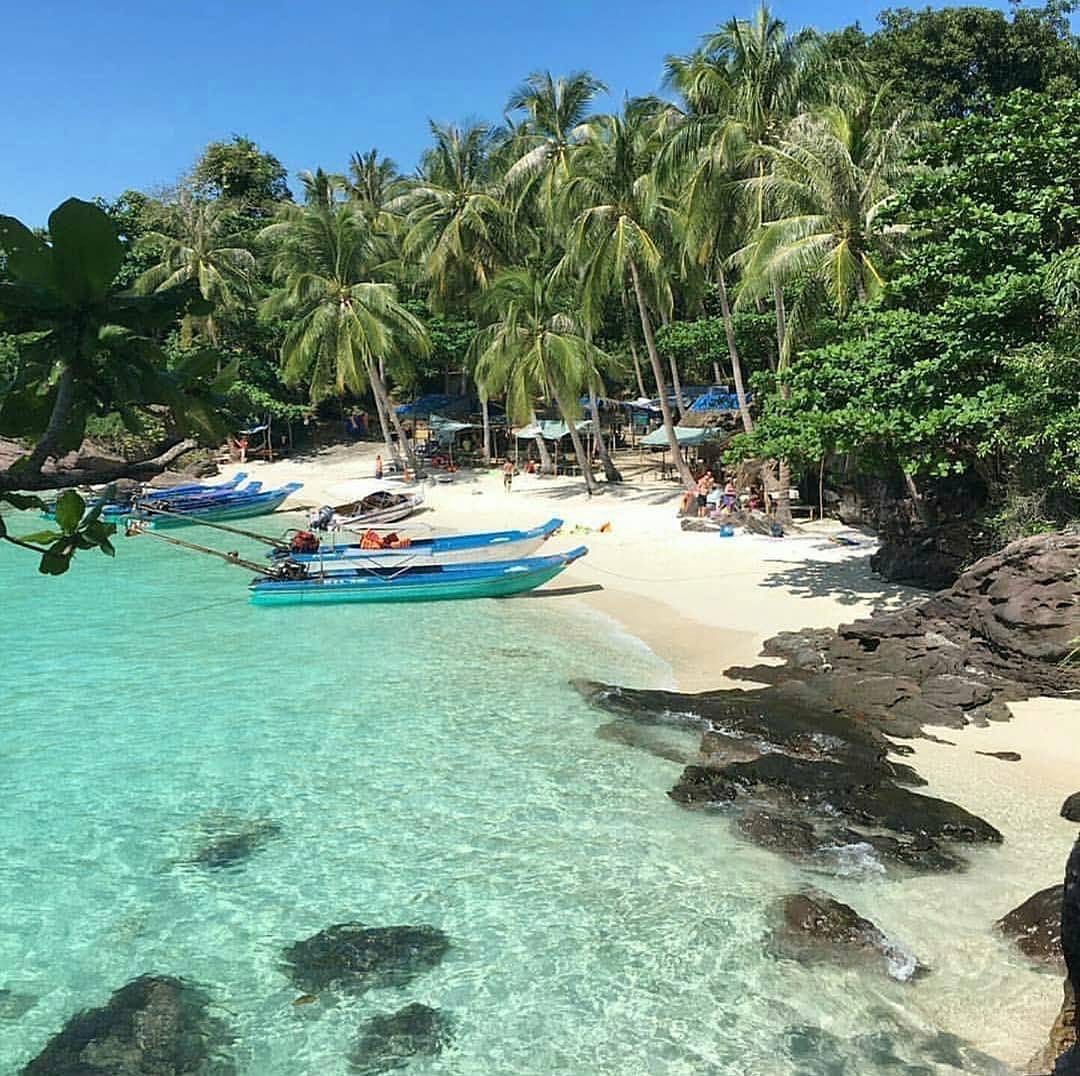
Phu Quoc Island -The Perfect Beach Escape in Vietnam
Discover Phu Quoc Island, Vietnam's tropical paradise. Explore the best beaches, attractions, luxury resorts, island tours, and travel tips in this complete Phu Quoc Travel Guide.
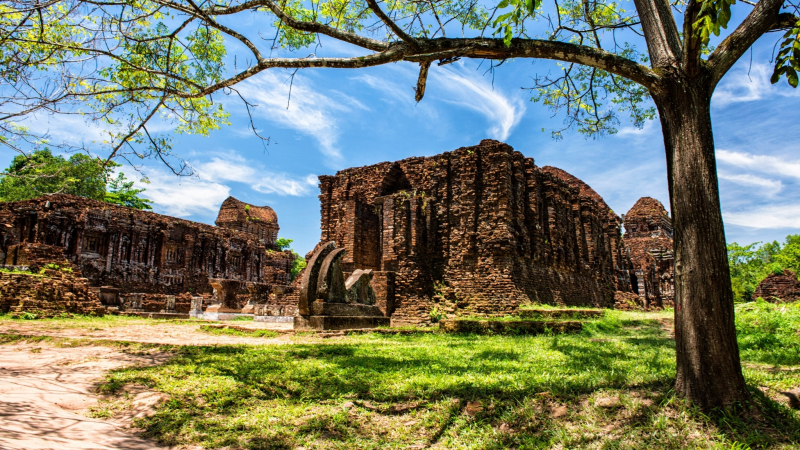
Explore Southeast Asia: Private Tours Across Vietnam, Cambodia, Laos and Thailand
Discover the best Southeast Asia tours featuring Vietnam, Cambodia, Laos, and Thailand. Explore top destinations, travel itineraries, cultural experiences, and expert travel tips.
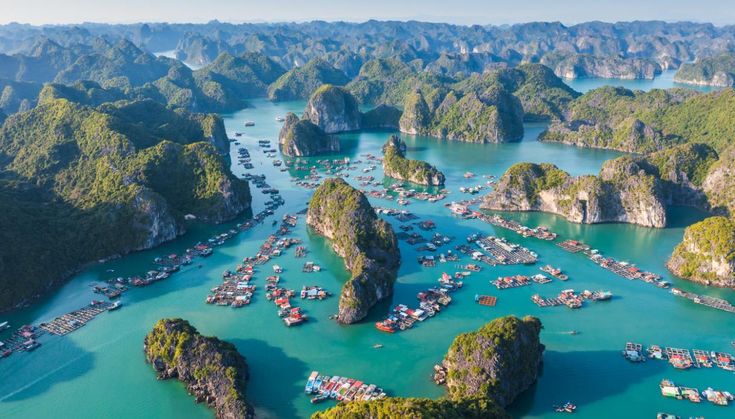
Top Luxury Halong Bay Cruises for an Unforgettable Experience
Discover the top Ha long Bay cruises, from luxury overnight cruises to family-friendly experiences
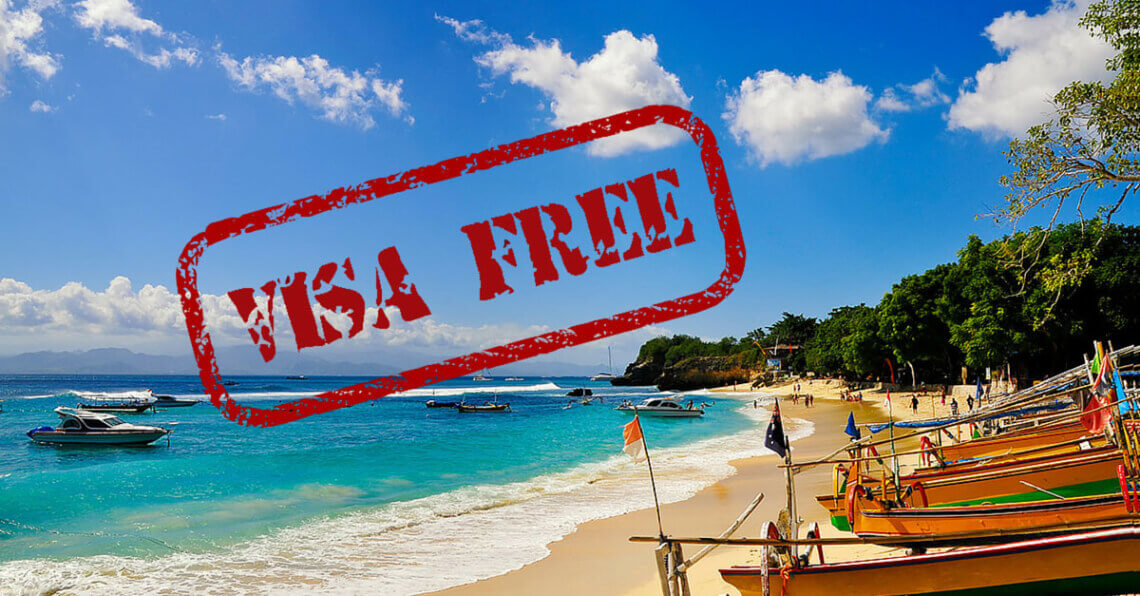
Phu Quoc Visa Exemption: 30-Day Visa-Free Entry for International Travelers
International travelers holding foreign passports can visit Phu Quoc Island visa-free for up to 30 days
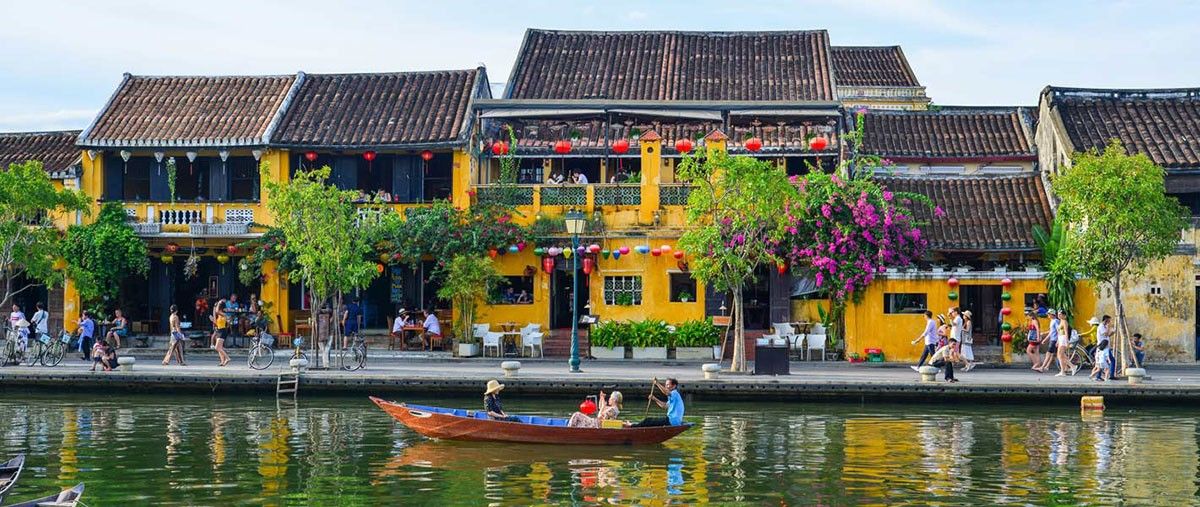
Hoi An Ancient Town: A UNESCO World Heritage Site and Model of Cultural Preservation
Since being listed as a UNESCO World Heritage Site in 1999, Hoi An has successfully balanced cultural preservation and tourism development
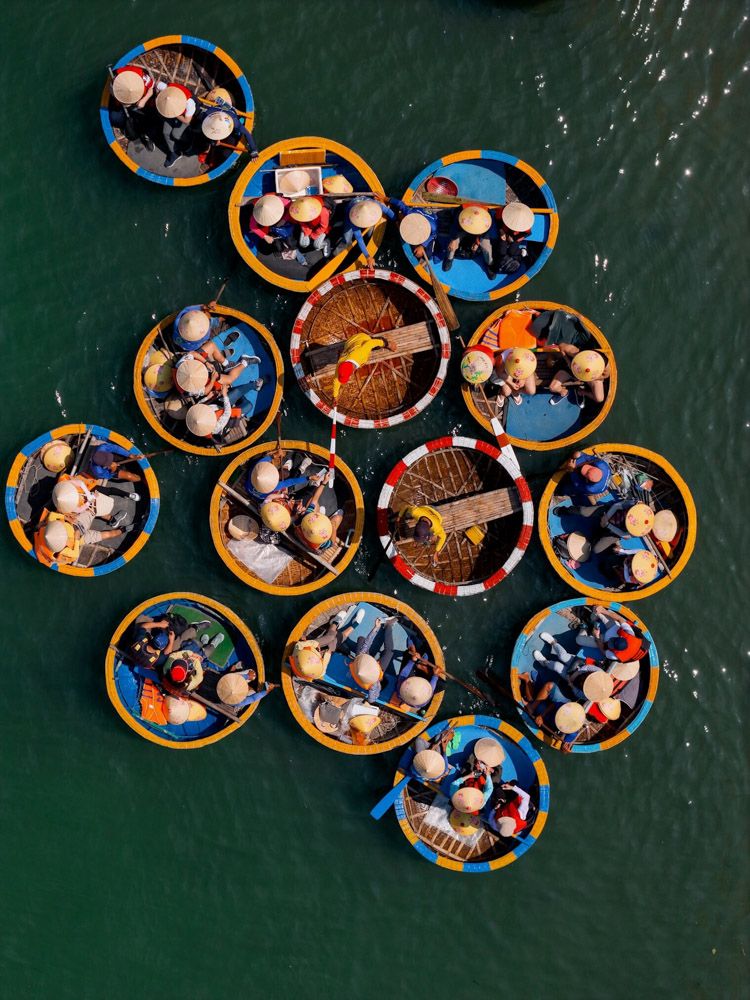
Three Vietnamese destinations among Asia’s top attractions: Tripadvisor
Hoi An Ancient Town, War Remnants Museum, and Cu Chi Tunnels have been ranked among Asia’s top at
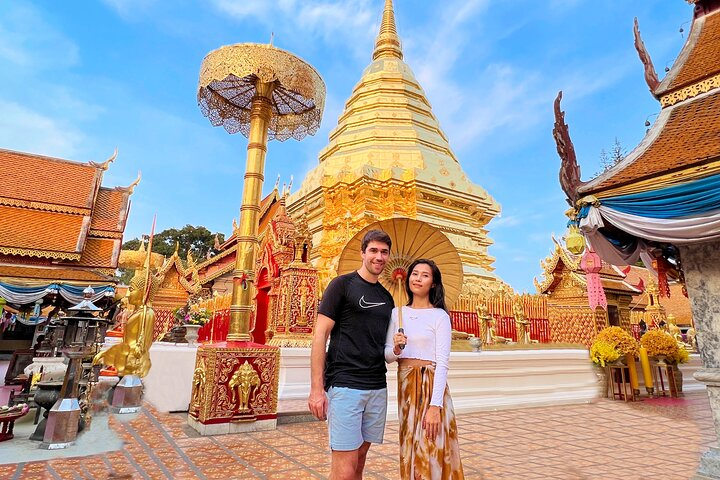
Thailand: The Destination That Keeps Winning Travelers’ Hearts
From breathtaking landscapes and vibrant culture to delicious food and exceptional hospitality, Thailand offers an unforgettable travel experience that keeps attracting millions of visitors year after year
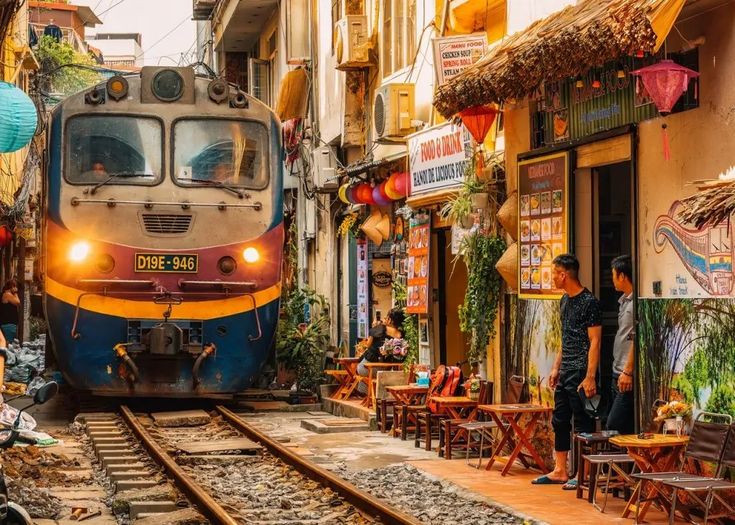
Complete Hanoi Travel Guide-Best Things to Do, Food and Attractions
Planning a trip to Hanoi? Discover the best attractions, street food, travel tips, itineraries, and places to stay in our complete Hanoi Tra

Discover Angkor Wat: The Heart of an Ancient Khmer Empire
Discover the beauty and history of Angkor Wat, a timeless symbol of the Khmer Empire and one of Southeast Asia’s most extraordinary heritage sites
Hanoi or Ho Chi Minh City for Your First Trip to Vietnam?
Planning your first trip to Vietnam? Compare Hanoi and Ho Chi Minh City by culture, food, nightlife, attractions and nearby destinations to choose the best city.

7 Days Vietnam Itinerary: The Perfect Luxury Escape
Đây là đoạn tổng hợp ngắn, phù hợp dùng làm **excerpt/short summary** cho bài viết:
Experience the best of Vietnam in seven days with a luxurious journey through Hanoi, Ha Long Bay, and Hoi An. Combining private sightseeing, 5-star stays, an overnight cruise, authentic culinary and cultural experiences, and relaxing moments, this itinerary offers a comfortable way to discover Vietnam. The journey can also be customized to suit your interests, pace, preferences, and budget.
Vietnam Travel Guide: Plan Your Vietnam Trip
Vietnam travel offers a rich mix of diverse landscapes, cultural heritage, local cuisine, and authentic experiences. From choosing the best destinations and travel experiences to planning your itinerary, timing, transportation, and travel style, this guide covers everything you need to plan a memorable journey through Vietnam.

Vietnam Travel Costs and Budget
Planning a trip to Vietnam? This guide breaks down exactly what to expect in terms of travel costs in Vietnam, covering accommodation, food, transport, tours, visas and more across budget, mid-range and luxury travel styles. You'll find clear daily, weekly and monthly spending estimates, the key factors that drive prices up or down, practical money-saving tips, and a shortlist of top destinations worth visiting in 2026.
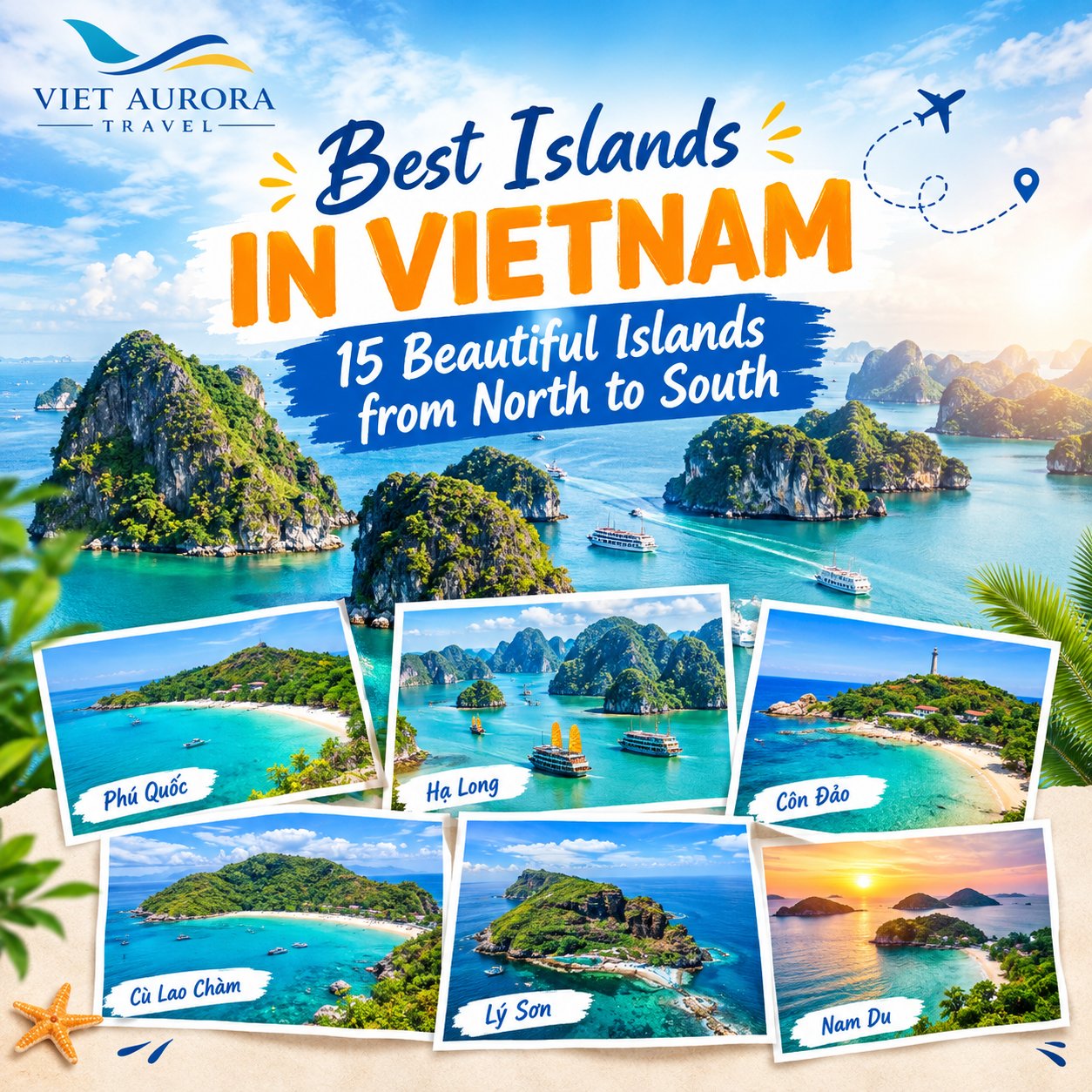
Best Islands in Vietnam: 15 Beautiful Islands from North to South
Vietnam's 3,000 km coastline is dotted with limestone islands, volcanic outposts, turtle-nesting archipelagos and quiet fishing communities. This guide helps you choose the right island for your trip, when to go, how to get there and how to add it to a wider journey through Vietnam.
Vietnam Vacations for Couples: Romantic Places, Itineraries & Tips
The best Vietnam vacations for couples are not the ones that tick off the most sights. They are the ones that leave room to slow down: a morning on a quiet bay, an evening under silk lanterns, a dinner with nowhere to rush to. This guide covers the most romantic places in Vietnam, itineraries from 5 to 14 days, the best months to go, where to stay and what it costs, so you can plan a trip that suits the two of you. Explore more of Vietnam with Viet Aurora Trave
.png "Best Places to Visit in Vietnam: 15 Must-See Destinations by Region")
Best Places to Visit in Vietnam: 15 Must-See Destinations by Region
Stretching over 3,000 km from the northern mountains to the southern Mekong Delta, Vietnam packs a surprising range of experiences into one trip. This guide to the best places to visit in Vietnam covers 15 top destinations across the north, center and south, with the best time to go, how long to stay, and how to combine them into an itinerary that fits your time and style. Whether it is your first visit or your fifth, you will find a clear way to decide where to go. Explore more with Viet Aurora Travel.


