
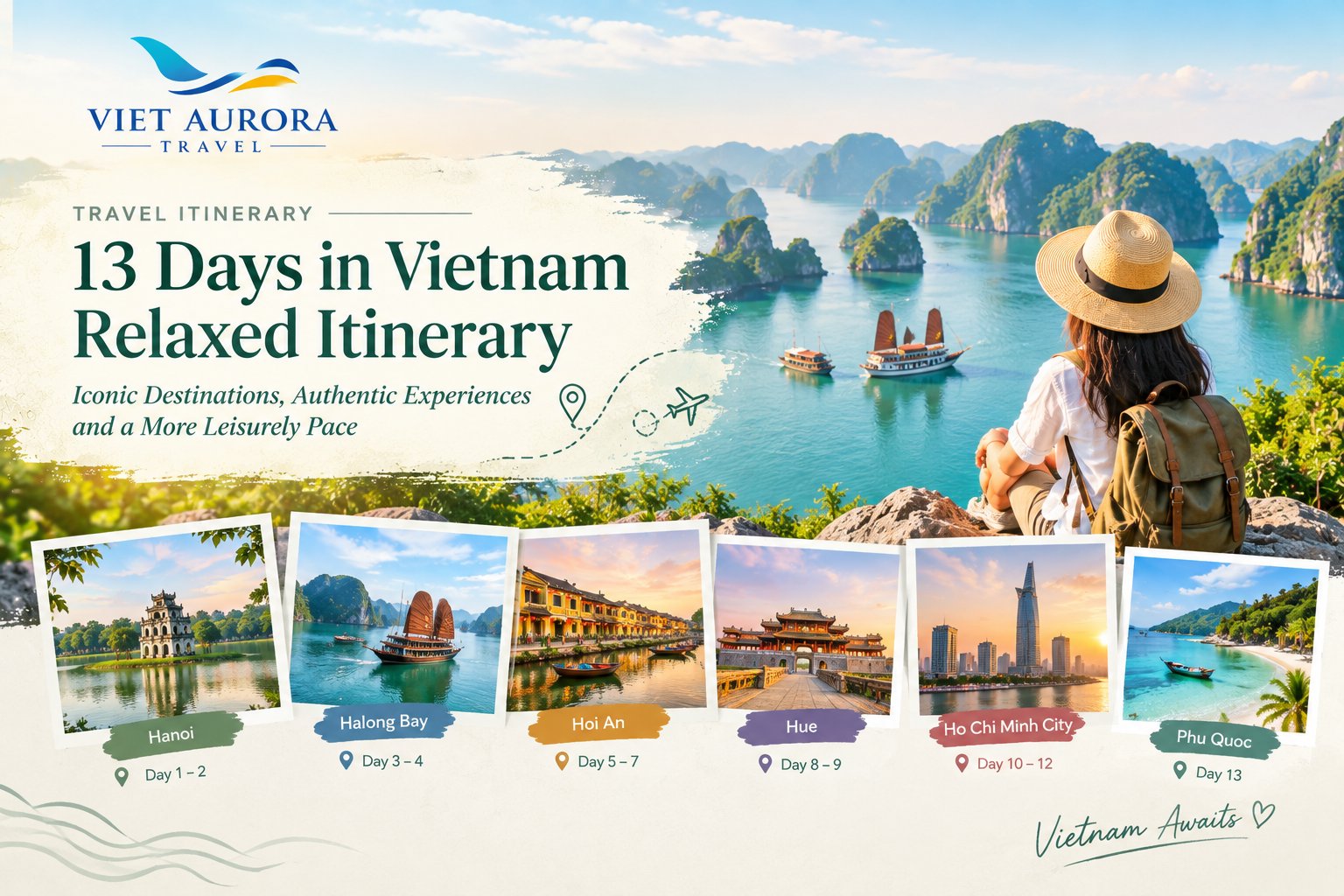
13 Days in Vietnam at a Slower Pace: A Relaxed Itinerary from Hanoi to Phu Quoc
Most travelers from the United States and Europe fly for many hours to reach Vietnam, and they want more than a checklist of sights: they want time to take it all in. Thirteen days is just enough to move from Hanoi to Lan Ha Bay, pause in Hoi An, unwind on Phu Quoc and finish on the Mekong River without watching the clock. This guide from Viet Aurora Travel walks you through that rhythm, stage by stage.
Why 13 Days Is the Right Length for a First Trip to Vietnam
Many travelers plan their route through the destinations in Vietnam like a relay race, only to find they are tired before they have fallen for a single place. Thirteen days helps you avoid that.
Wide Enough for Three Regions, Slow Enough to Breathe
Vietnam stretches for more than 1,800 miles (3,000 km), so a seven-day trip often covers just two cities and a string of back-to-back flights. With thirteen days, you can spend two nights in Hanoi, one night on the bay, three nights in Da Nang and Hoi An, four nights on Phu Quoc and two nights in Ho Chi Minh City. Each region gets enough time for you to wake up late, wander in the morning without checking your watch, and still keep two full days free. That is how our private 13-day Vietnam itinerary is designed: three regions, one bay, one island, and gaps left open on purpose.
Wide Enough for Three Regions, Slow Enough to Breathe
Common Worries for Long-Haul Travelers
Travelers flying in from the US or Europe tend to share a few concerns: tiredness from the long flight and jet lag, the heat and humidity, a packed schedule built around ticking off sights, and the worry that getting between regions will be complicated. This itinerary answers each one. Day one has almost no program, only a driver waiting at the airport and a room to rest in. Domestic flights, private transfers and an English-speaking guide are arranged in advance, so all you have to do is look around.
Northern Vietnam: Hanoi, Ninh Binh and a Night on the Bay
The north opens your journey with the bustle of the capital, then slows as you drift into limestone mountains and still water.
Hanoi: An Easy First Day
You land at Noi Bai International Airport, clear immigration and find someone waiting with your name on a sign. Hotel rooms are ready from 2 p.m., so if you arrive early, you can leave your bags, sit down with a coffee and watch the motorbikes flow past. There are no sights to rush to. This is a day for your body to adjust to the new time zone, and for you to get acquainted with the smell of pho, the chorus of horns and the glow of street lamps in a city more than a thousand years old.
Ninh Binh: Oars Dipping Between Limestone Peaks
On day two, your driver takes you about 75 miles (120 km) south to Ninh Binh. After a stop at Hoa Lu, the former imperial capital, you step into a hand-rowed boat at Trang An, a landscape recognized as a UNESCO World Heritage Site in 2014. The boat glides through caves so low you have to duck, then back onto a calm river between the cliffs. There is no engine noise, only water and the rhythm of the oars. In the afternoon, if you have the energy, you can climb nearly 500 stone steps to Mua Cave; your reward is a sweeping view over Tam Coc spread out below.
A Night on Lan Ha Bay
On day three, you board a cruise at Tuan Chau marina, receive a welcome drink and sit down to a seafood lunch as the ship slips past the limestone islands of Lan Ha Bay. In the afternoon, you can kayak or swim in the quiet Ong Cam area. Once the ship drops anchor, you learn to roll spring rolls in a short cooking demonstration, then head up to the sundeck to watch the sunset with local wine and fresh fruit. The next morning begins with tai chi at sunrise and a small rowboat trip into the Dark and Bright Caves, before the ship returns to port and you head back to Hanoi for your flight to Da Nang. It is a long day, so treat it as a travel day and avoid adding anything else to the schedule.

Central Vietnam: A Slow Hoi An and a Day at Ba Na
Once you fly into central Vietnam, the rhythm changes completely: more sunshine, slower roads, and a day that belongs entirely to you.
Hoi An: A Day With No Schedule
Day five is completely free. You can stroll or cycle through the old town’s lanes, linger at a riverside café, or visit a well-known tailor to order an outfit you can collect within 24 hours. If you want somewhere quiet, stop by the Reaching Out Teahouse, which provides jobs for people who are hard of hearing and serves tea tasting flights and homemade snacks. We leave this day open because Hoi An is at its best when you have nowhere else to be.
Ba Na Hills: A Lively Day, on Purpose
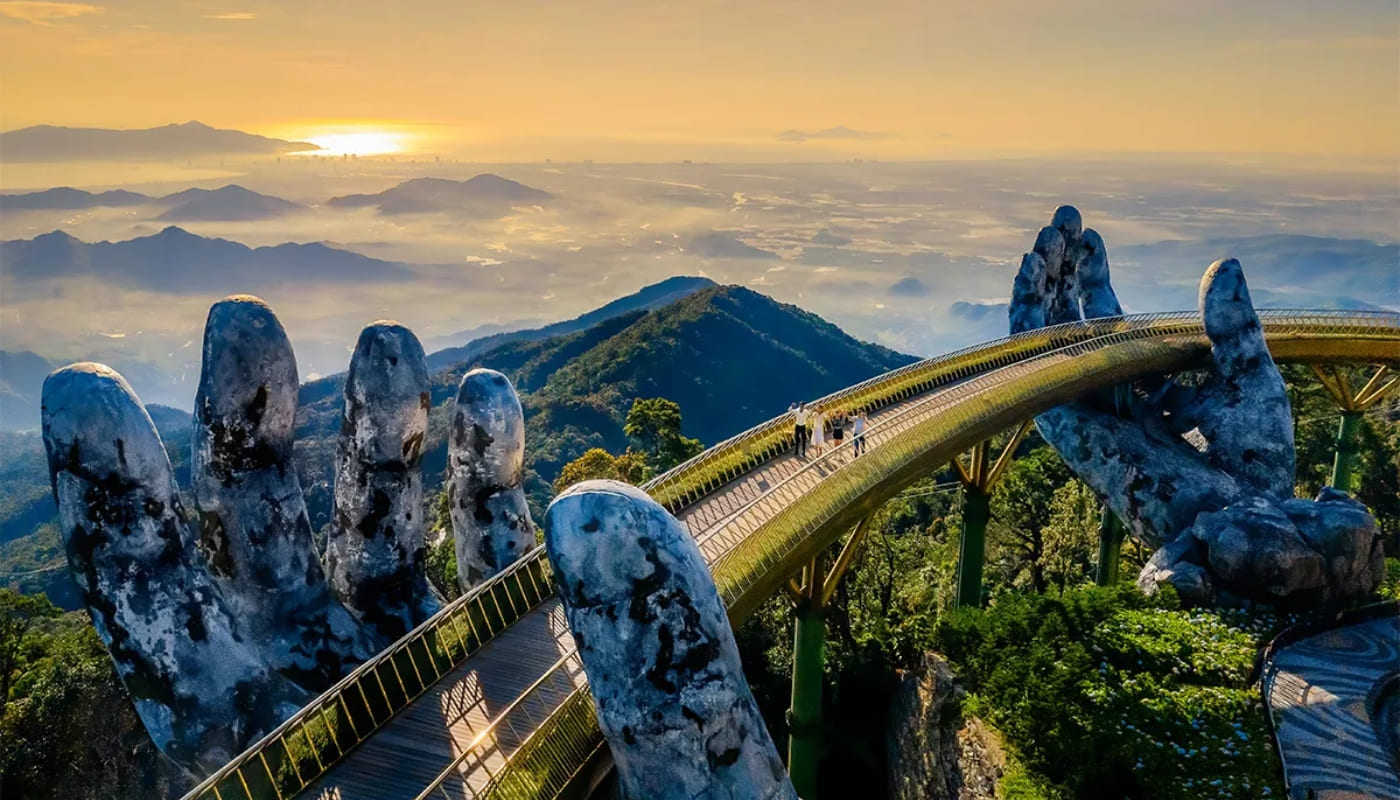
The next day, the pace picks up a little. You ride the cable car up to Ba Na Hills, cross the Golden Bridge, held aloft by a pair of giant stone hands, visit the Debay Wine Cellar, built in 1923, and see Linh Ung Pagoda with its 89-foot (27-meter) Buddha statue. This is a popular attraction, so we recommend an early start. If crowded theme-park areas are not for you, talk to our advisors: because the trip is designed around you, this day can be adjusted into an extra day of rest by the beach in Da Nang.
Phu Quoc and the Mekong: Rest First, Then Local Life
The second half of the trip shifts gear once more: four days by the sea to truly unwind, followed by a day on the river to see everyday life in southern Vietnam.
Four Days on Phu Quoc
You fly from Da Nang to Phu Quoc and have time to settle in before exploring. Your four days on the island unfold like this:
- Day one: Check in, then stroll through Sunset Town in the afternoon and watch the sunset near the Kiss Bridge.
- Island-hopping day: Visit a pearl farm, snorkel over coral at Hon Gam Ghi, swim and take photos at Hon May Rut Trong, then head to Hon Thom for a ride on the cable car over the sea.
- Free day: Spend it as you like, perhaps at Starfish Beach or at the Grand World night market.
- VinWonders day: Enjoy the theme park and evening shows, or swap it for a quiet day at your resort if you prefer.
A Day on the Tien River
After a flight to Ho Chi Minh City, you spend a day heading out to My Tho. You visit Vinh Trang Pagoda, board a boat on the Tien River, and watch stilt houses, fishing villages and fruit orchards drift past on both banks, then have lunch in an orchard garden on an island in the river. In the afternoon, you take a sampan through a narrow canal shaded by nipa palms in Ben Tre, taste coconut candy at a family workshop, sip honey tea and listen to traditional folk music performed by local musicians. The next morning, you eat breakfast without hurrying, stop by a market for souvenirs and head to the airport.
Make the Journey Your Own
A beautiful itinerary only works if it fits the people taking it. This final section covers what to prepare and how the trip can be adjusted to your own pace.
What to Know Before You Book
- International flights, travel insurance, drinks, tips and single-room supplements are not included in the tour price.
- Guides speak English; French-, German- and Spanish-speaking guides can be arranged on request for a surcharge.
- Northern Vietnam is usually most comfortable in spring and autumn, while Phu Quoc is best in the dry season, roughly November to April.
- Pack swimwear, comfortable walking shoes and a light layer for evenings on the cruise.
- Children are charged under separate age-based pricing.
A Private Tour at Your Own Pace
Highly and Relaxing Vietnam is a private tour designed entirely around you, so you can turn the VinWonders day into a rest day, add an extra night in Hoi An, or change the order of the stops to suit the season. If you would like a thirteen-day journey that still leaves time to sit still, start with this itinerary, then get a free quote and let us fine-tune it to your pace.
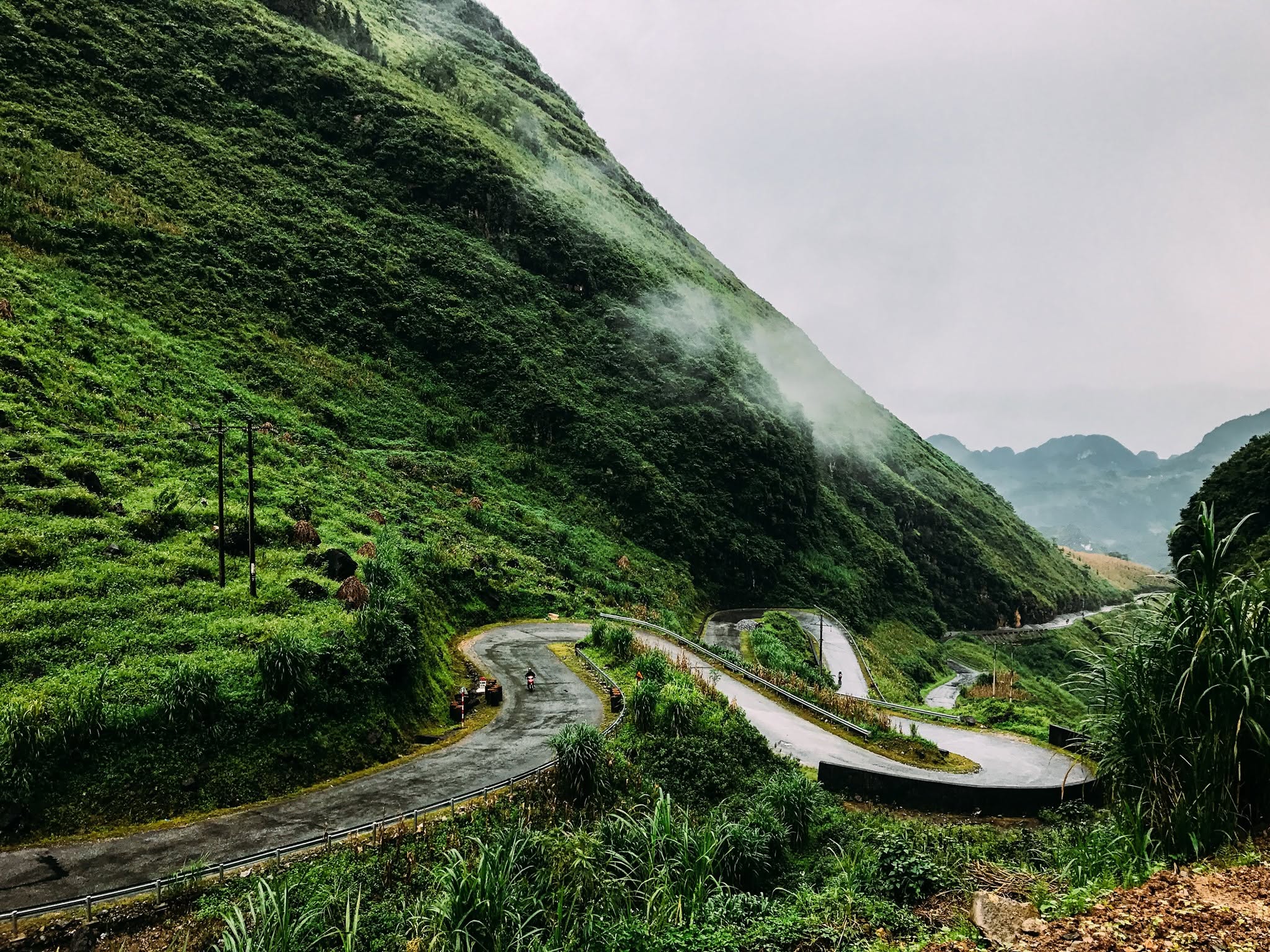
Ha Giang Loop: Vietnam's Ultimate Road Trip Adventure
Discover the Ha Giang Loop, Vietnam's most spectacular road trip. Explore Ma Pi Leng Pass, Dong Van, Nho Que River, and ethnic minority villages with our complete travel guide.
Lorem ipsum dolor sit amet, consectetur adipiscing elit. Mauris lobortis, nonimper diet est. Praesent vulputate at enim sit amet mattis.
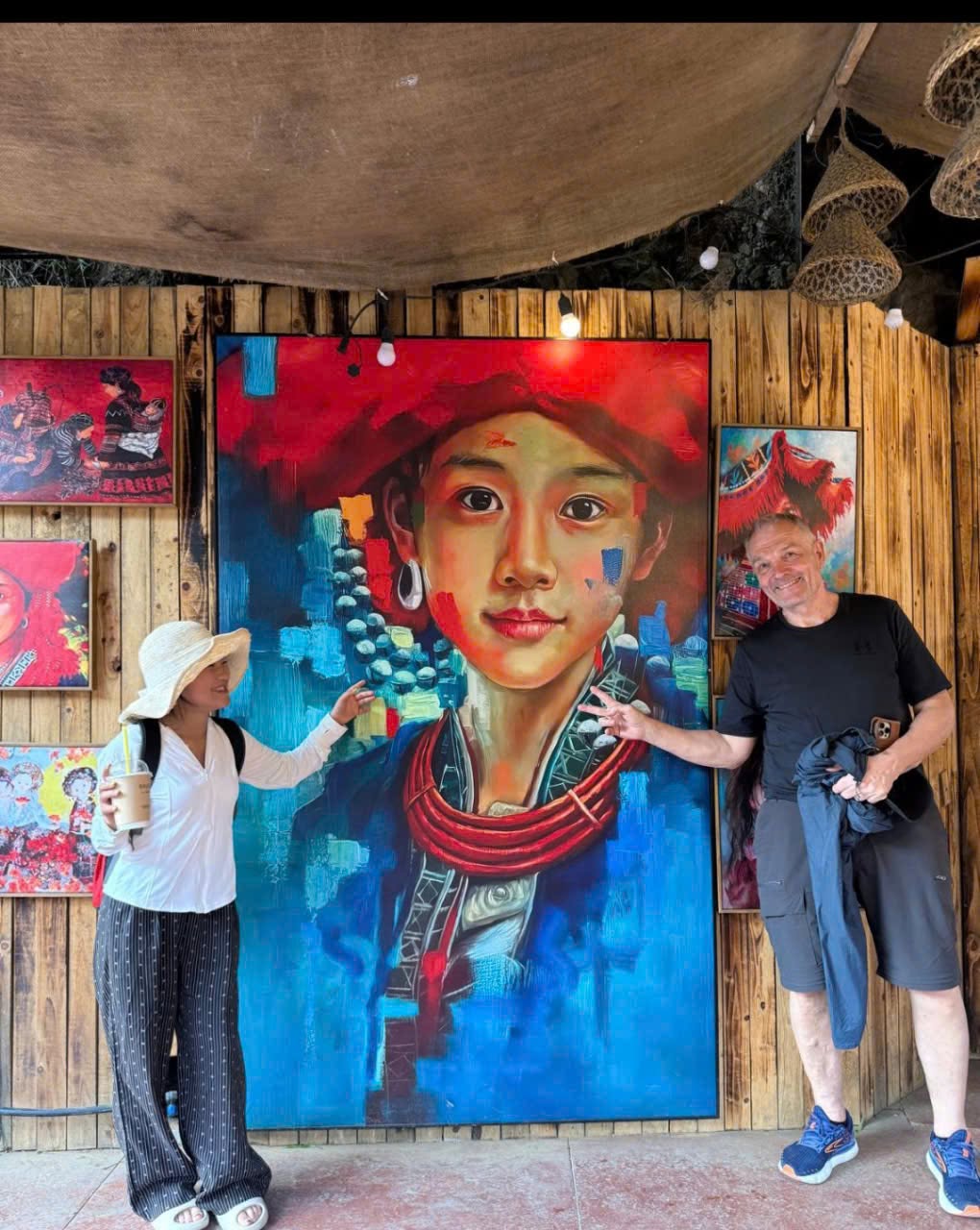
10 Traditional Ethnic Markets in Vietnam for an Authentic Cultural Experience
Discover the top 10 ethnic markets in Vietnam, from Bac Ha to Meo Vac, where colorful traditions, local culture, and authentic mountain life come together.
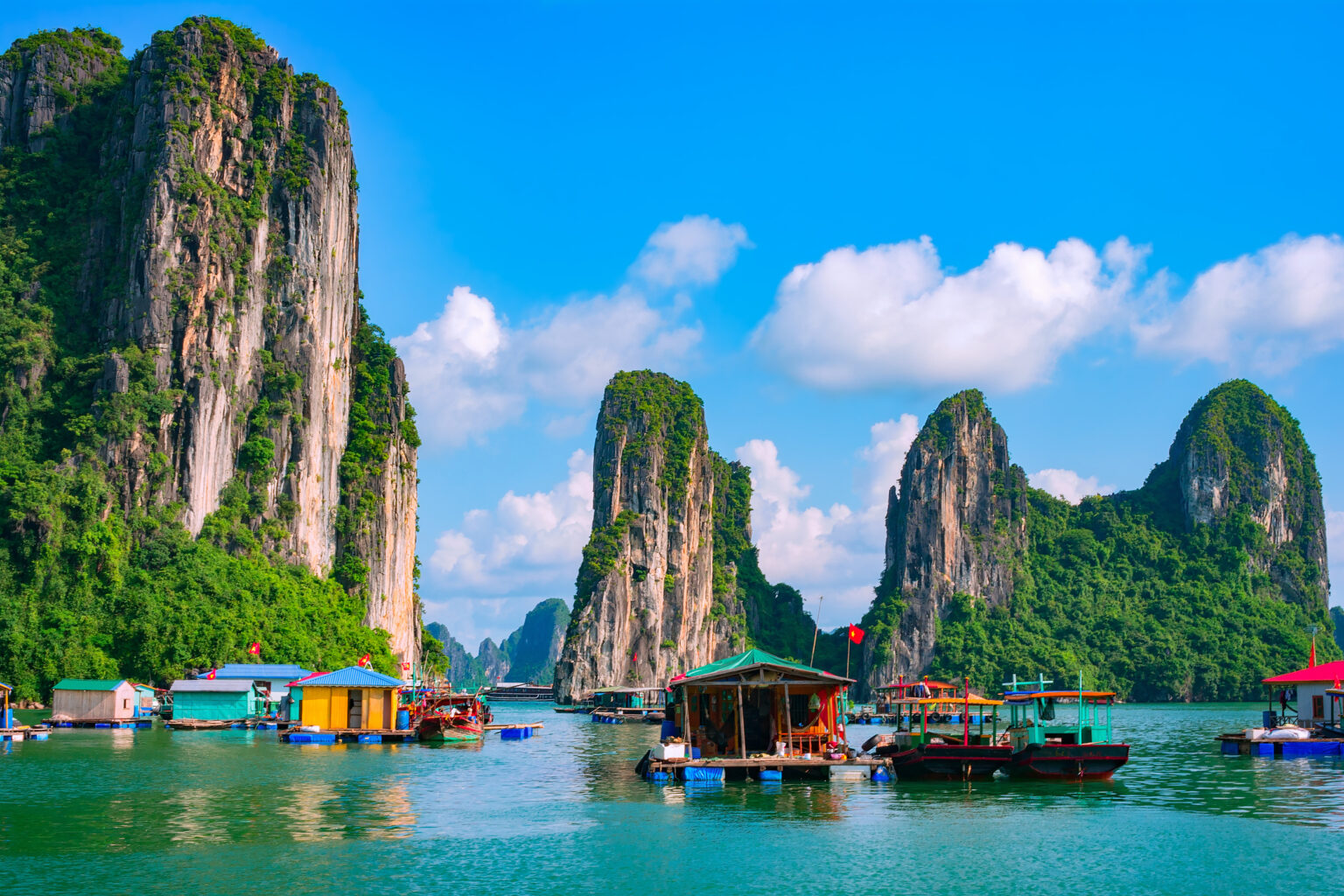
Why Vietnam Should Be on Your 2026 Travel List
Vietnam Travel Guide 2026: Everything You Need to Know Before You Go
Vietnam has become one of the most exciting destinations in Southeast Asia, attracting millions of international visitors each year. Known for its breathtaking landscapes, rich cultural heritage, delicious cuisine, welcoming locals, and affordable travel costs, Vietnam offers unforgettable experiences for every type of traveler.
Whether you're planning your first trip or returning to explore more of this fascinating country, this Vietnam Travel Guide 2026 covers everything you need to know before you go.
Why Visit Vietnam in 2026?
Vietnam offers an incredible combination of natural beauty, vibrant cities, ancient history, and authentic cultural experiences. From the emerald waters of Ha Long Bay to the lantern-lit streets of Hoi An and the tropical beaches of Phu Quoc, travelers can enjoy a wide variety of experiences within a single journey.
Reasons to visit Vietnam in 2026:
Stunning UNESCO World Heritage Sites
World-famous Vietnamese cuisine
Luxury travel at affordable prices
Beautiful beaches and islands
Authentic cultural experiences
Friendly and welcoming locals
Easy connections with Cambodia, Laos, and Thailand
Vietnam is also one of the best-value destinations in Asia, making it ideal for couples, families, solo travelers, and luxury seekers alike.

20 Vietnam Bucket List Experiences You Must Try in 2026
Discover 20 unforgettable Vietnam bucket list experiences, from cruising Ha Long Bay and conquering the Ha Giang Loop to exploring Hoi An, Sapa, and Phu Quoc.
Vietnam is a country of extraordinary contrasts, where ancient traditions blend seamlessly with modern life, and breathtaking natural landscapes meet vibrant cities. Whether you're a first-time visitor or a seasoned traveler, Vietnam offers countless experiences that deserve a place on your travel bucket list.
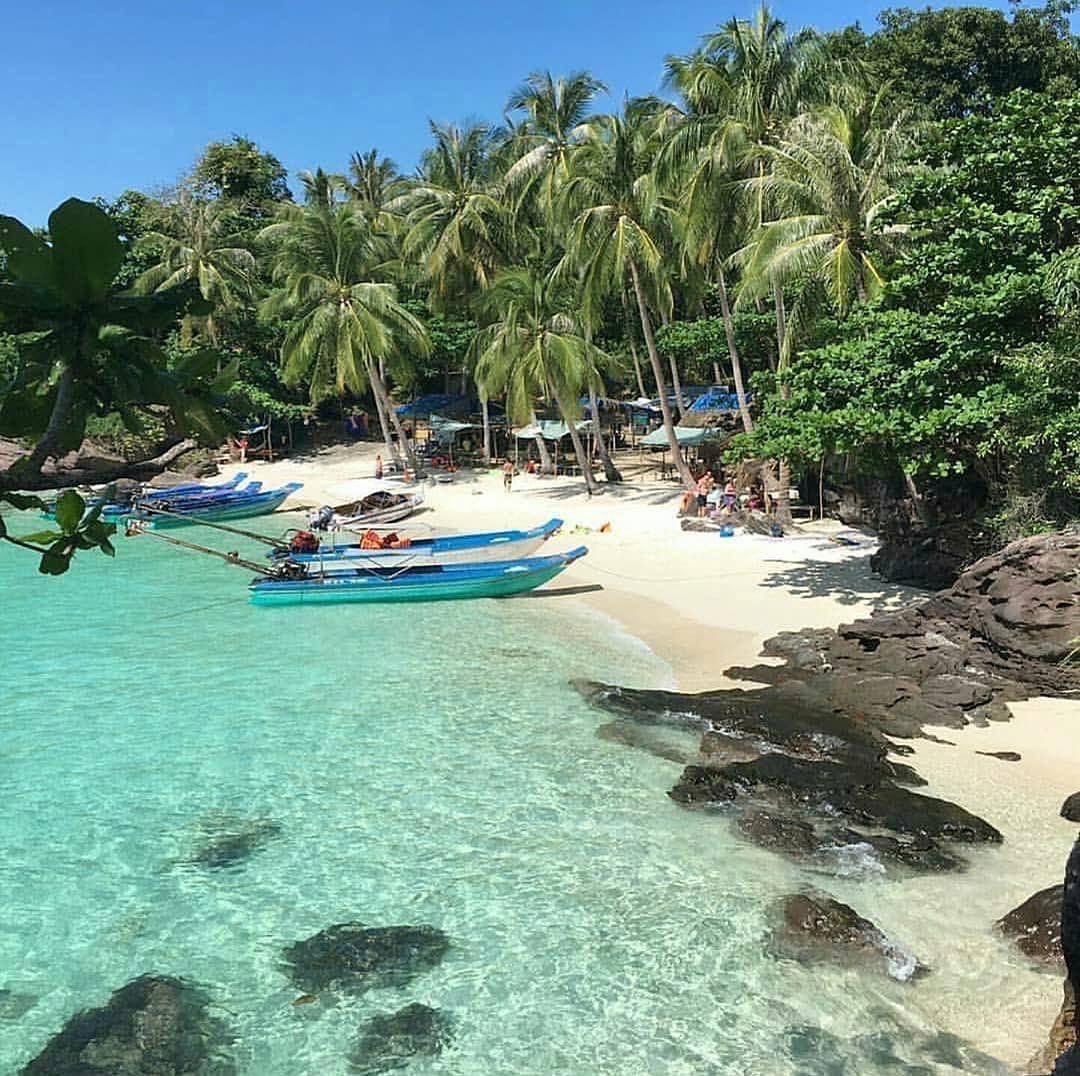
Phu Quoc Island -The Perfect Beach Escape in Vietnam
Discover Phu Quoc Island, Vietnam's tropical paradise. Explore the best beaches, attractions, luxury resorts, island tours, and travel tips in this complete Phu Quoc Travel Guide.
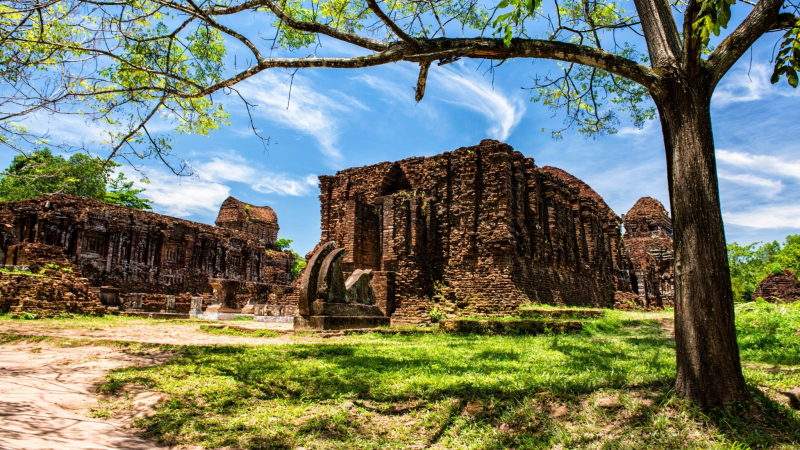
Explore Southeast Asia: Private Tours Across Vietnam, Cambodia, Laos and Thailand
Discover the best Southeast Asia tours featuring Vietnam, Cambodia, Laos, and Thailand. Explore top destinations, travel itineraries, cultural experiences, and expert travel tips.
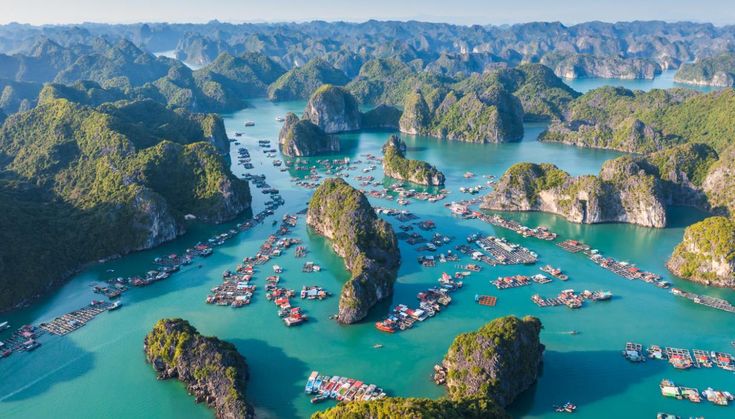
Top Luxury Halong Bay Cruises for an Unforgettable Experience
Discover the top Ha long Bay cruises, from luxury overnight cruises to family-friendly experiences
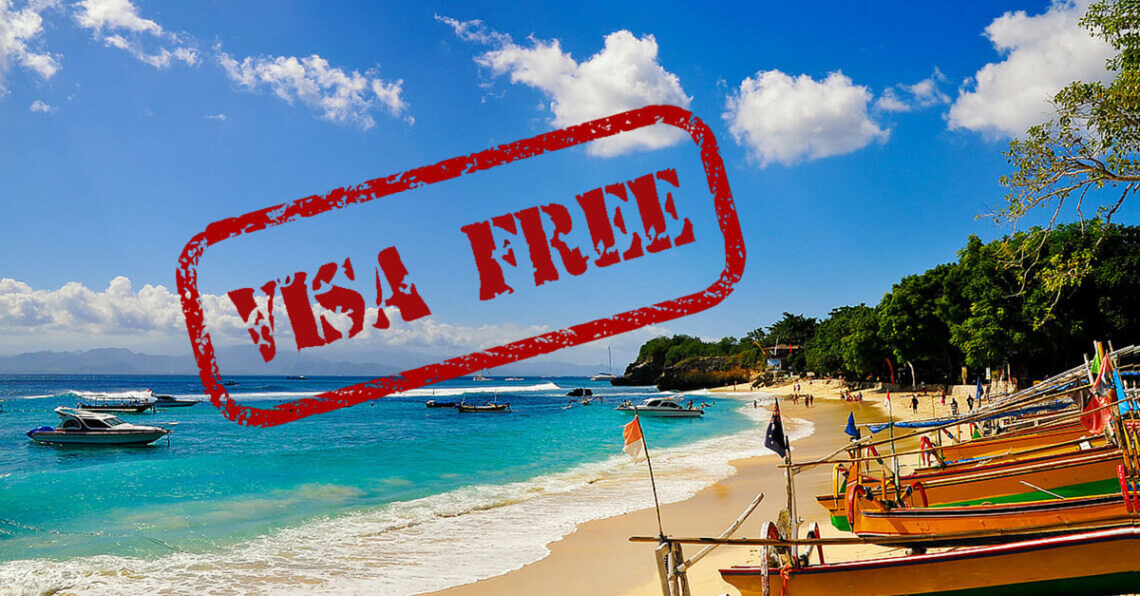
Phu Quoc Visa Exemption: 30-Day Visa-Free Entry for International Travelers
International travelers holding foreign passports can visit Phu Quoc Island visa-free for up to 30 days
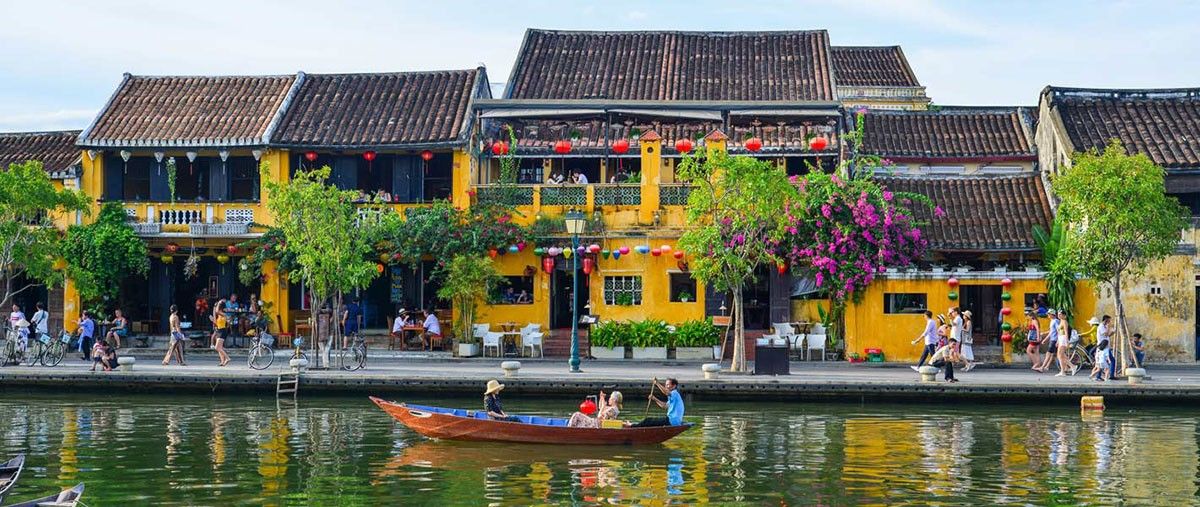
Hoi An Ancient Town: A UNESCO World Heritage Site and Model of Cultural Preservation
Since being listed as a UNESCO World Heritage Site in 1999, Hoi An has successfully balanced cultural preservation and tourism development
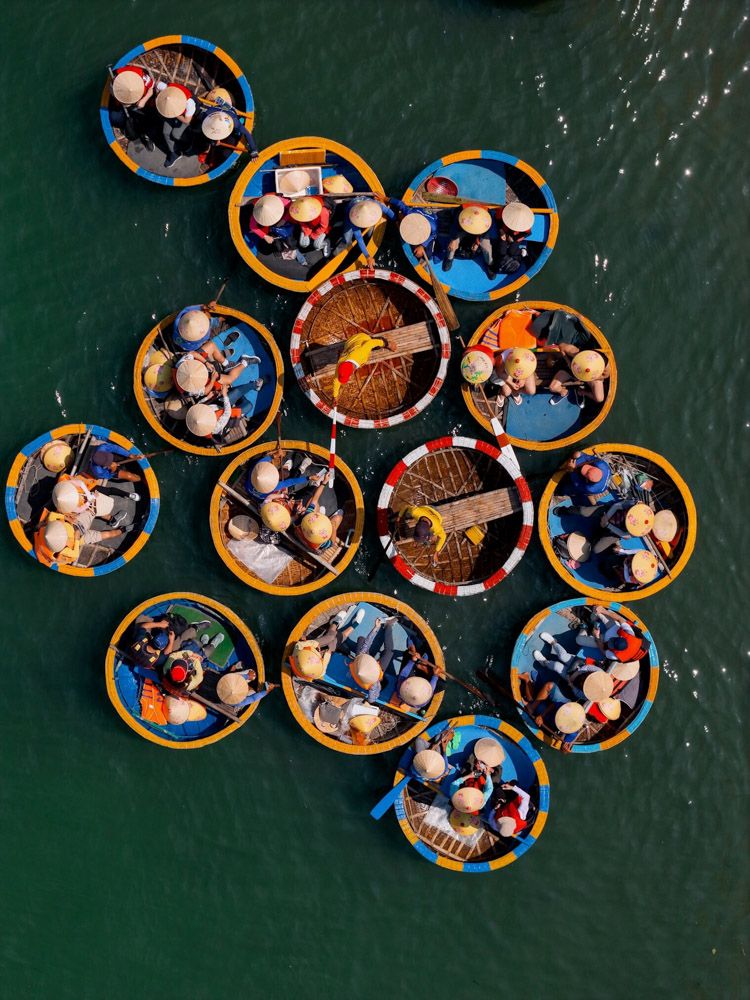
Three Vietnamese destinations among Asia’s top attractions: Tripadvisor
Hoi An Ancient Town, War Remnants Museum, and Cu Chi Tunnels have been ranked among Asia’s top at
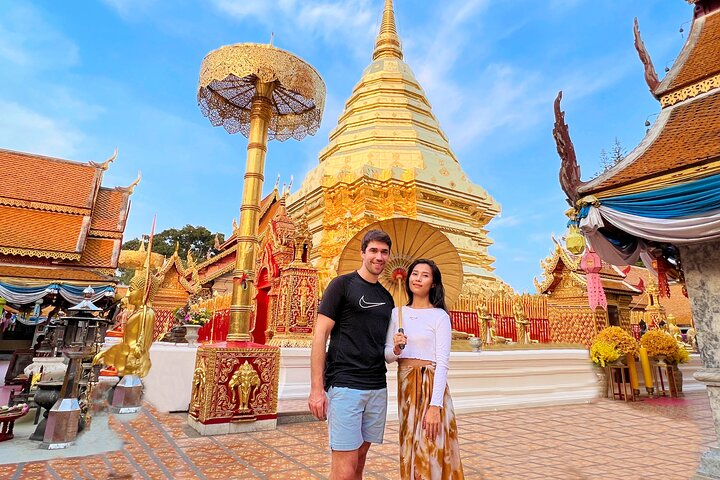
Thailand: The Destination That Keeps Winning Travelers’ Hearts
From breathtaking landscapes and vibrant culture to delicious food and exceptional hospitality, Thailand offers an unforgettable travel experience that keeps attracting millions of visitors year after year
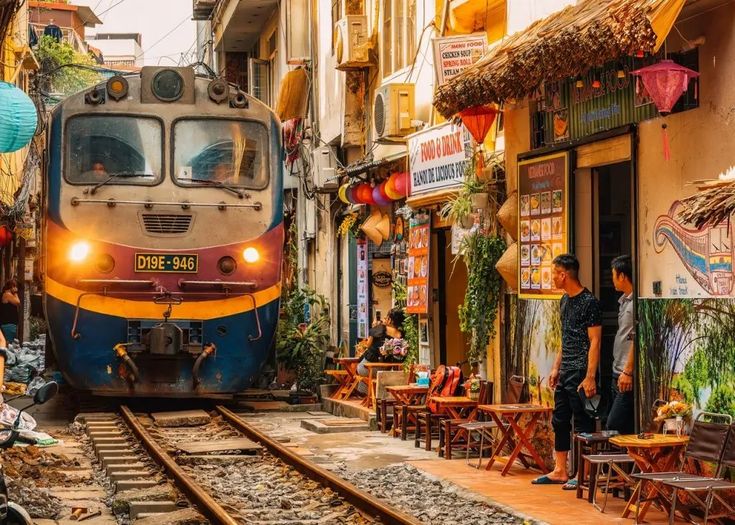
Complete Hanoi Travel Guide-Best Things to Do, Food and Attractions
Planning a trip to Hanoi? Discover the best attractions, street food, travel tips, itineraries, and places to stay in our complete Hanoi Tra
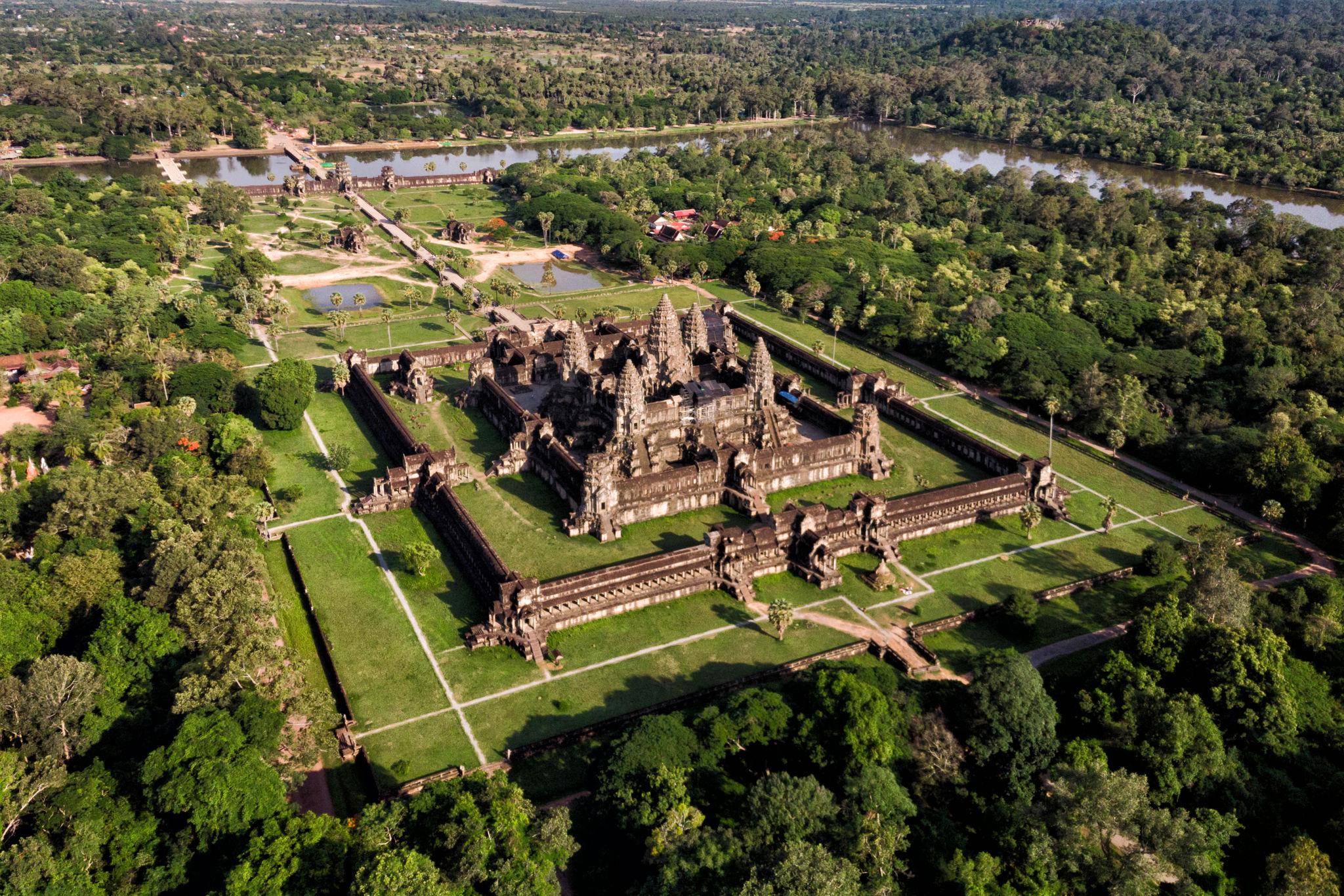
Discover Angkor Wat: The Heart of an Ancient Khmer Empire
Discover the beauty and history of Angkor Wat, a timeless symbol of the Khmer Empire and one of Southeast Asia’s most extraordinary heritage sites
Hanoi or Ho Chi Minh City for Your First Trip to Vietnam?
Planning your first trip to Vietnam? Compare Hanoi and Ho Chi Minh City by culture, food, nightlife, attractions and nearby destinations to choose the best city.

7 Days Vietnam Itinerary: The Perfect Luxury Escape
Đây là đoạn tổng hợp ngắn, phù hợp dùng làm **excerpt/short summary** cho bài viết:
Experience the best of Vietnam in seven days with a luxurious journey through Hanoi, Ha Long Bay, and Hoi An. Combining private sightseeing, 5-star stays, an overnight cruise, authentic culinary and cultural experiences, and relaxing moments, this itinerary offers a comfortable way to discover Vietnam. The journey can also be customized to suit your interests, pace, preferences, and budget.
Vietnam Travel Guide: Plan Your Vietnam Trip
Vietnam travel offers a rich mix of diverse landscapes, cultural heritage, local cuisine, and authentic experiences. From choosing the best destinations and travel experiences to planning your itinerary, timing, transportation, and travel style, this guide covers everything you need to plan a memorable journey through Vietnam.
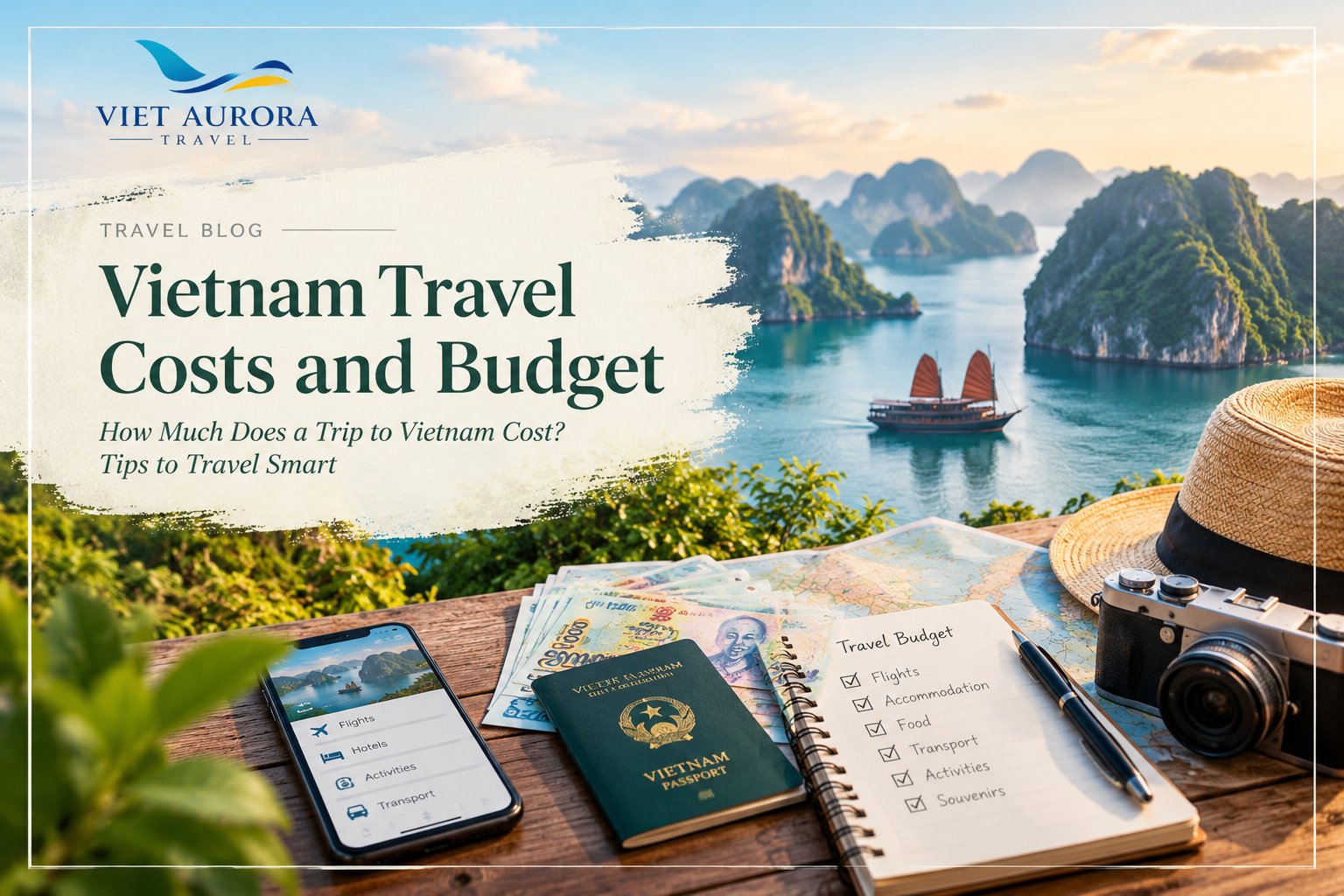
Vietnam Travel Costs and Budget
Planning a trip to Vietnam? This guide breaks down exactly what to expect in terms of travel costs in Vietnam, covering accommodation, food, transport, tours, visas and more across budget, mid-range and luxury travel styles. You'll find clear daily, weekly and monthly spending estimates, the key factors that drive prices up or down, practical money-saving tips, and a shortlist of top destinations worth visiting in 2026.
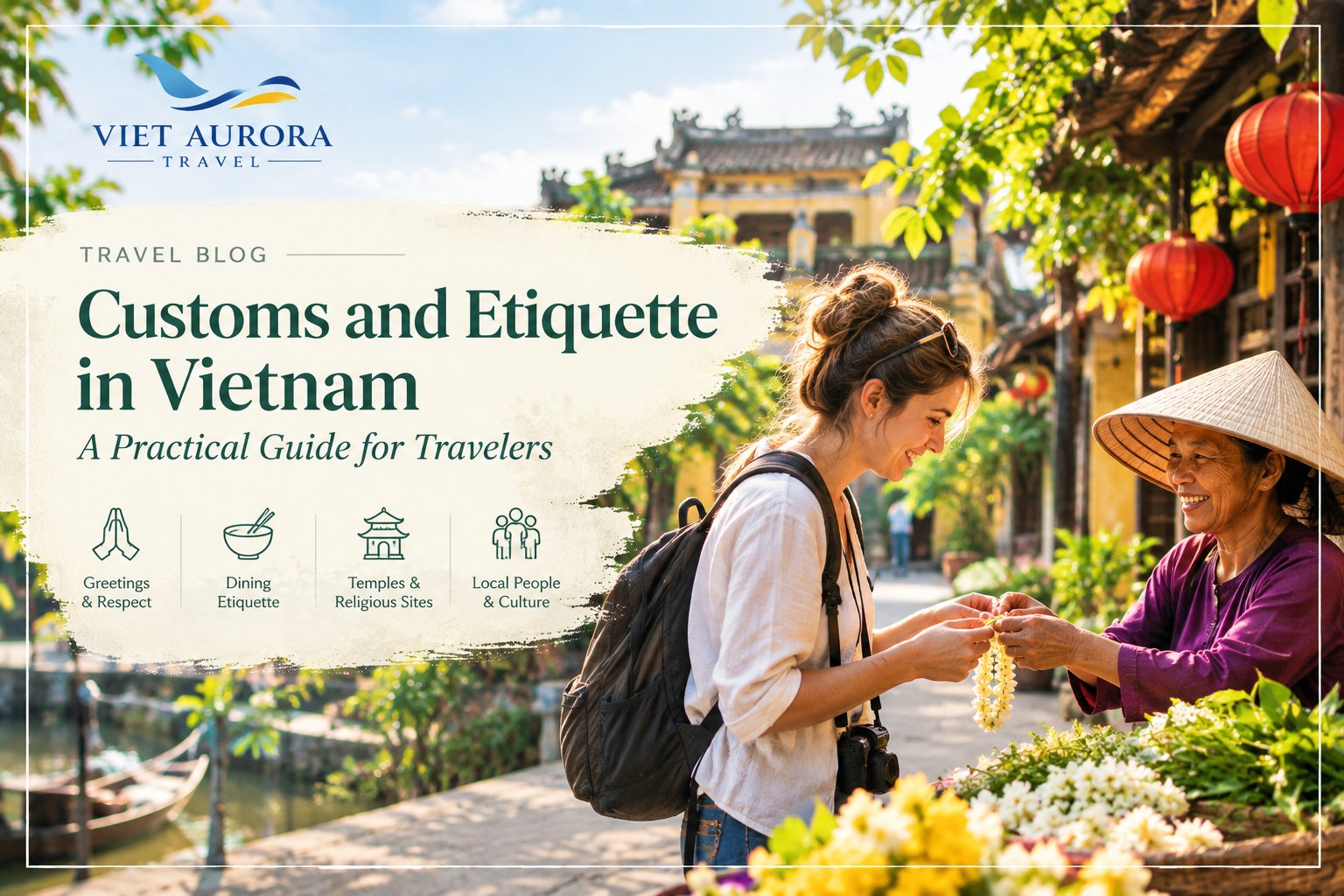
Customs and Etiquette in Vietnam: A Practical Guide for Travelers
Vietnamese people are famously warm and forgiving toward visitors, but a little cultural know-how goes a long way. This guide covers greetings, dining, temples, money, festivals and taboos, with the reasons behind each custom, so you can travel with confidence and connect more genuinely with the people you meet.
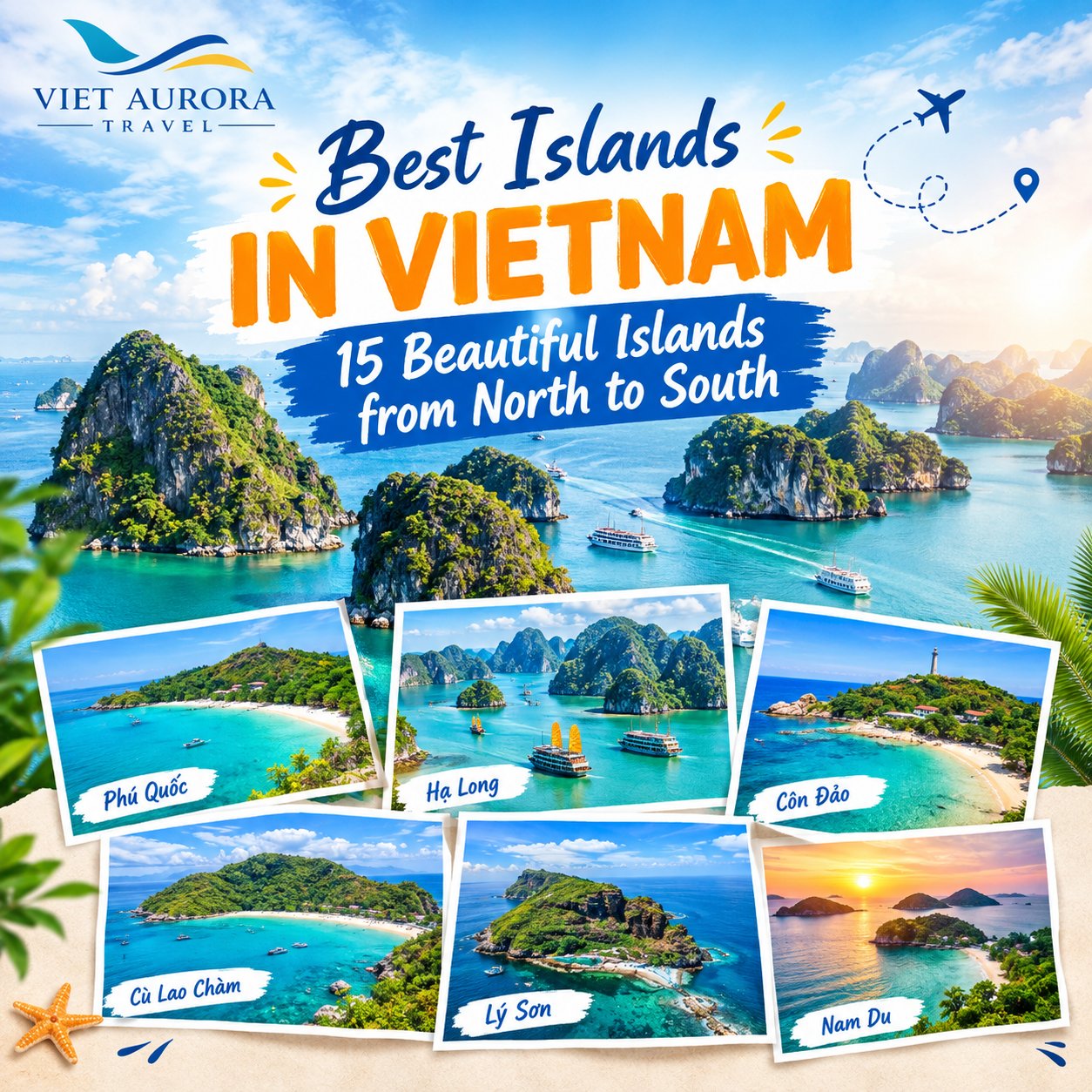
Best Islands in Vietnam: 15 Beautiful Islands from North to South
Vietnam's 3,000 km coastline is dotted with limestone islands, volcanic outposts, turtle-nesting archipelagos and quiet fishing communities. This guide helps you choose the right island for your trip, when to go, how to get there and how to add it to a wider journey through Vietnam.

Vietnam Vacations for Couples: Romantic Places, Itineraries & Tips
The best Vietnam vacations for couples are not the ones that tick off the most sights. They are the ones that leave room to slow down: a morning on a quiet bay, an evening under silk lanterns, a dinner with nowhere to rush to. This guide covers the most romantic places in Vietnam, itineraries from 5 to 14 days, the best months to go, where to stay and what it costs, so you can plan a trip that suits the two of you. Explore more of Vietnam with Viet Aurora Trave

Best Places to Visit in Vietnam: 15 Must-See Destinations by Region
Stretching over 3,000 km from the northern mountains to the southern Mekong Delta, Vietnam packs a surprising range of experiences into one trip. This guide to the best places to visit in Vietnam covers 15 top destinations across the north, center and south, with the best time to go, how long to stay, and how to combine them into an itinerary that fits your time and style. Whether it is your first visit or your fifth, you will find a clear way to decide where to go. Explore more with Viet Aurora Travel.

Vietnam Family Vacation: A 12-Day Itinerary with Culture, Beaches and Fun for Kids
Plan a 12-day Vietnam family vacation with kids: Ninh Binh, Halong Bay, Hoi An, Phu Quoc and the Mekong, with free days, child pricing and a private tour.
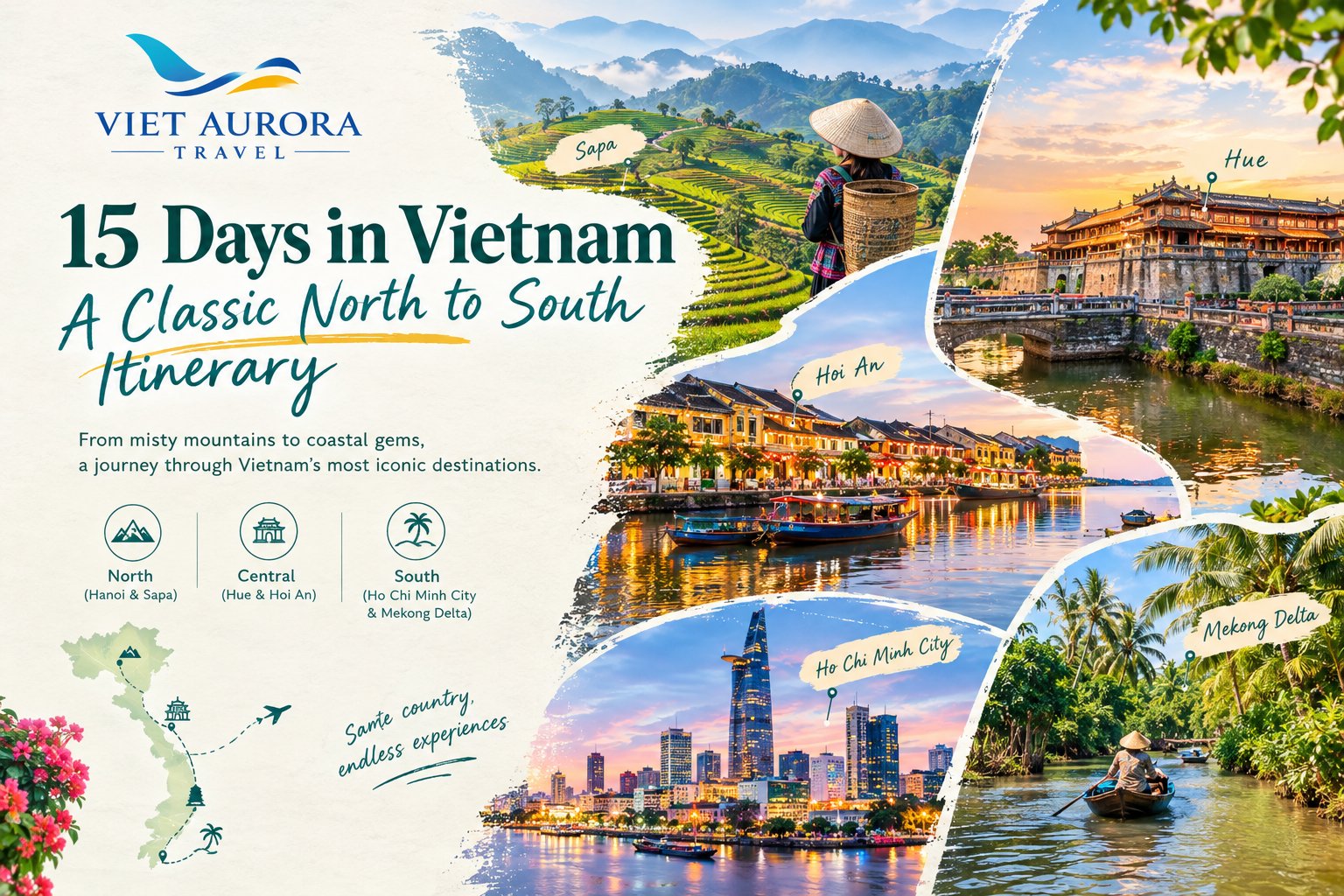
15 Days in Vietnam: A Classic North-to-South Itinerary for First-Timers
Plan 15 days in Vietnam from Hanoi to Ho Chi Minh City: Mai Chau, Halong Bay, Hoi An, Hue and the Mekong, with day-by-day tips for first-timers.


